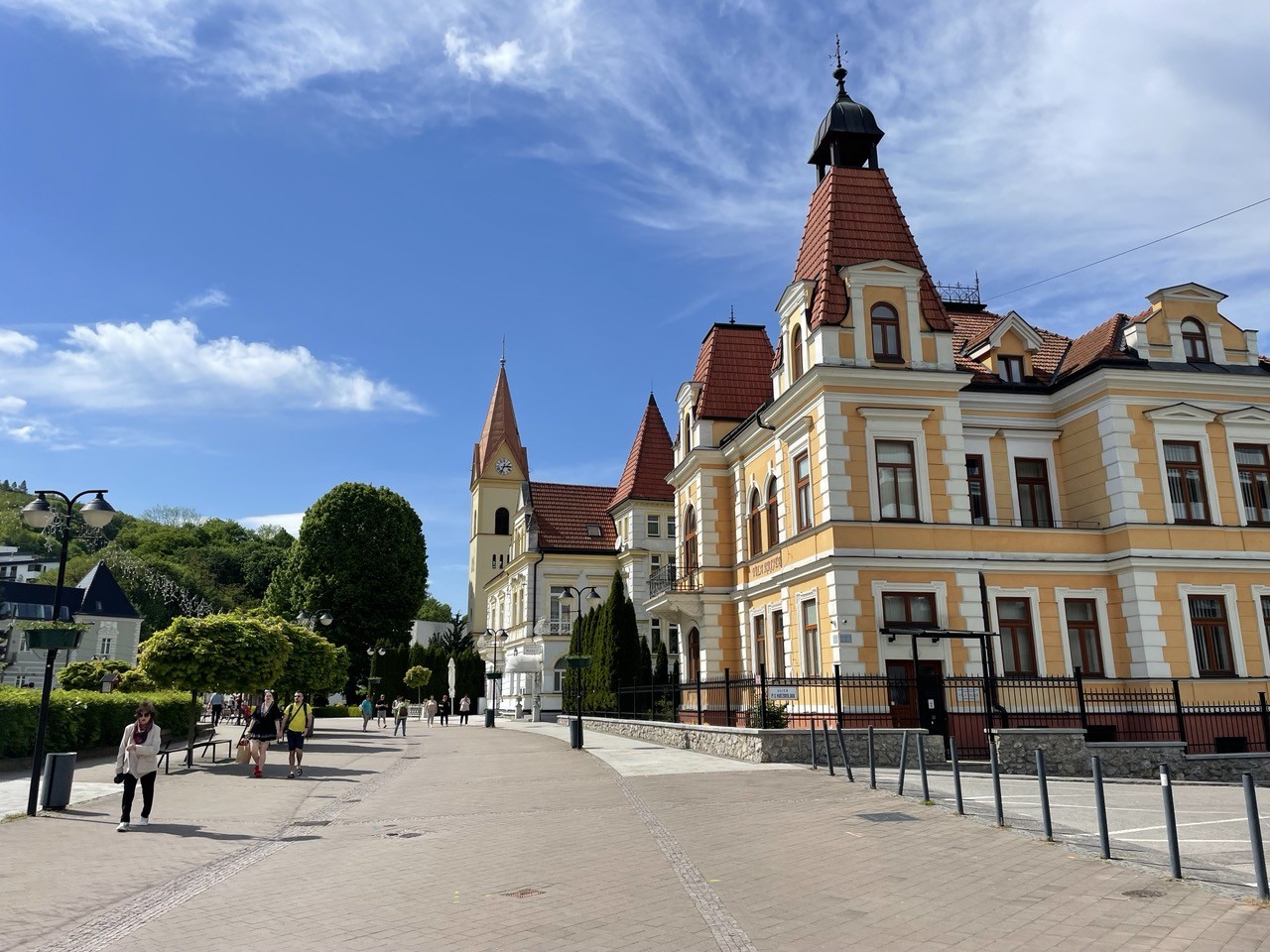
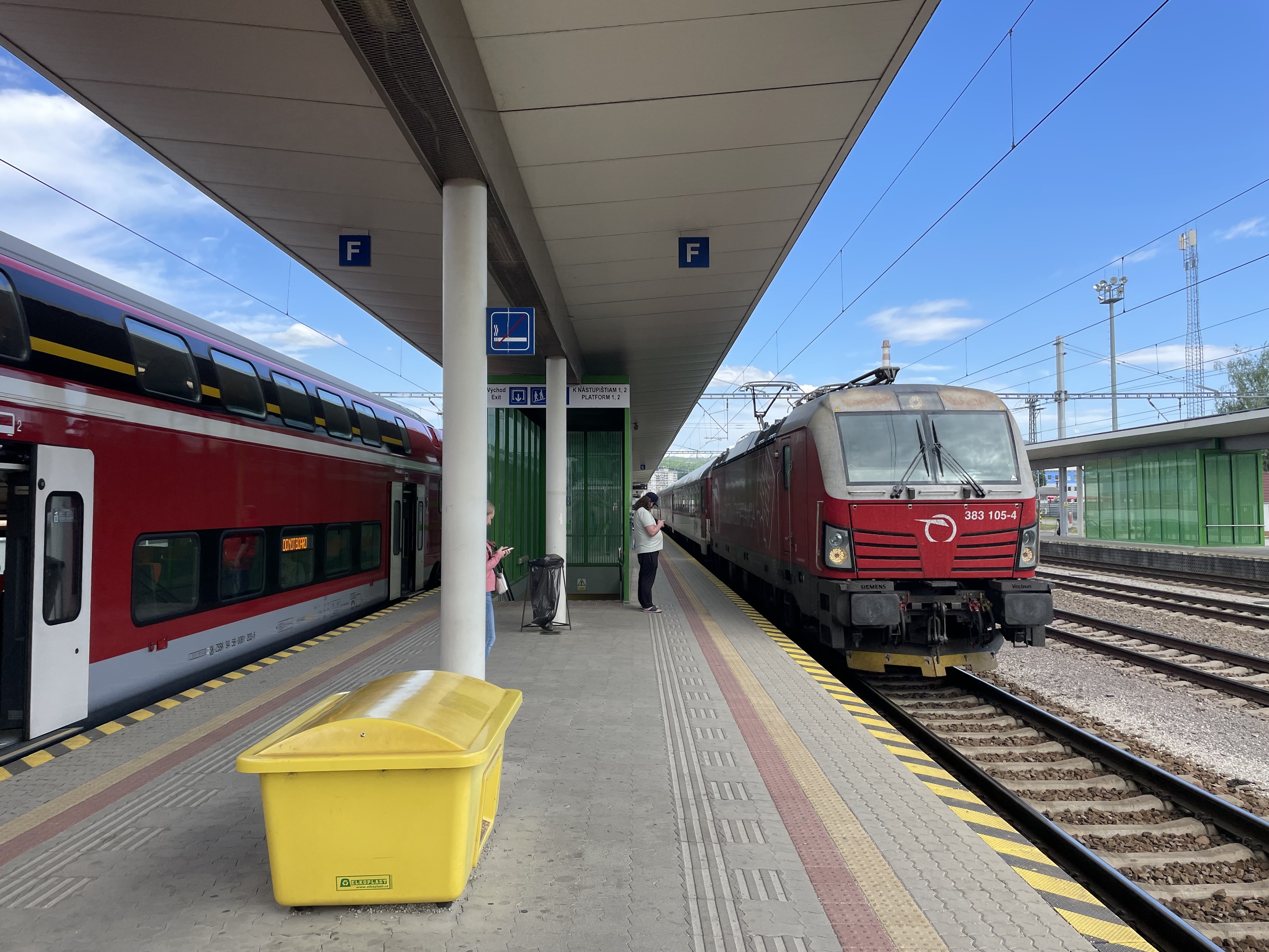
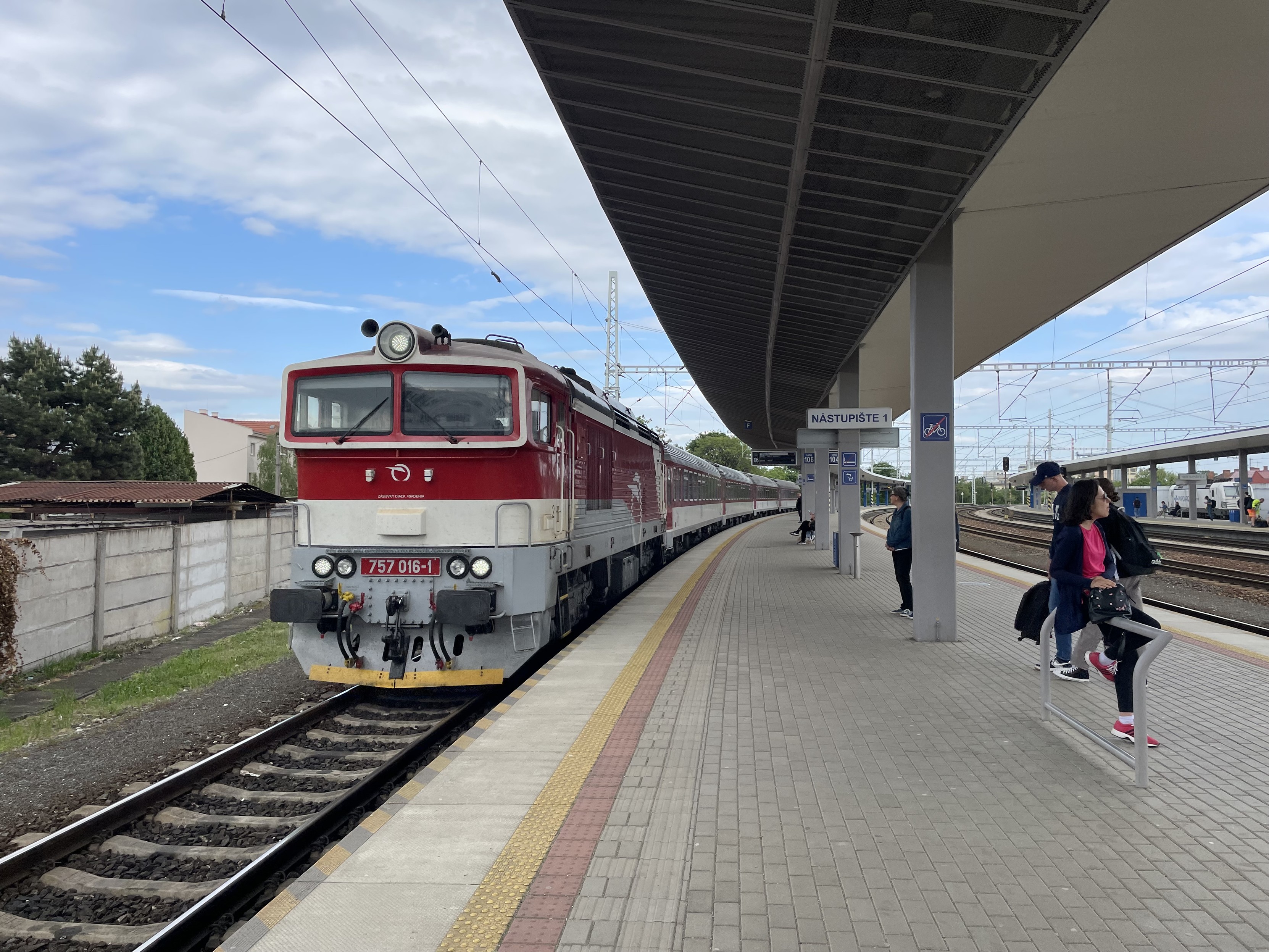
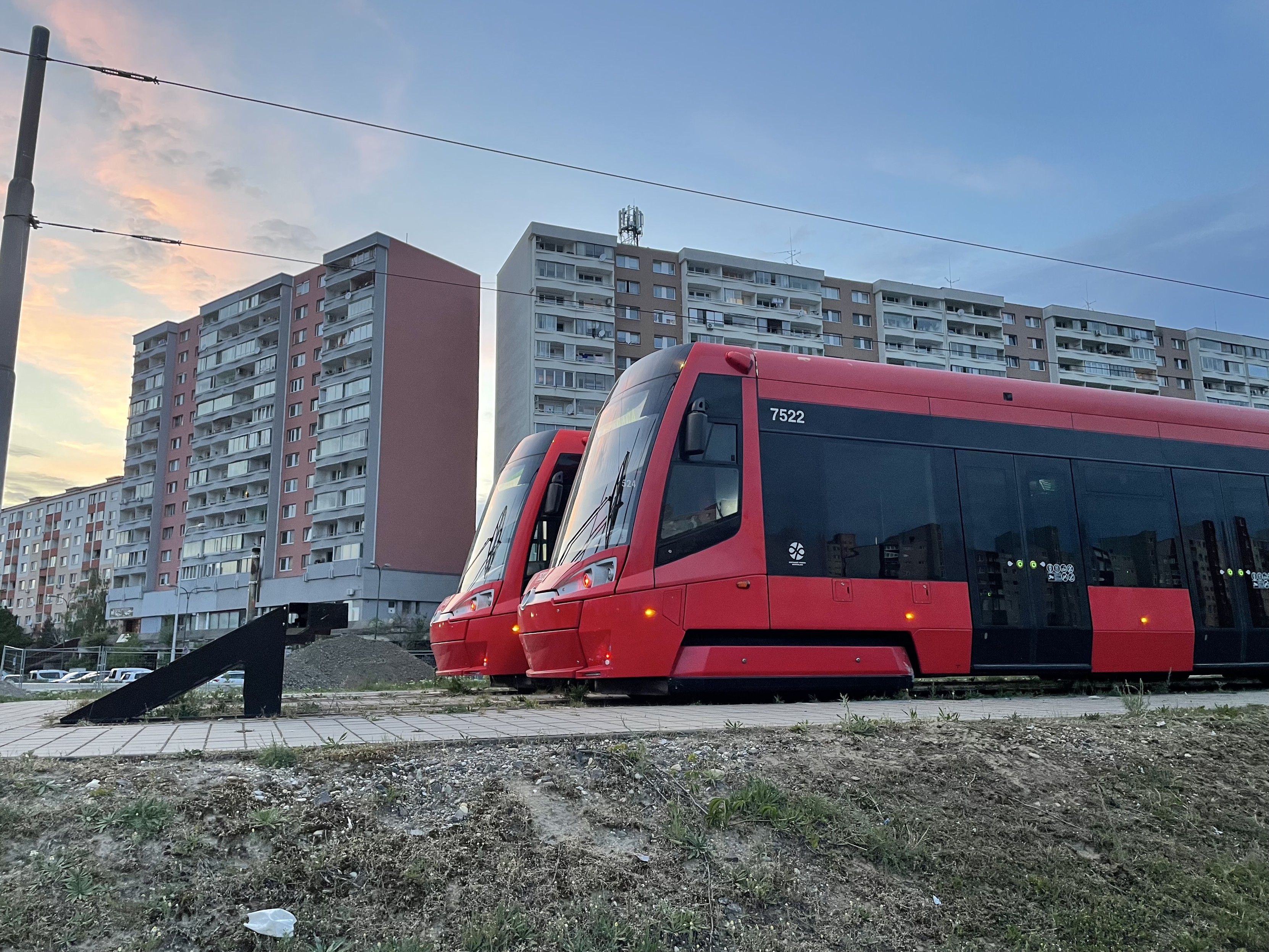
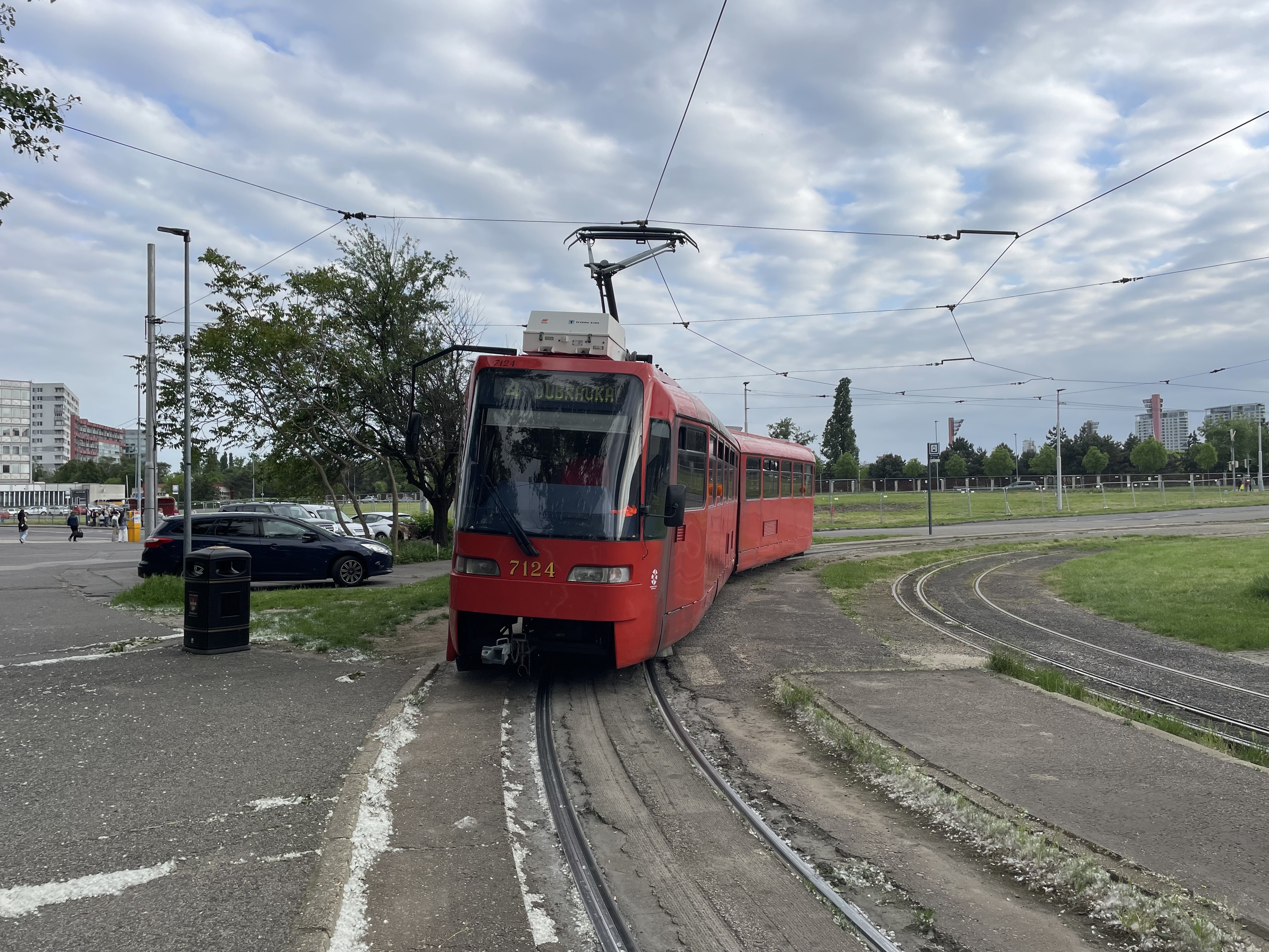
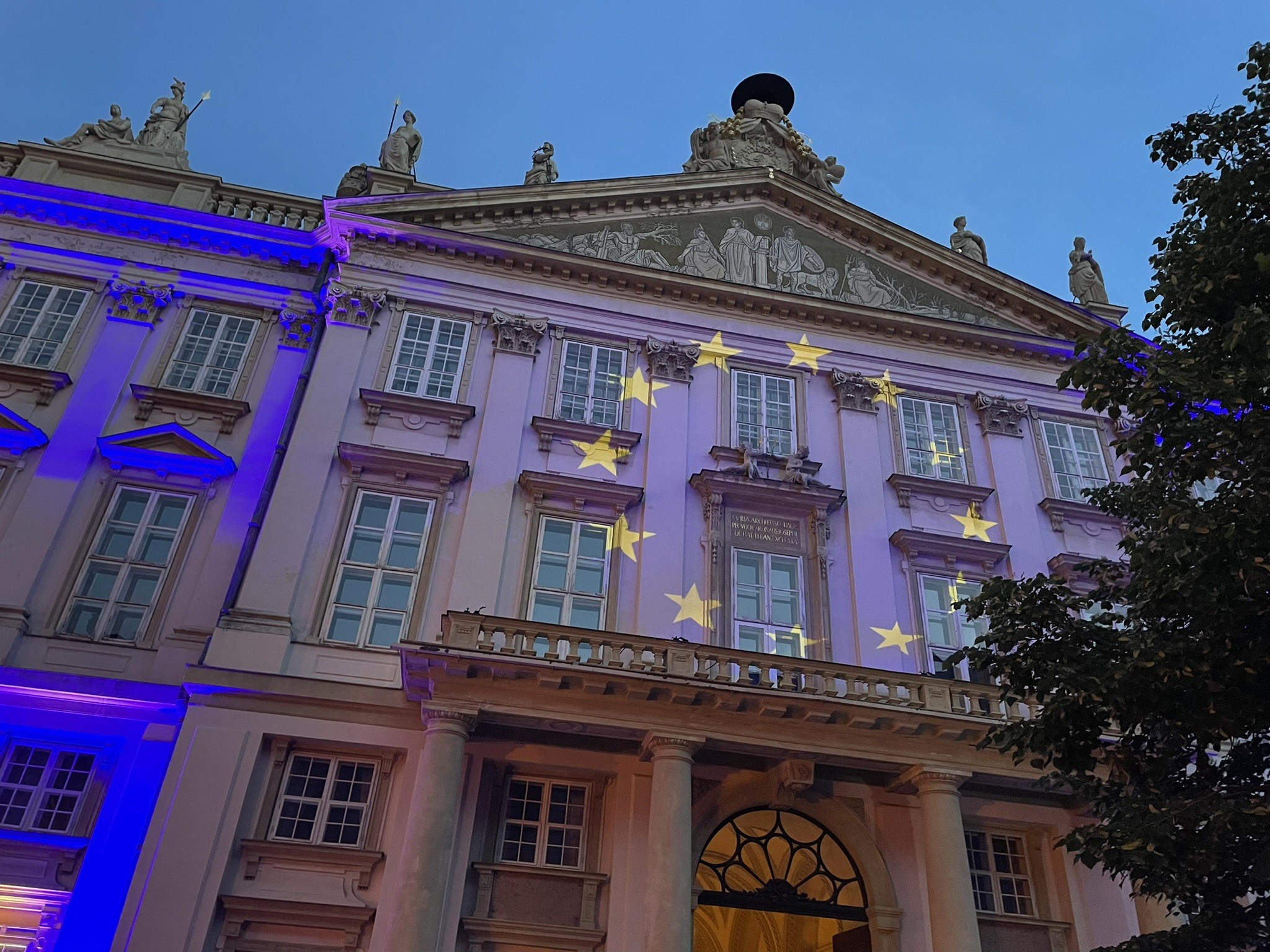
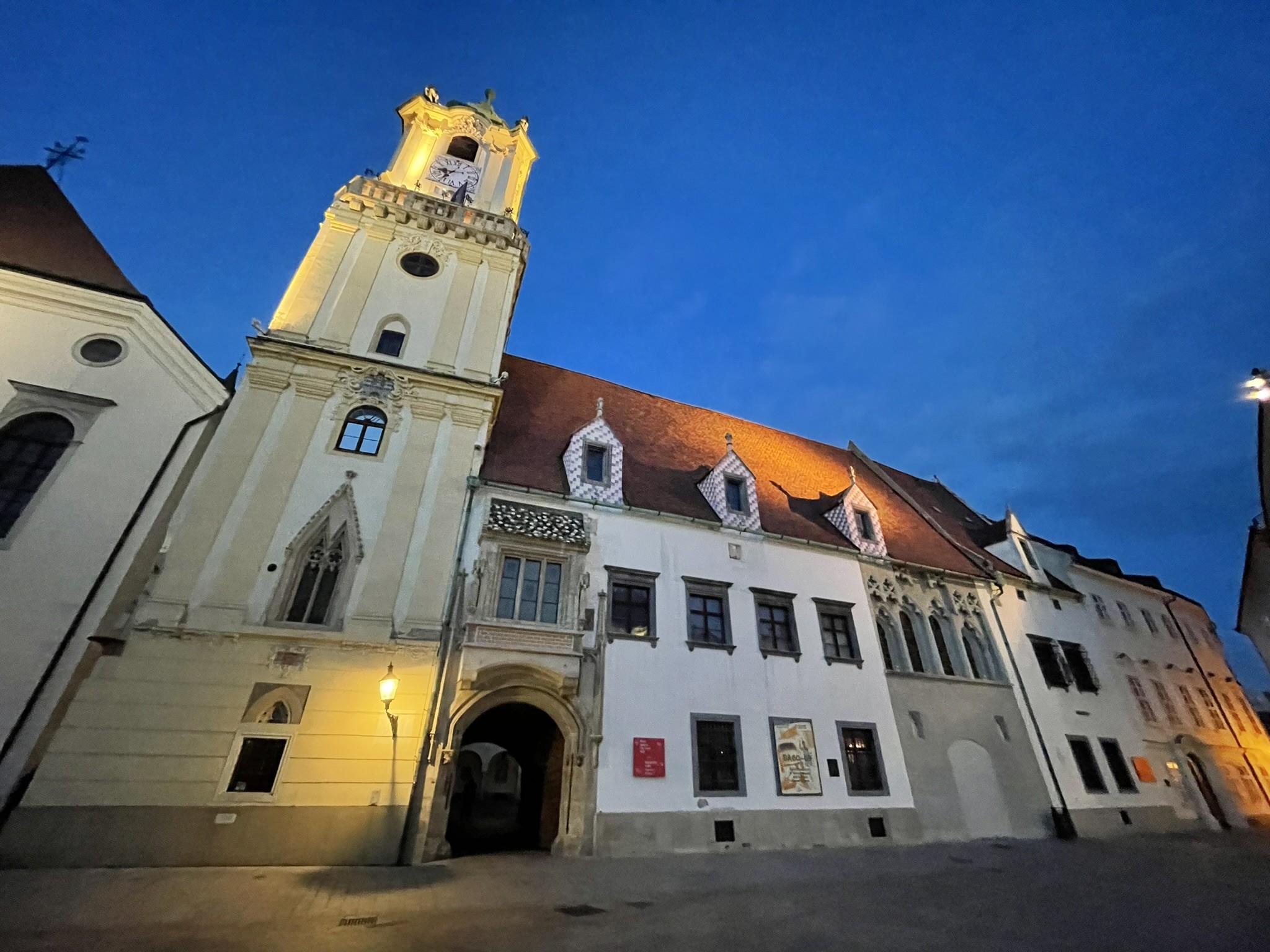
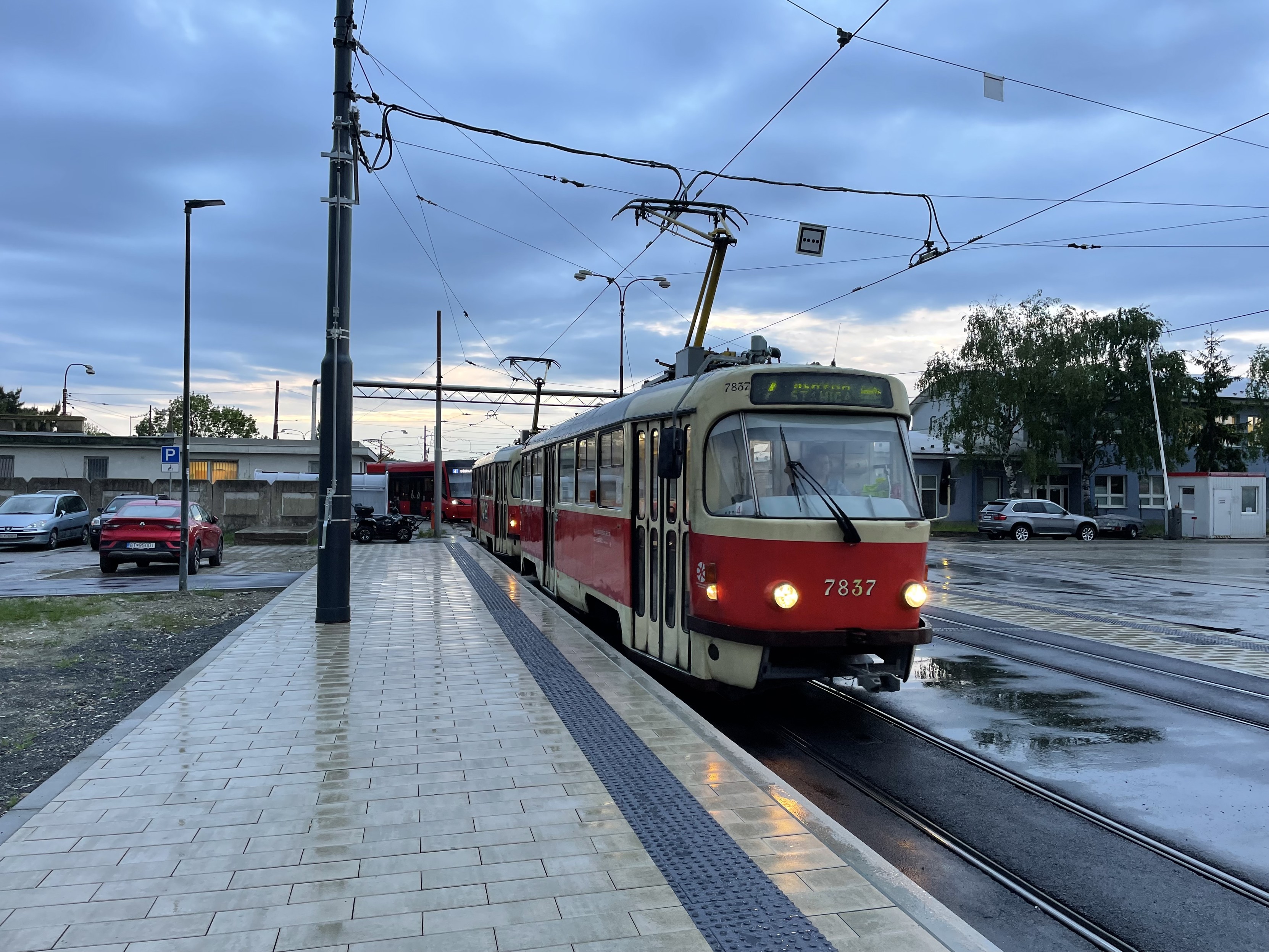
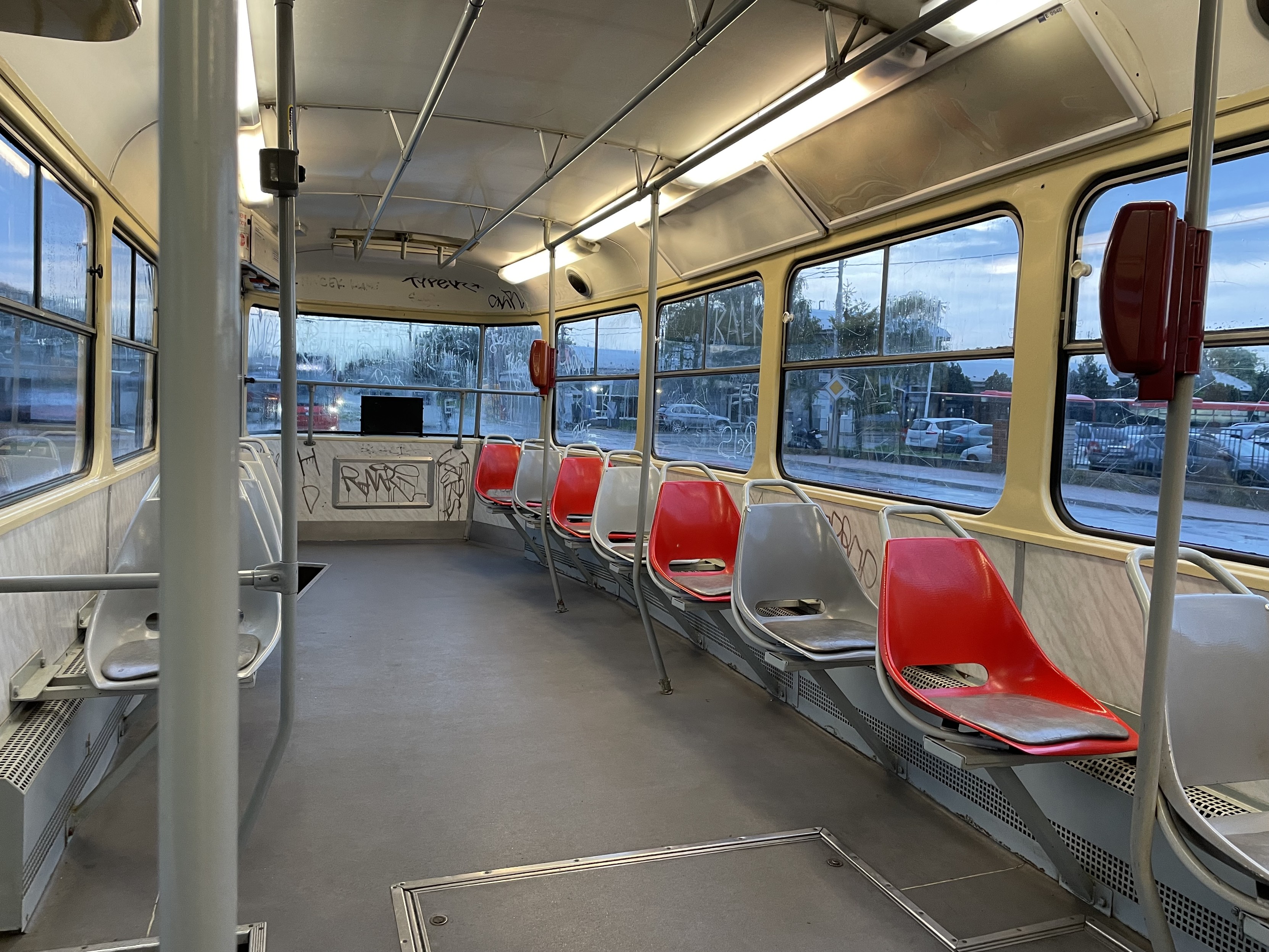
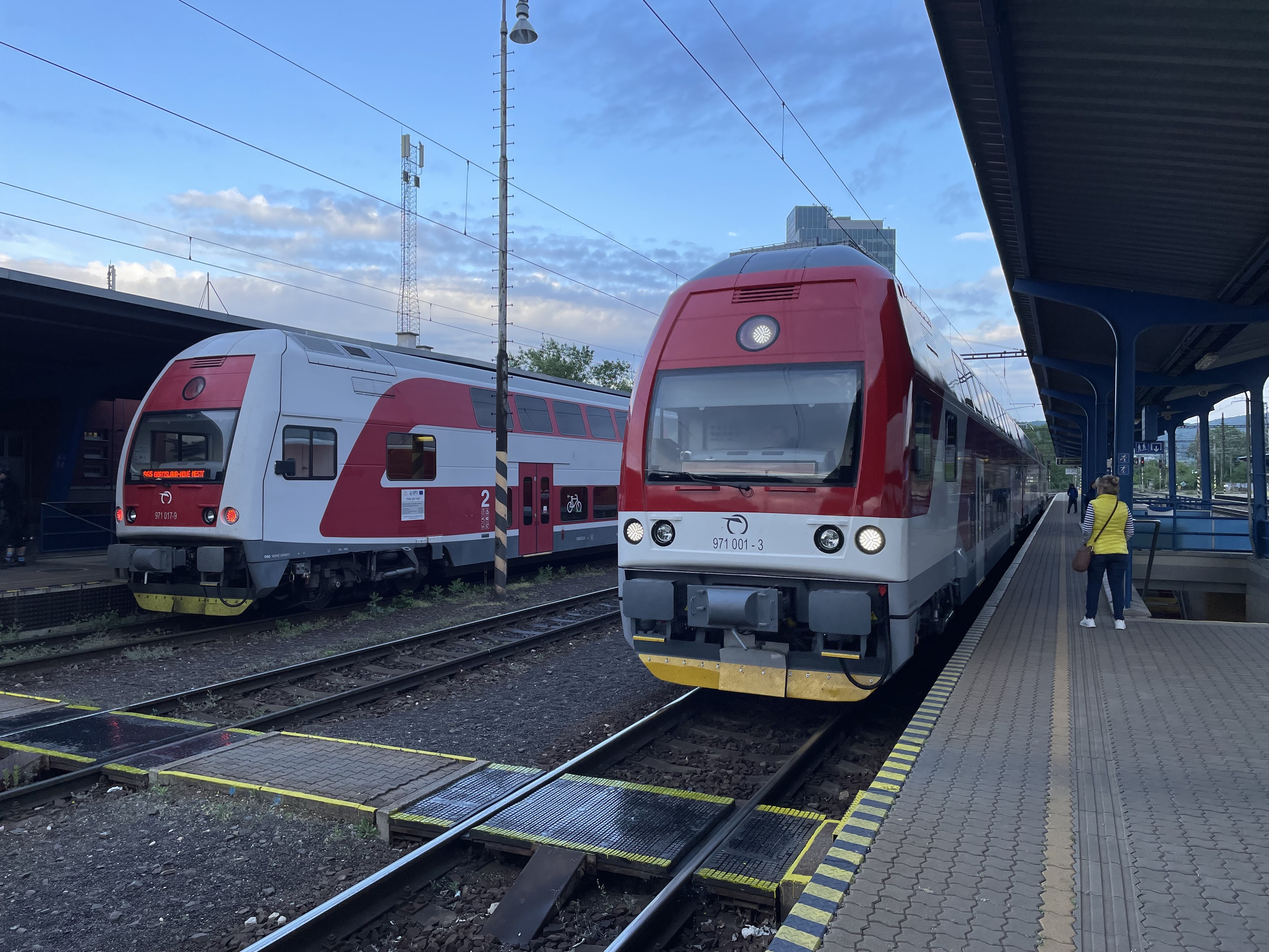
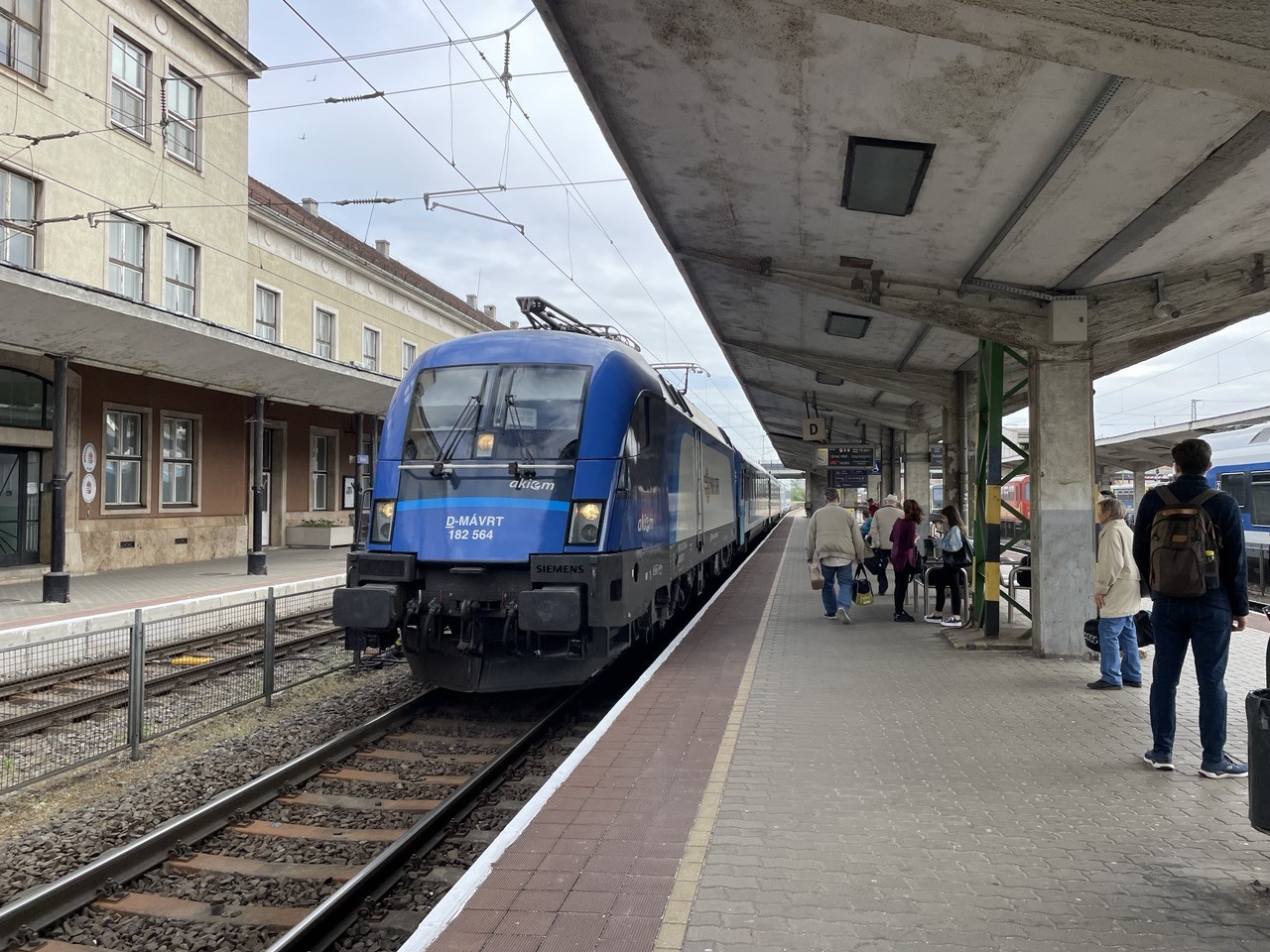
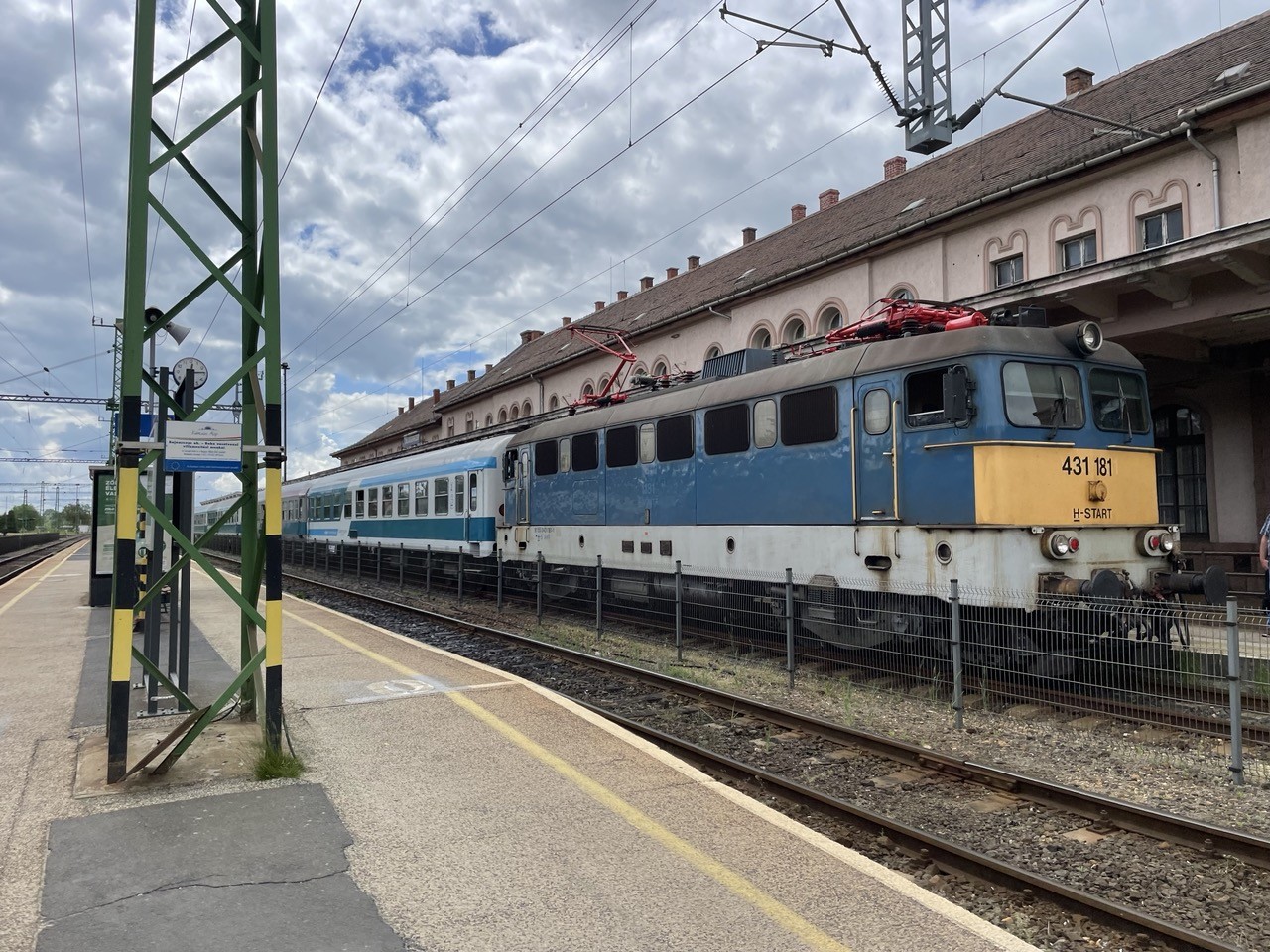
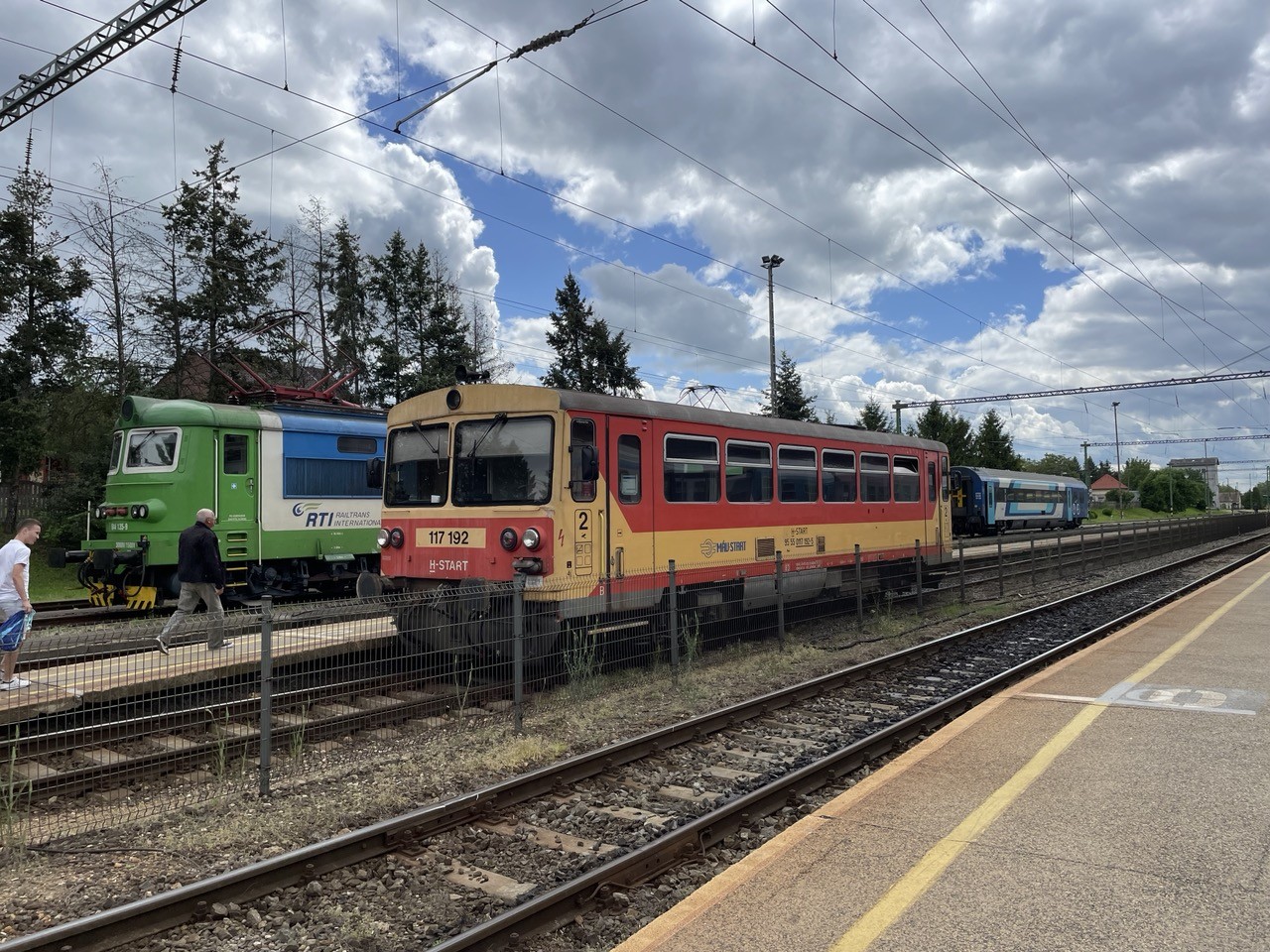
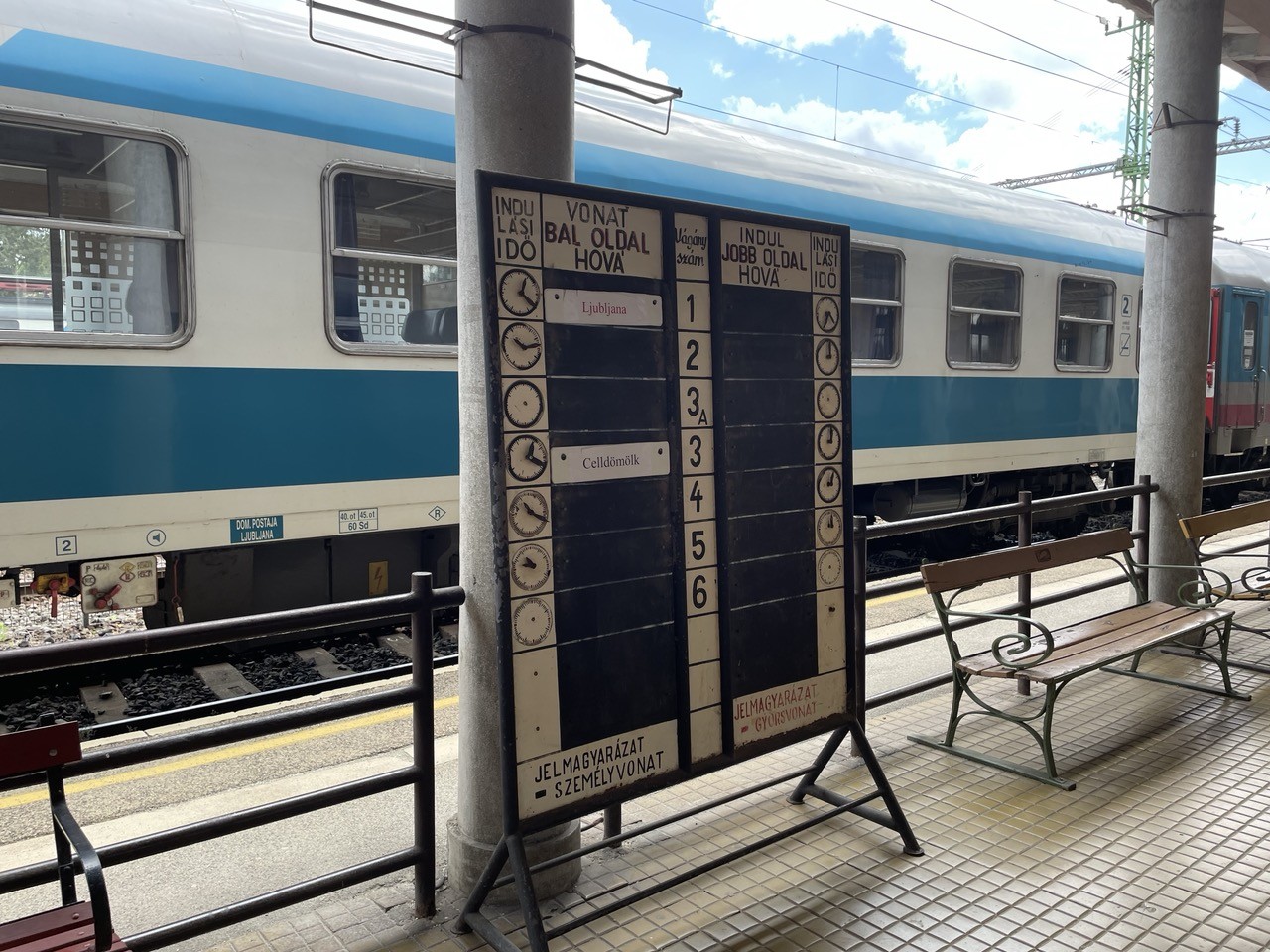
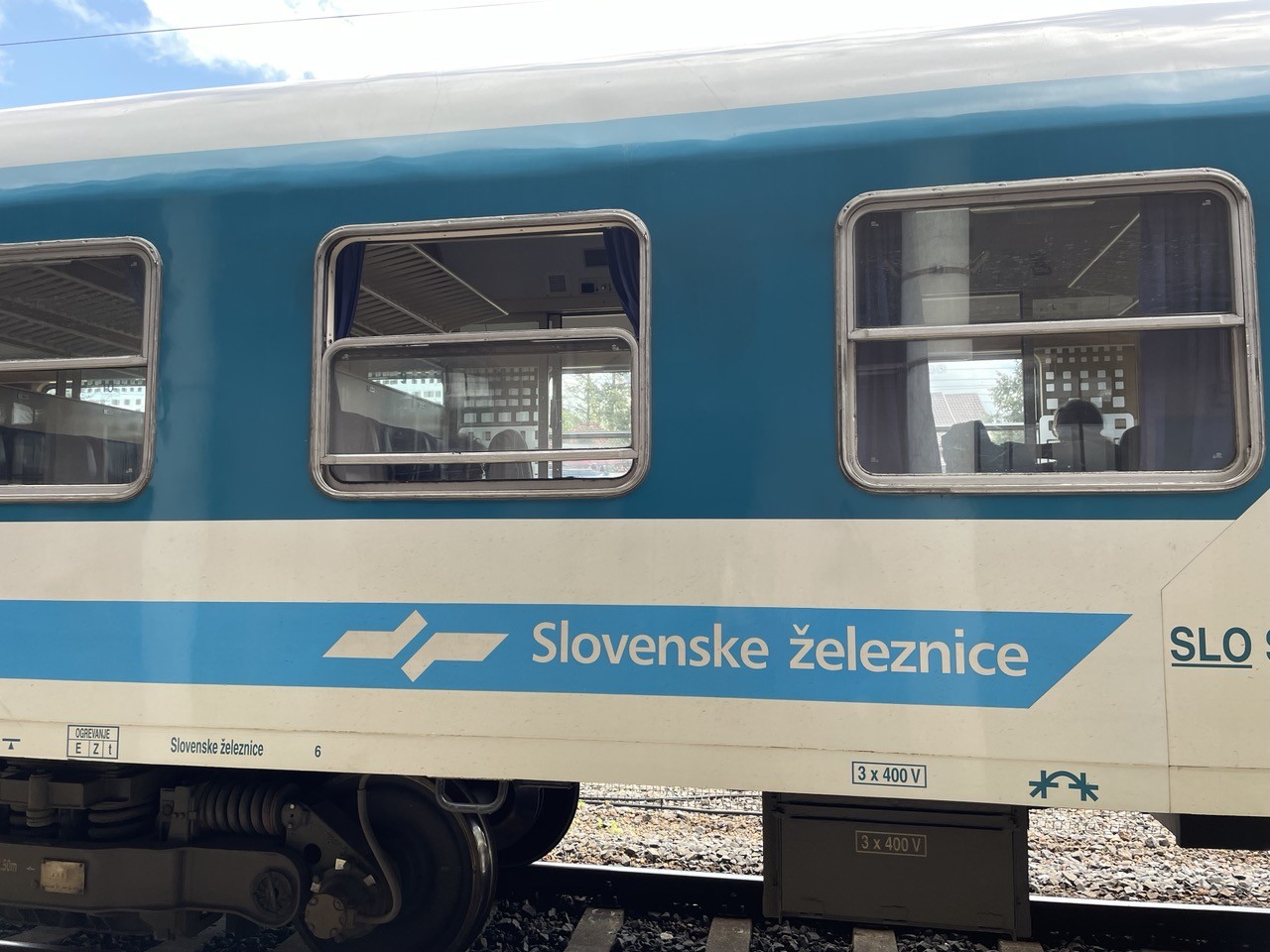
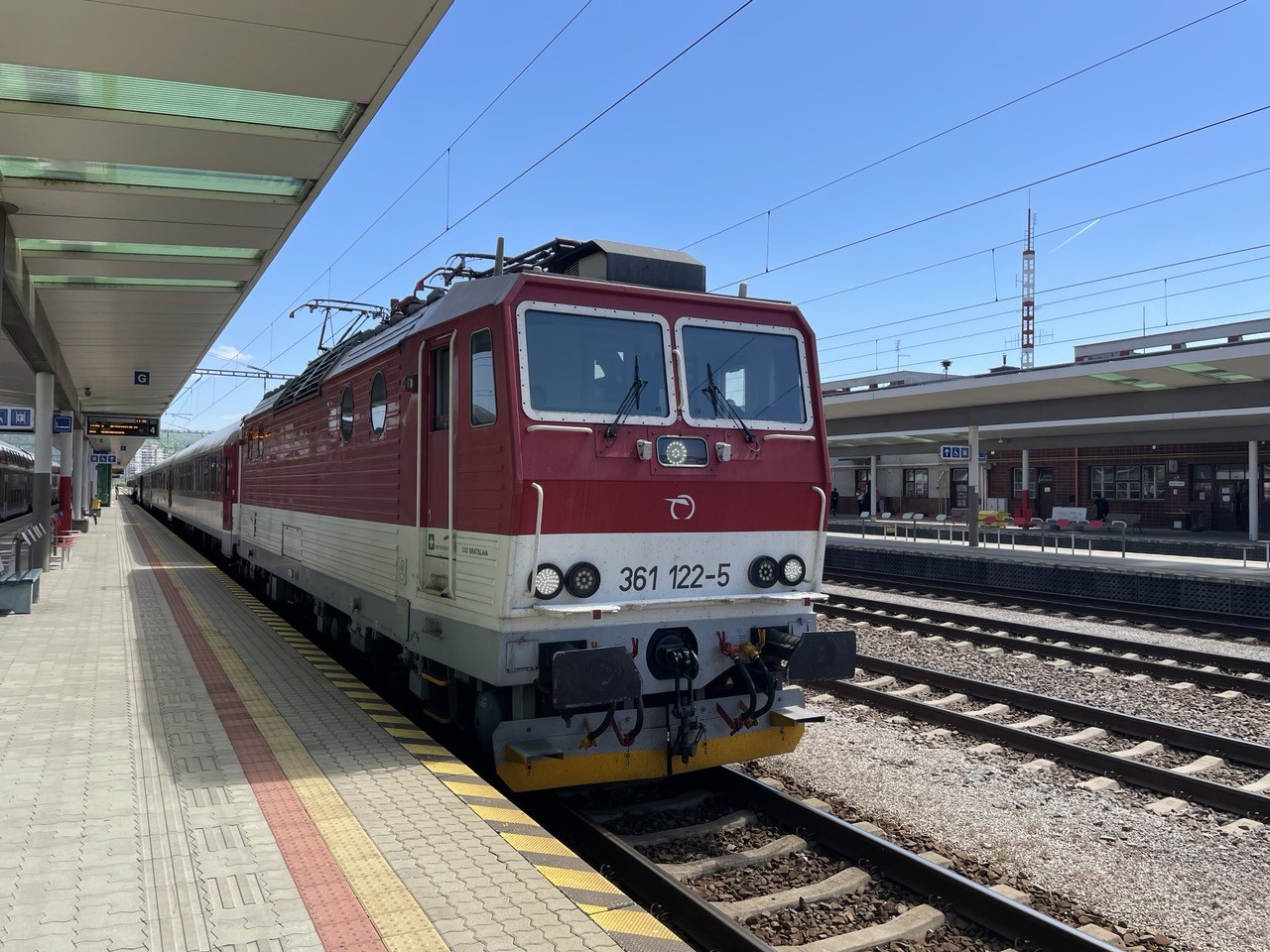
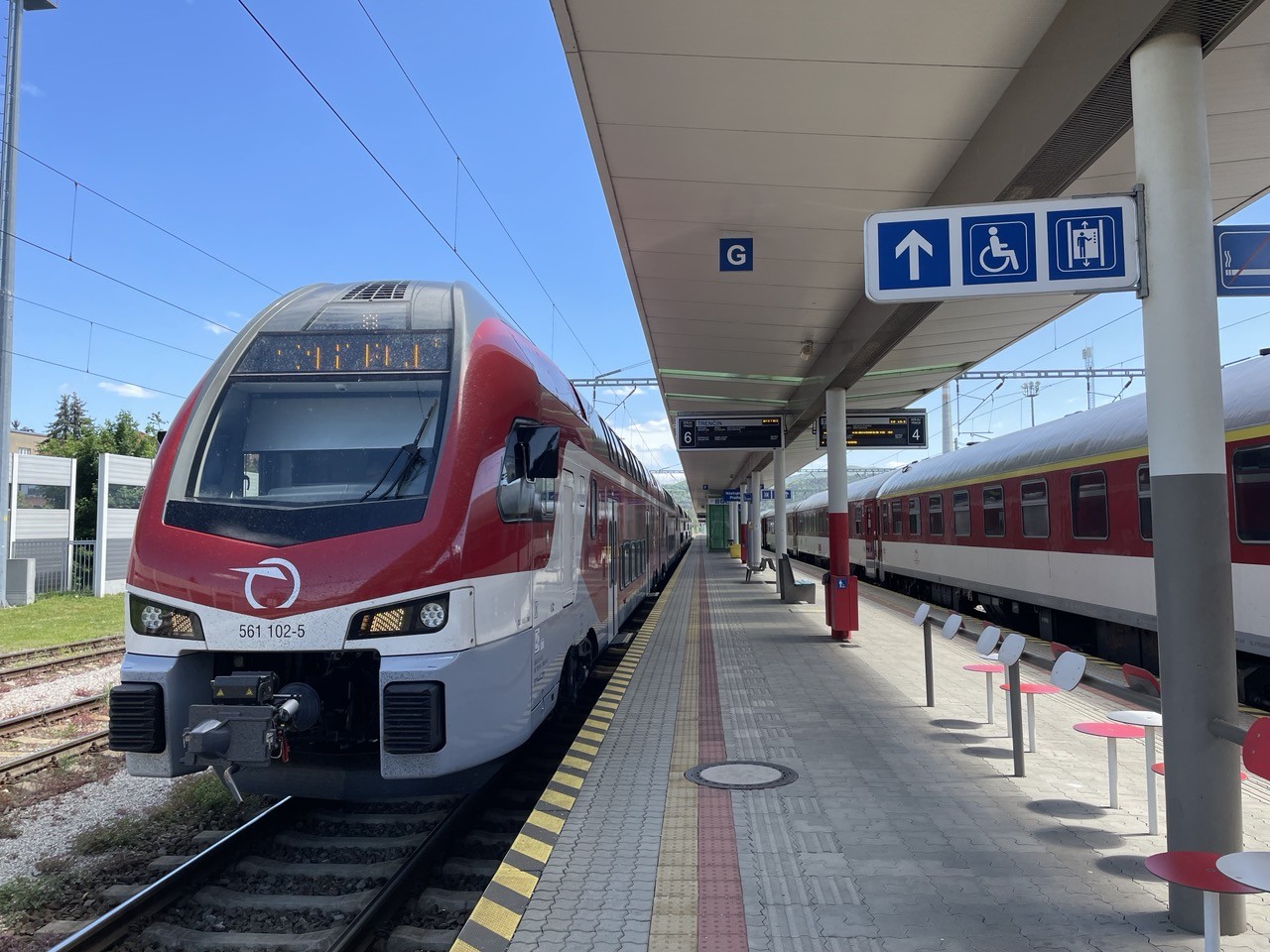
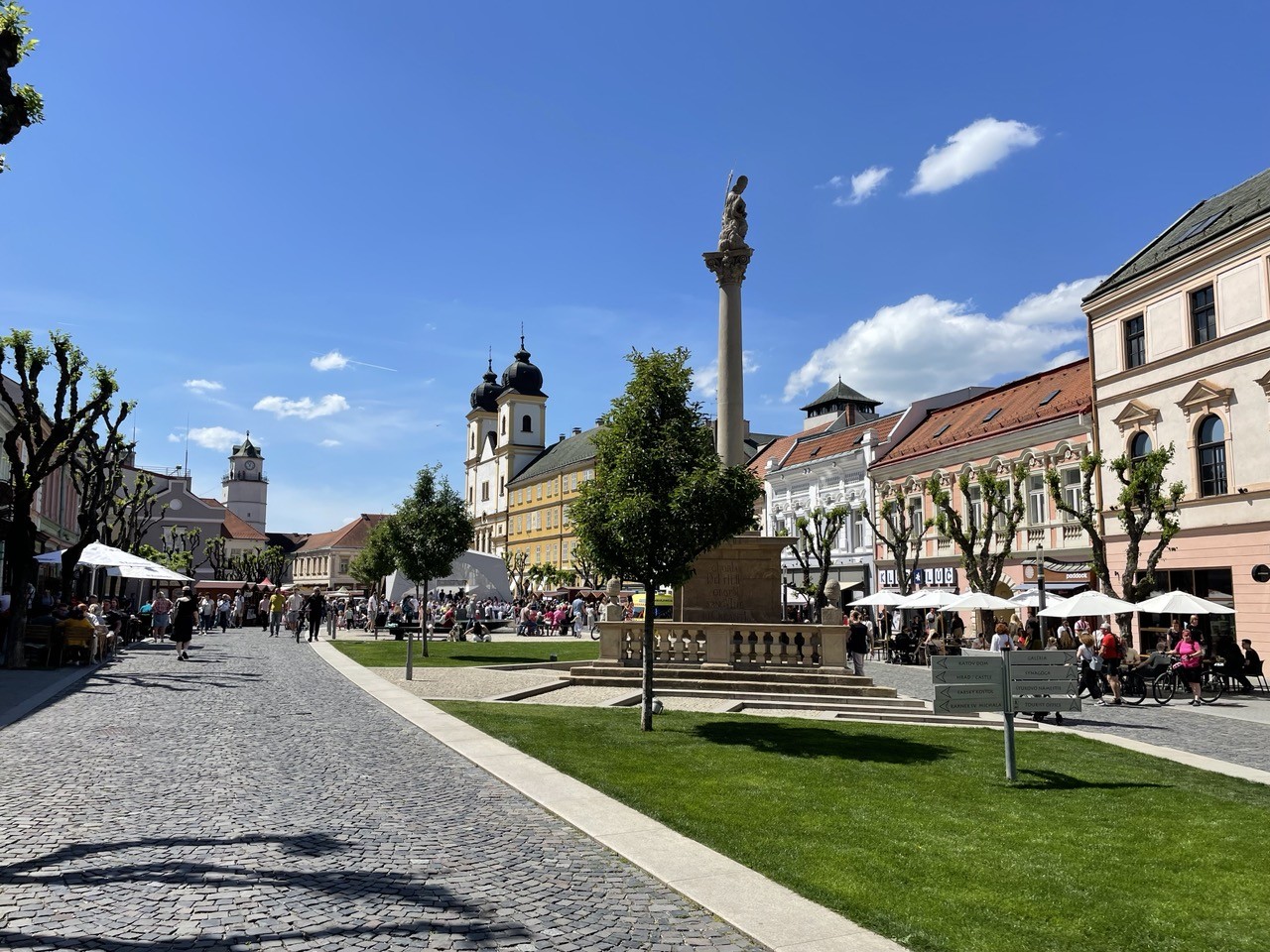
We’re changing to a 361-hauled Rychlík to Trenčin, a pretty town and future European Capital of Culture. The KISS is waiting for its next job, a REX service to Bratislava.
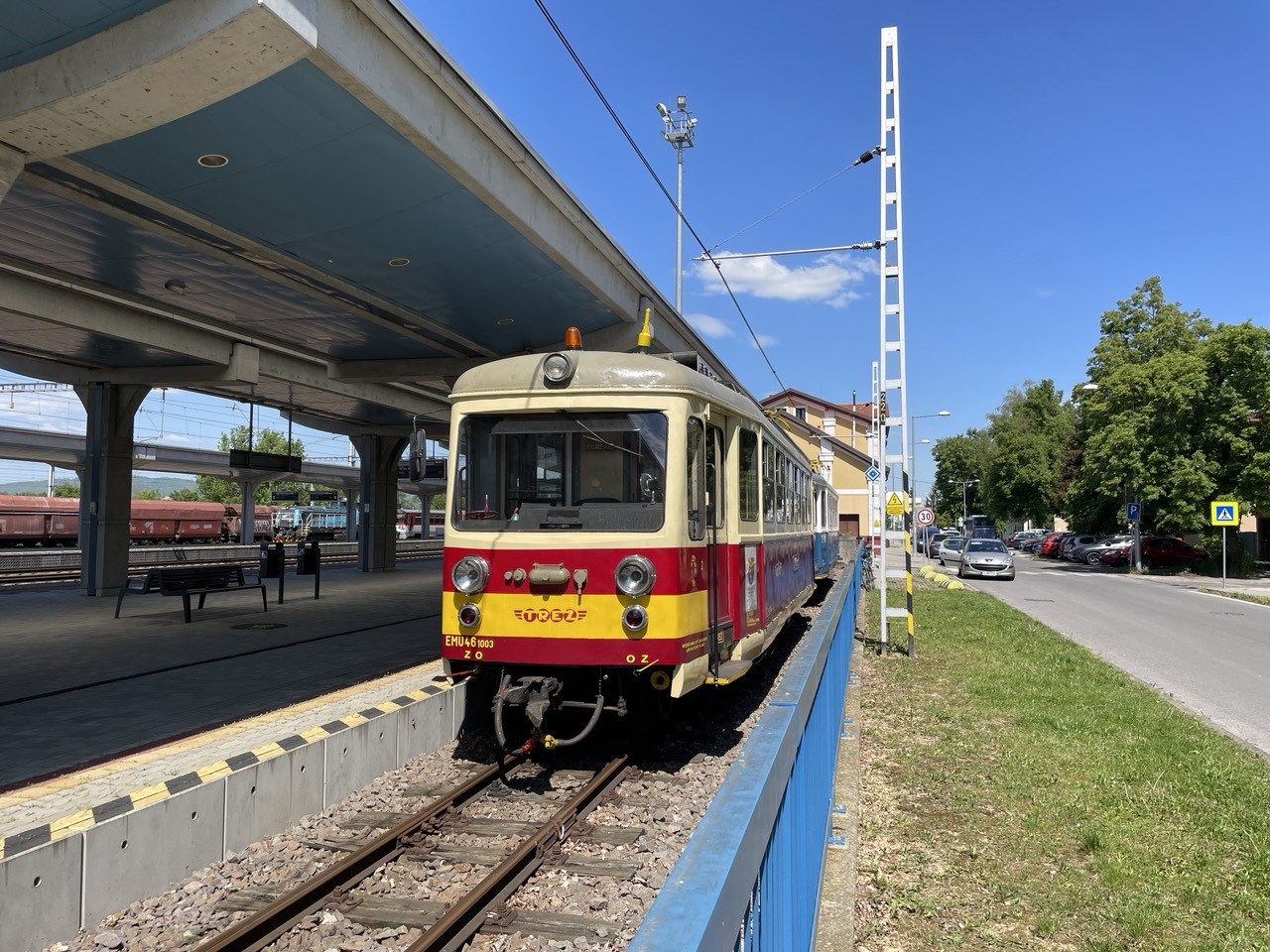
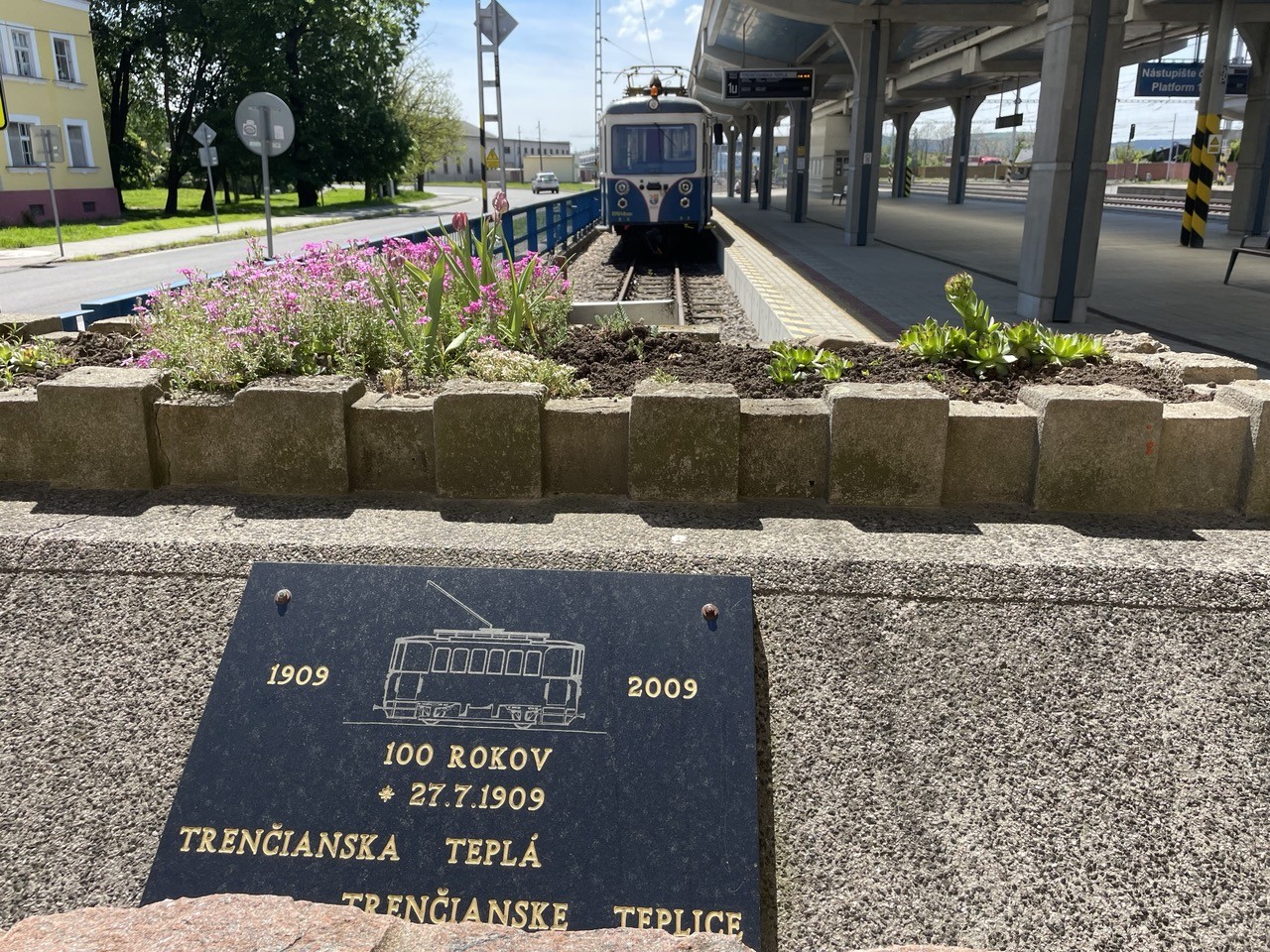
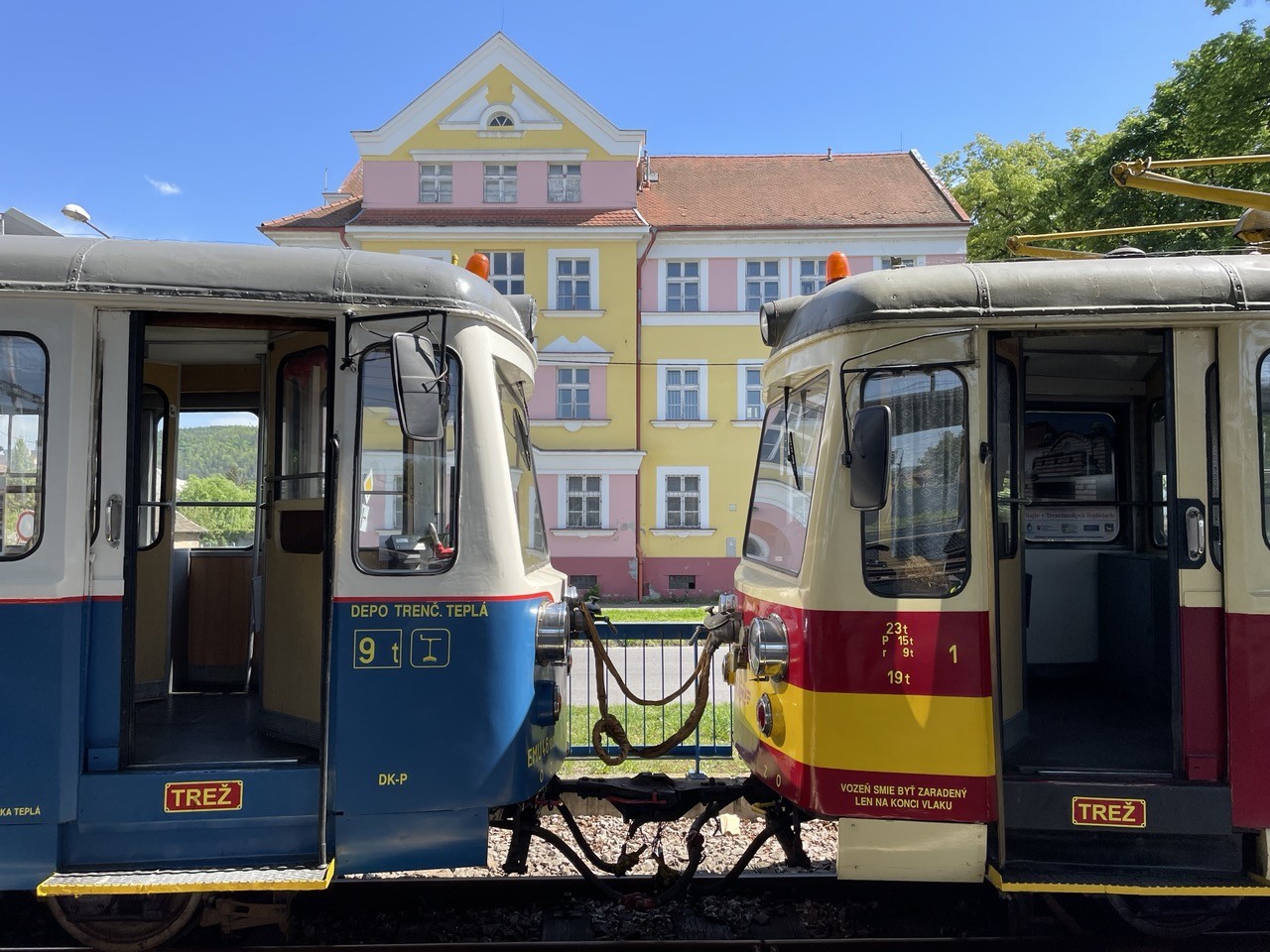
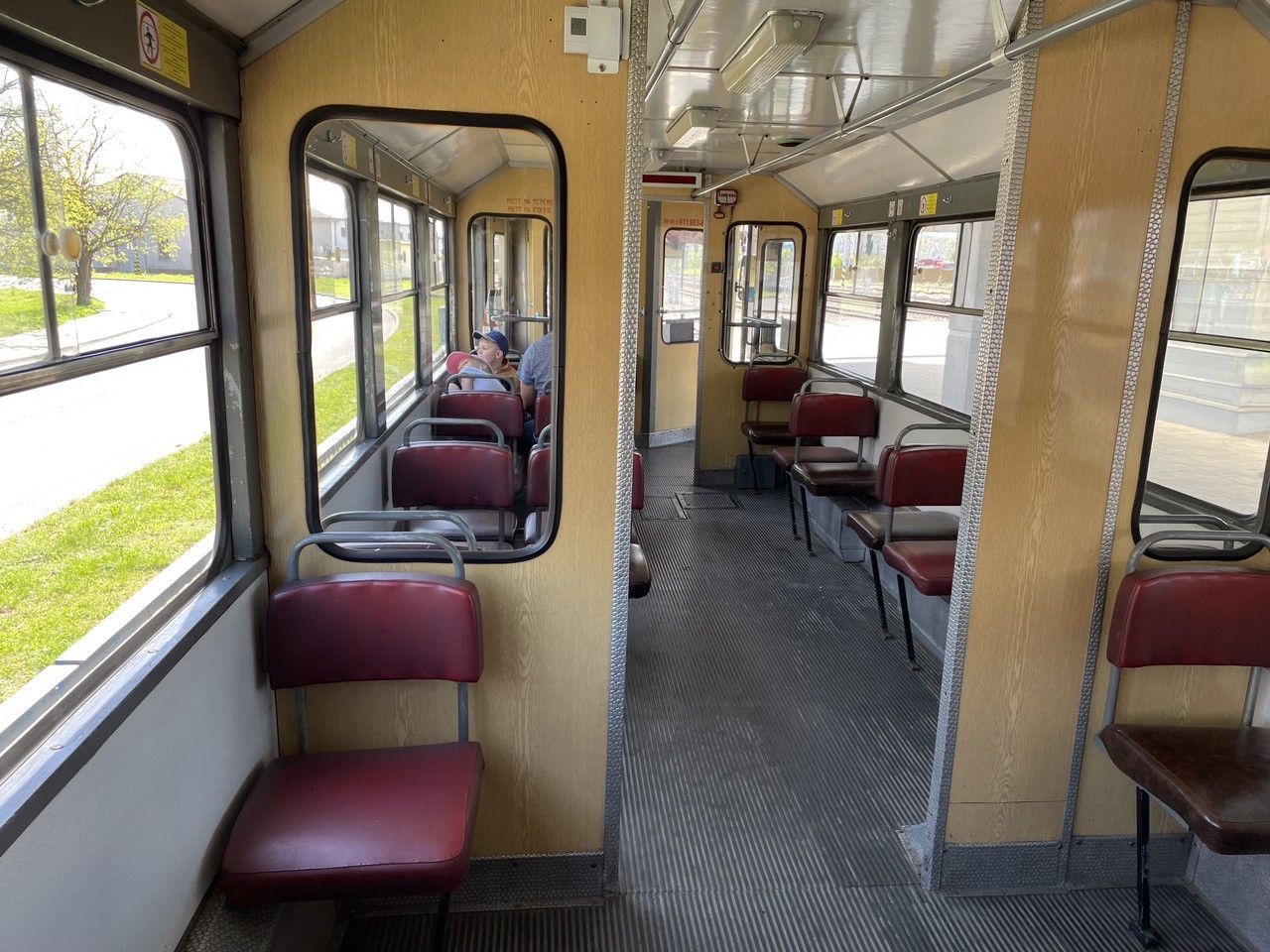
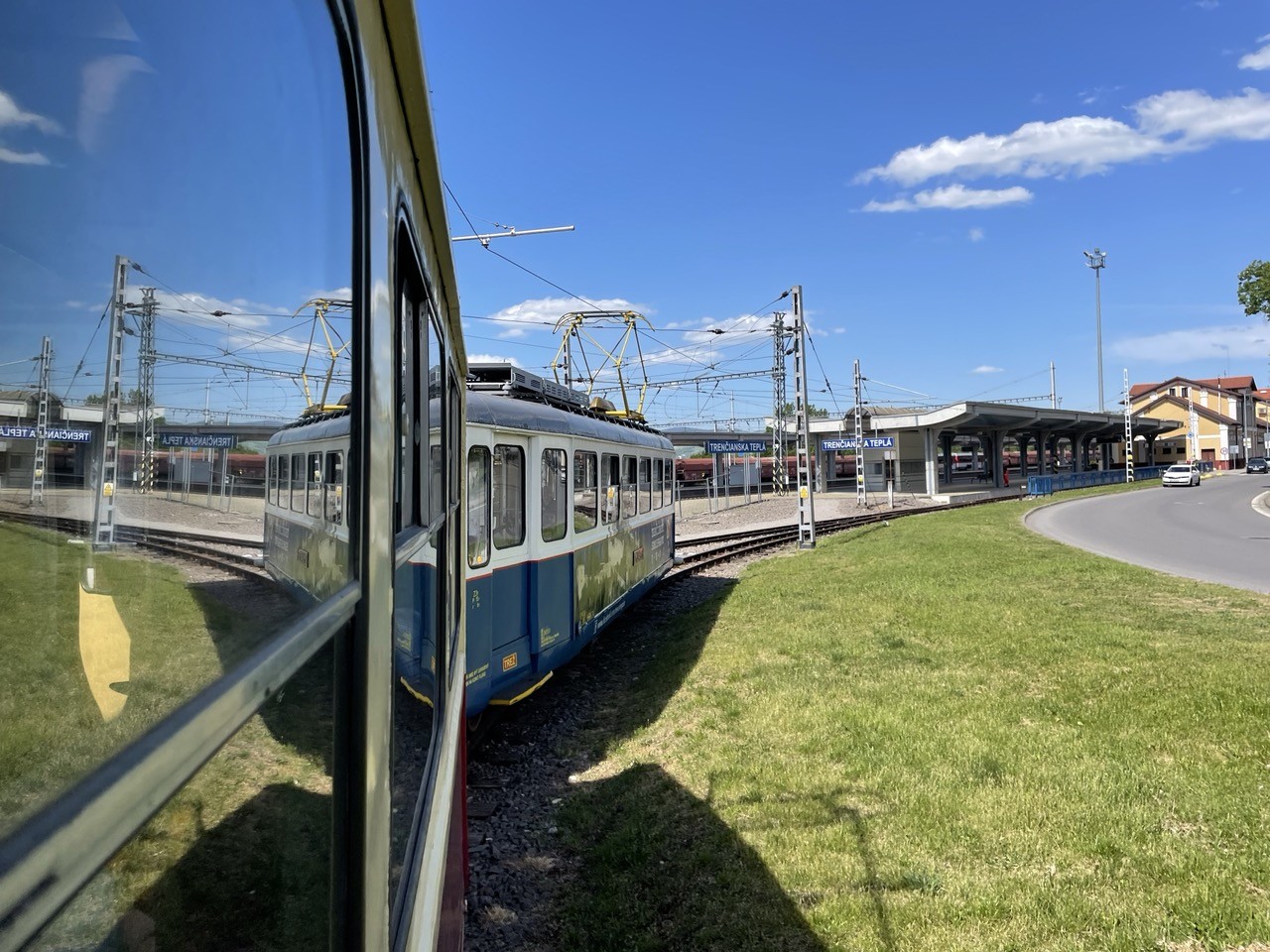
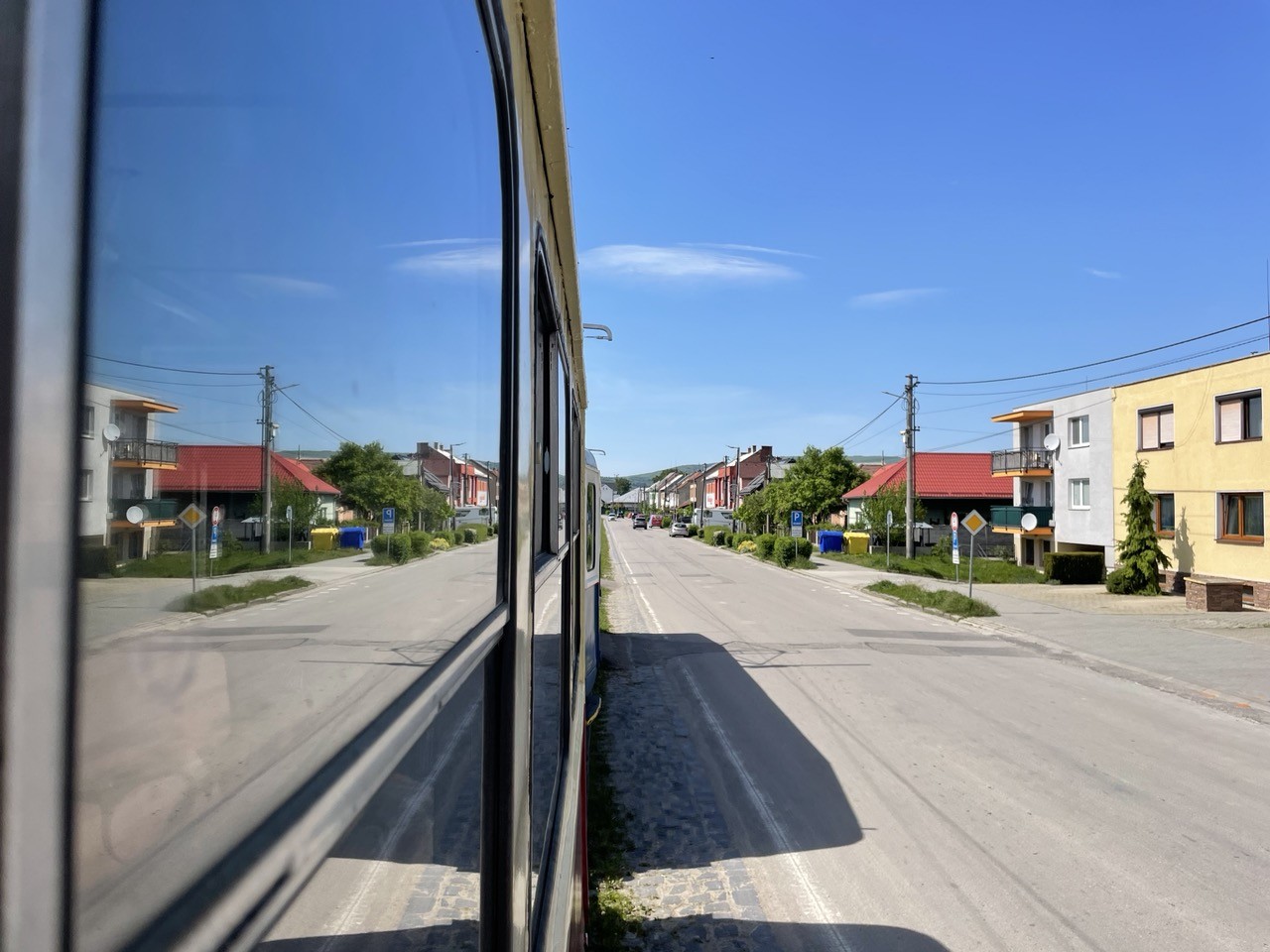
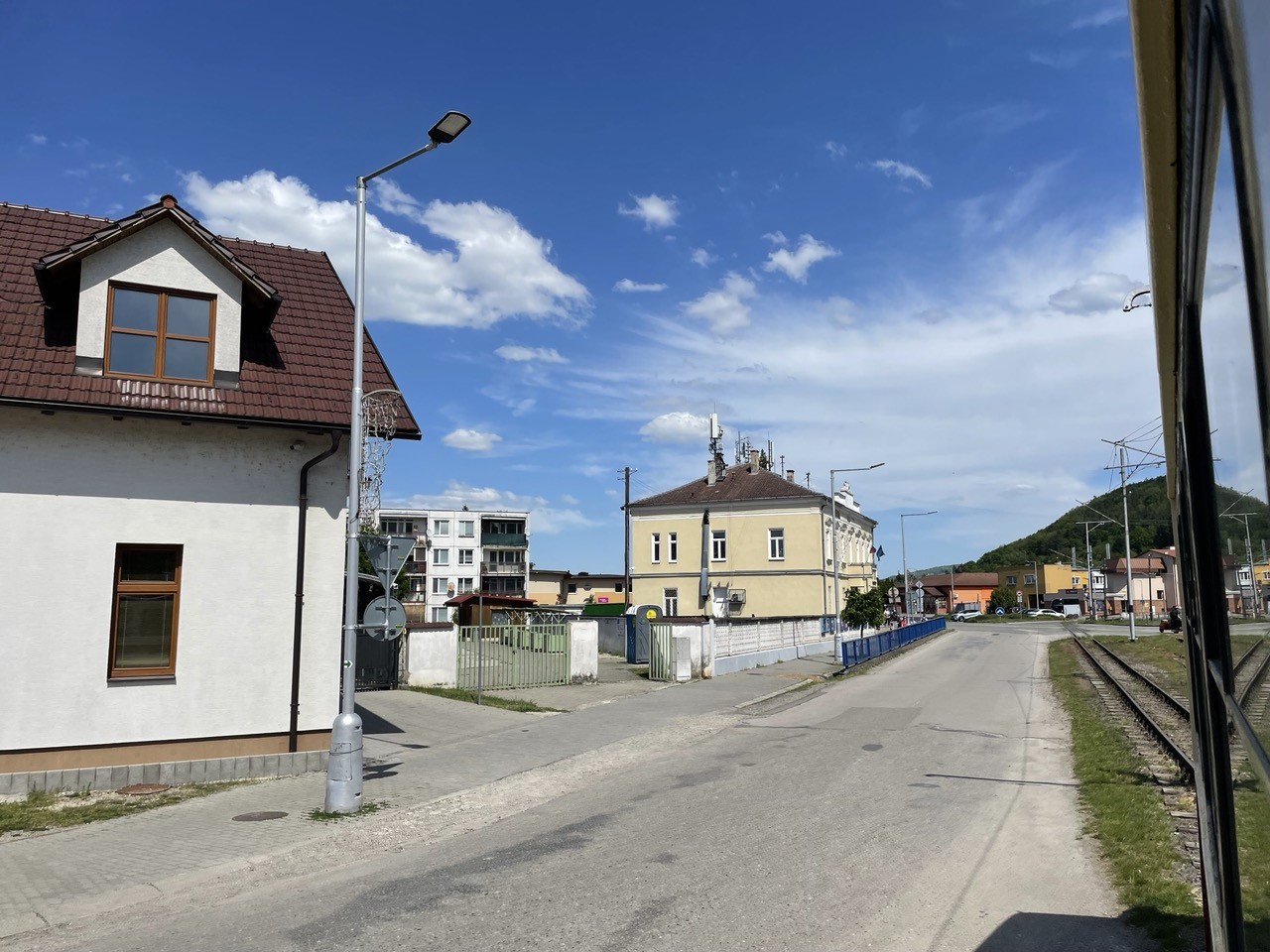
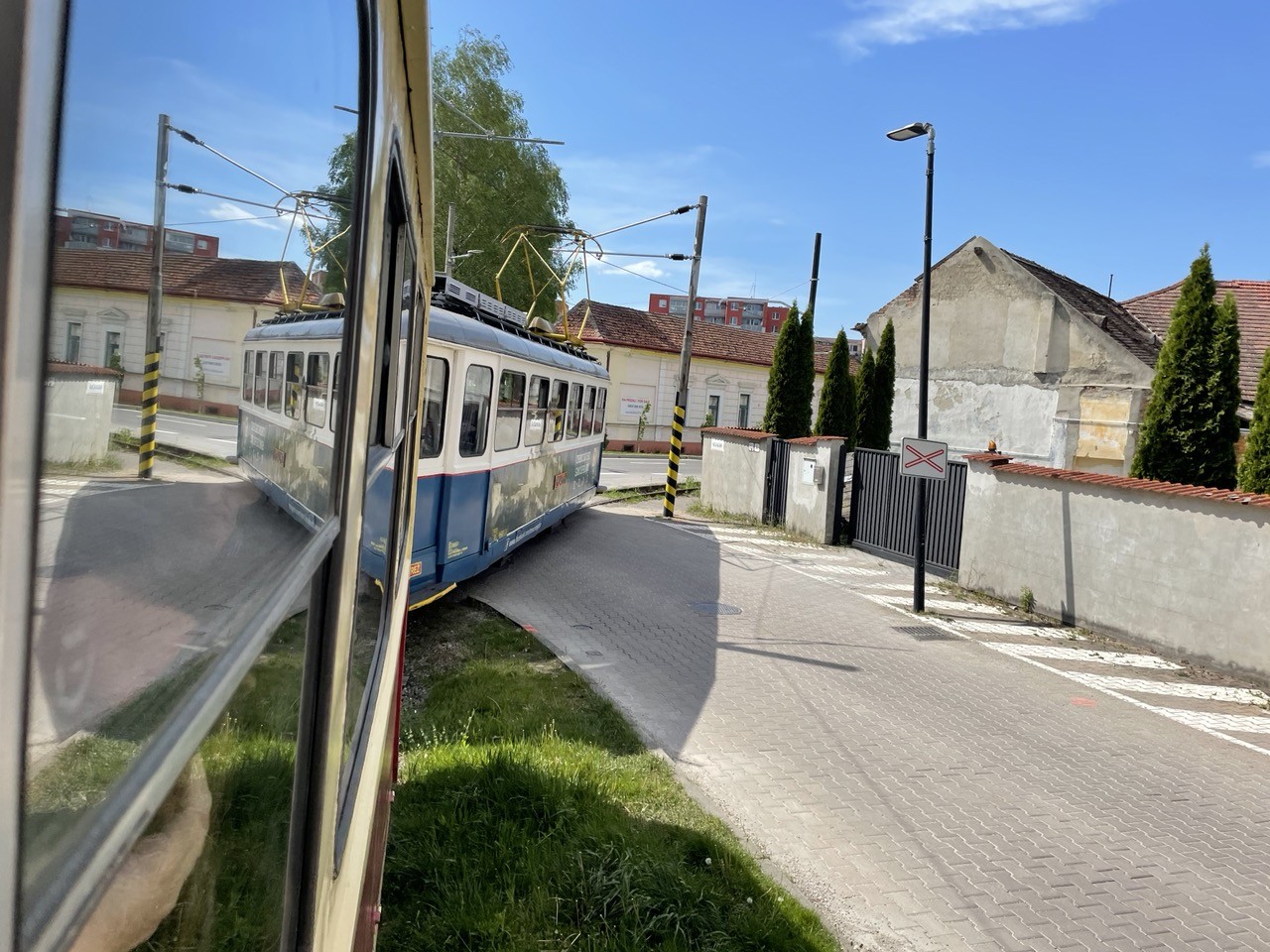
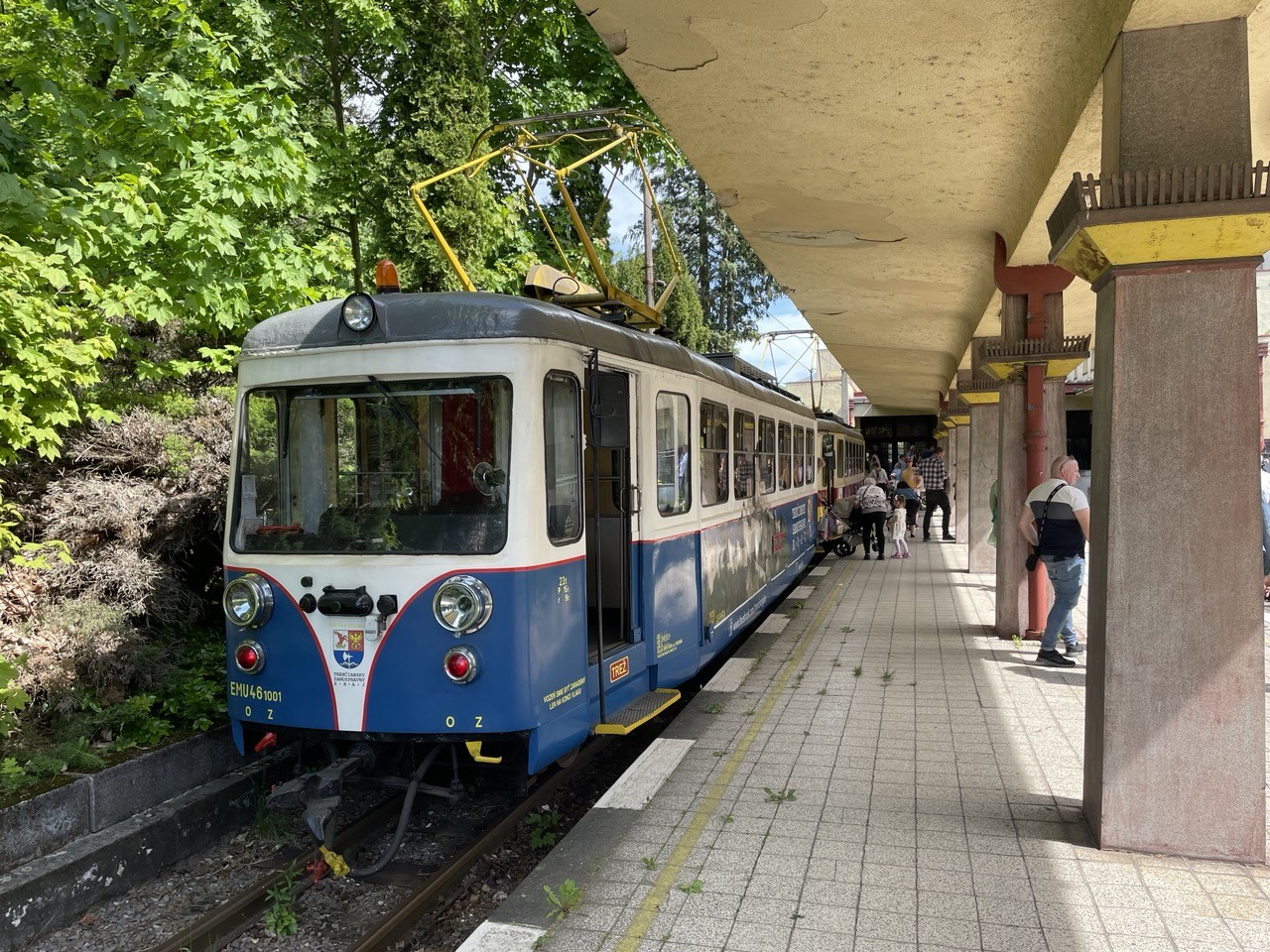
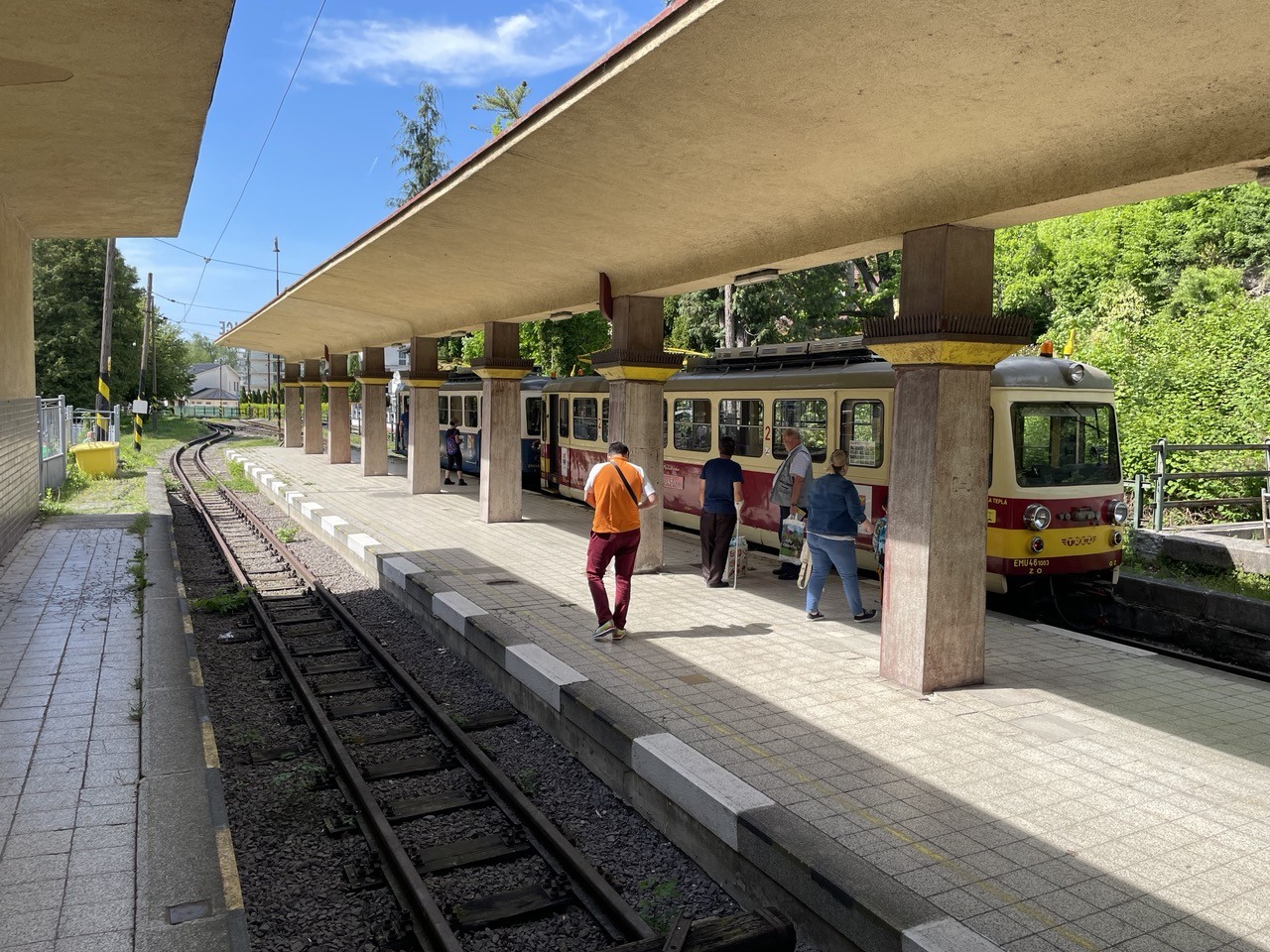
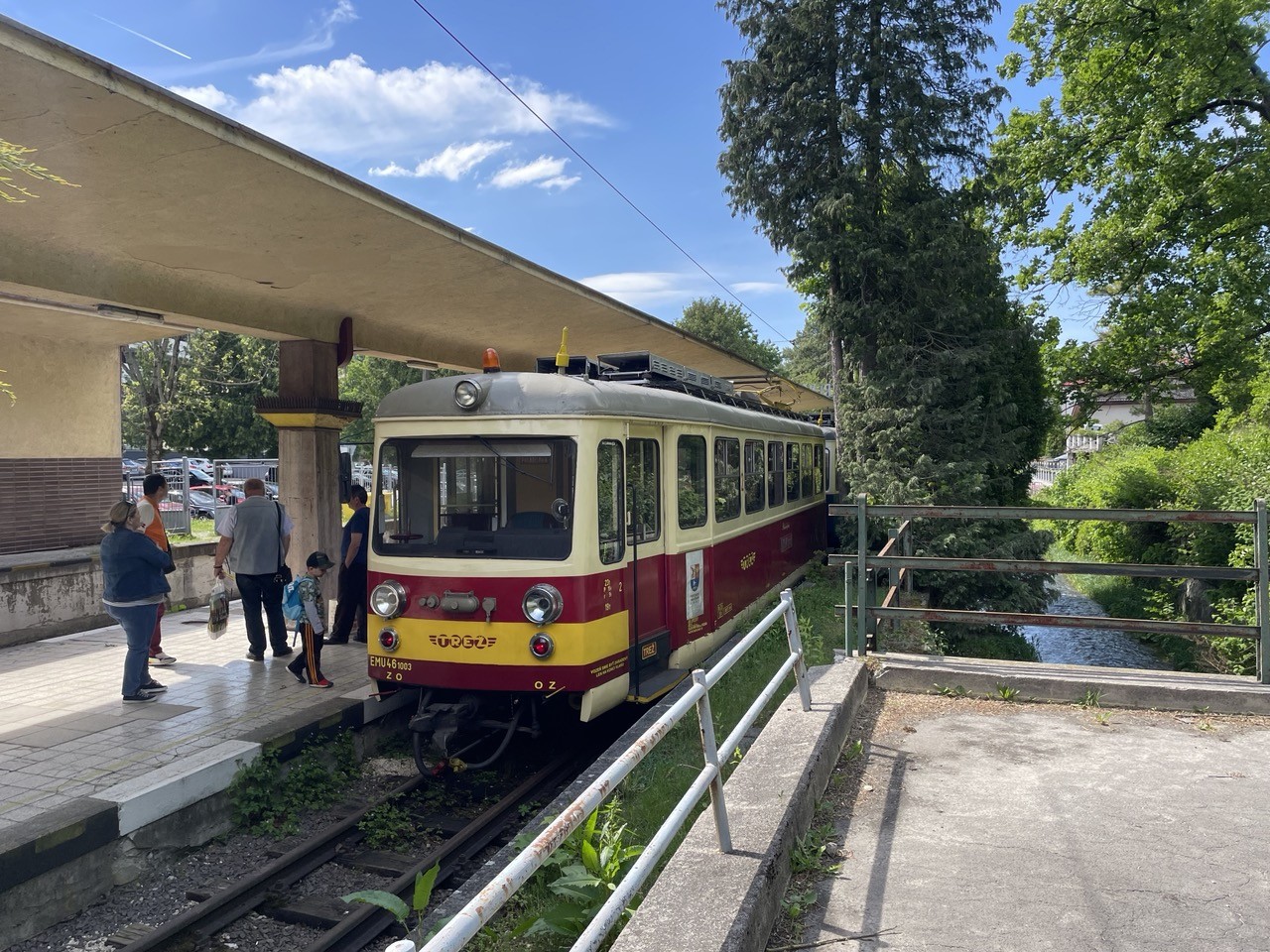
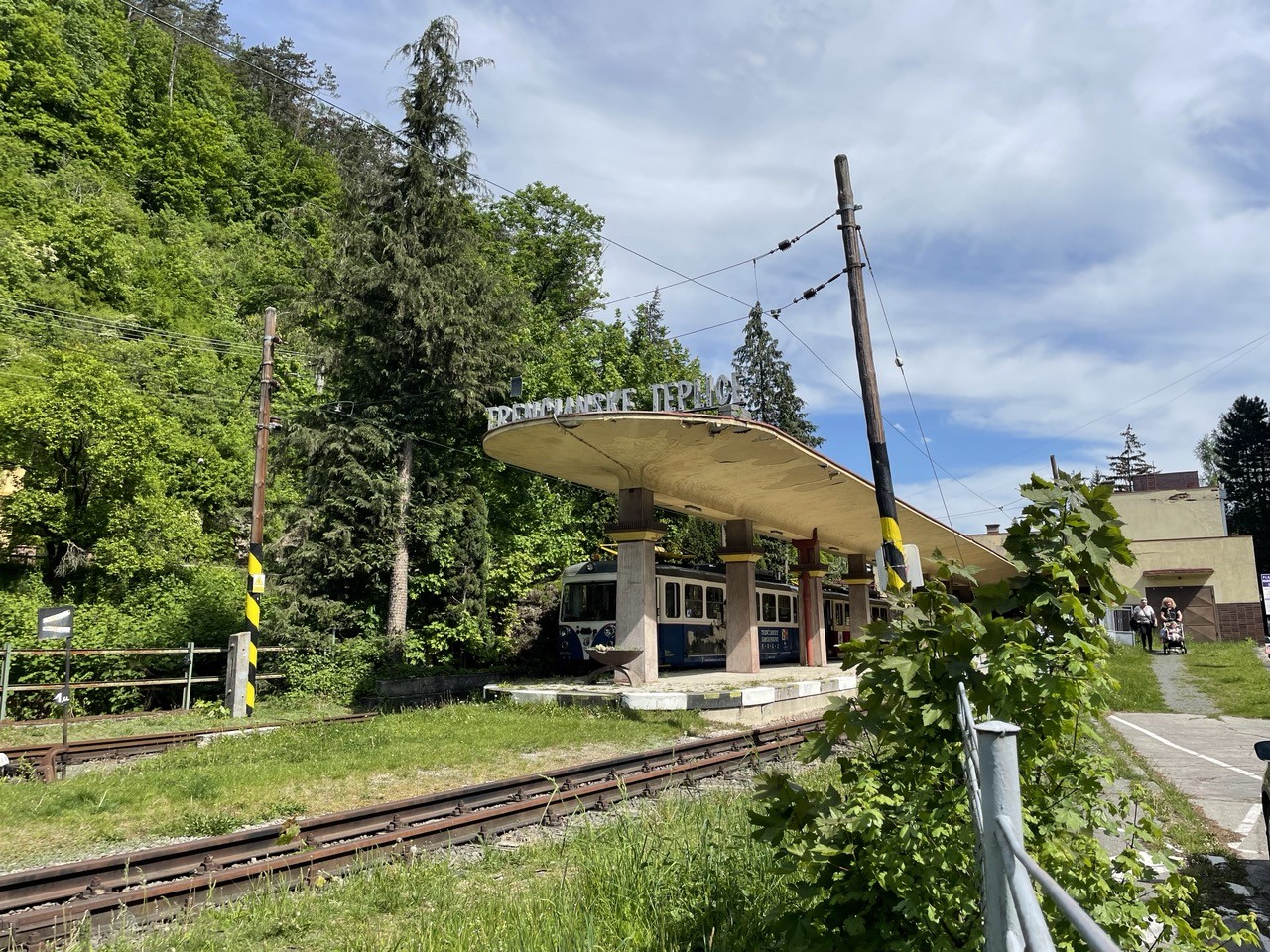
We’re just here though to pass some time until the departure of the cute narrow-gauge electric train from Trenčianska Teplá to Trenčianske Teplice. The line is only operated on weekends and holidays, today is in fact its first day of operation in 2024.
The little terminal station Trenčianske Teplice suits the cute little trains very well. Most passengers leave through an unmarked exit via what seems like an old goods platform because it leads directly to the city center, as opposed to the deserted station hall.
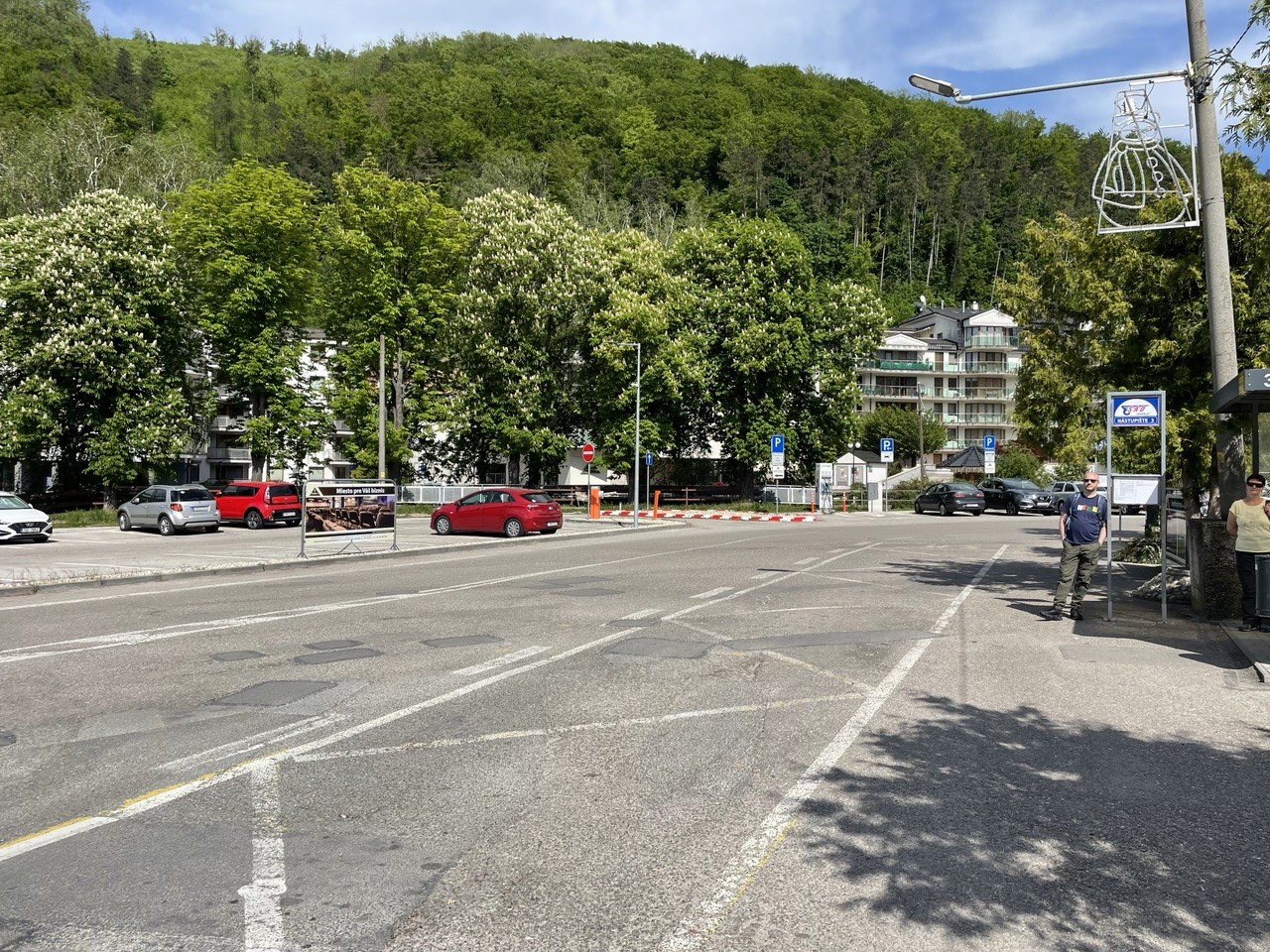
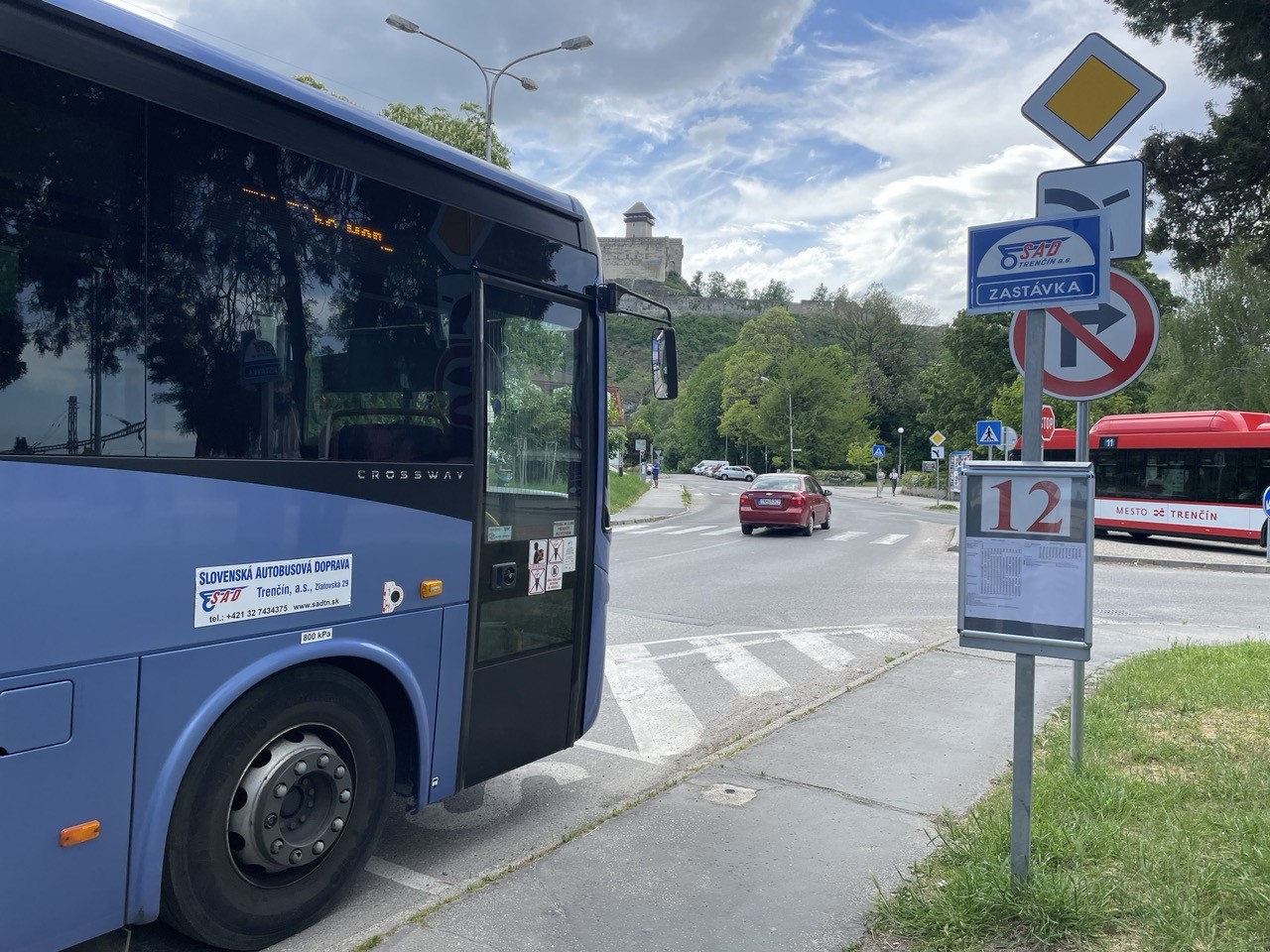
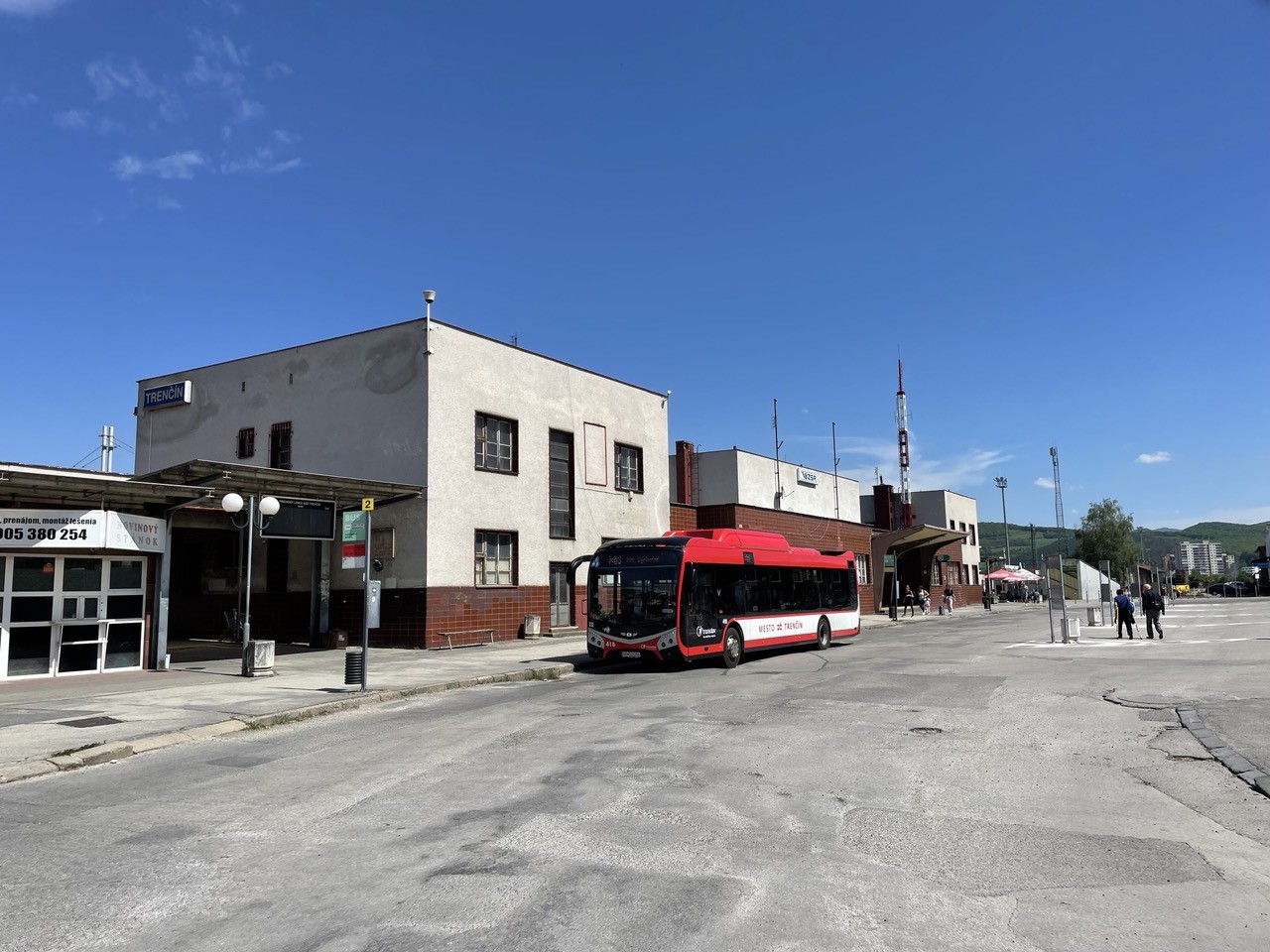
Trenčianske Teplice is a spa town and seems to be a popular destination for day tourists. Sadly, because the TREŽ schedule is sparse even on operating days and badly coordinated with the departure of ZSSK trains to Bratislava, we have to take its replacement - a bus taking the same travel time TREŽ would take to Teplá for the journey via Teplá to the regional center (and Express train stop) Trenčin.
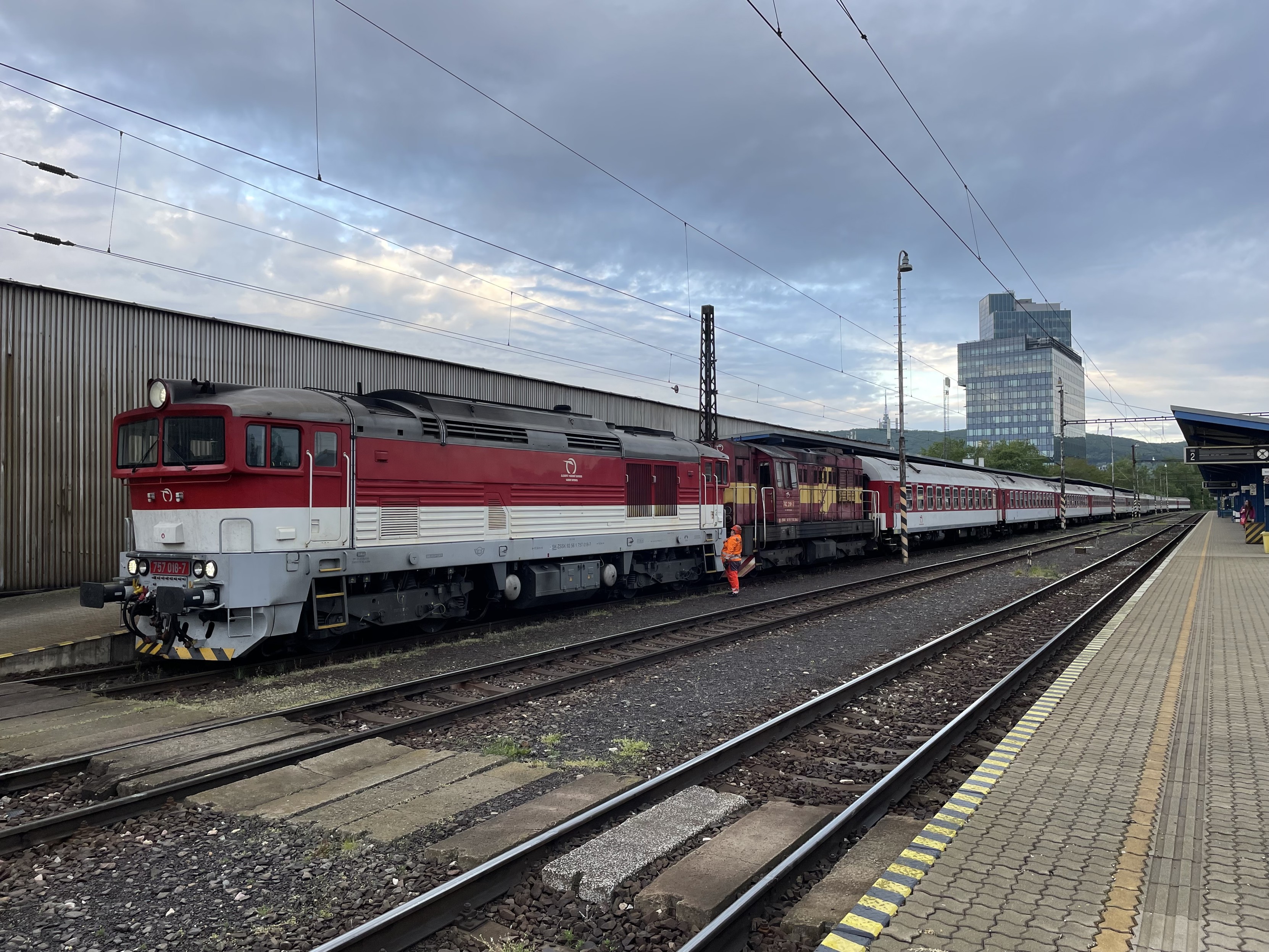
Instead of remaining on the through train from Košice to Bratislava hlavna stanica, we decide to Change at Trnava vor a Rychlík to Bratislava-Nove Mesto, hauled by a "diving goggles" diesel locomotive.
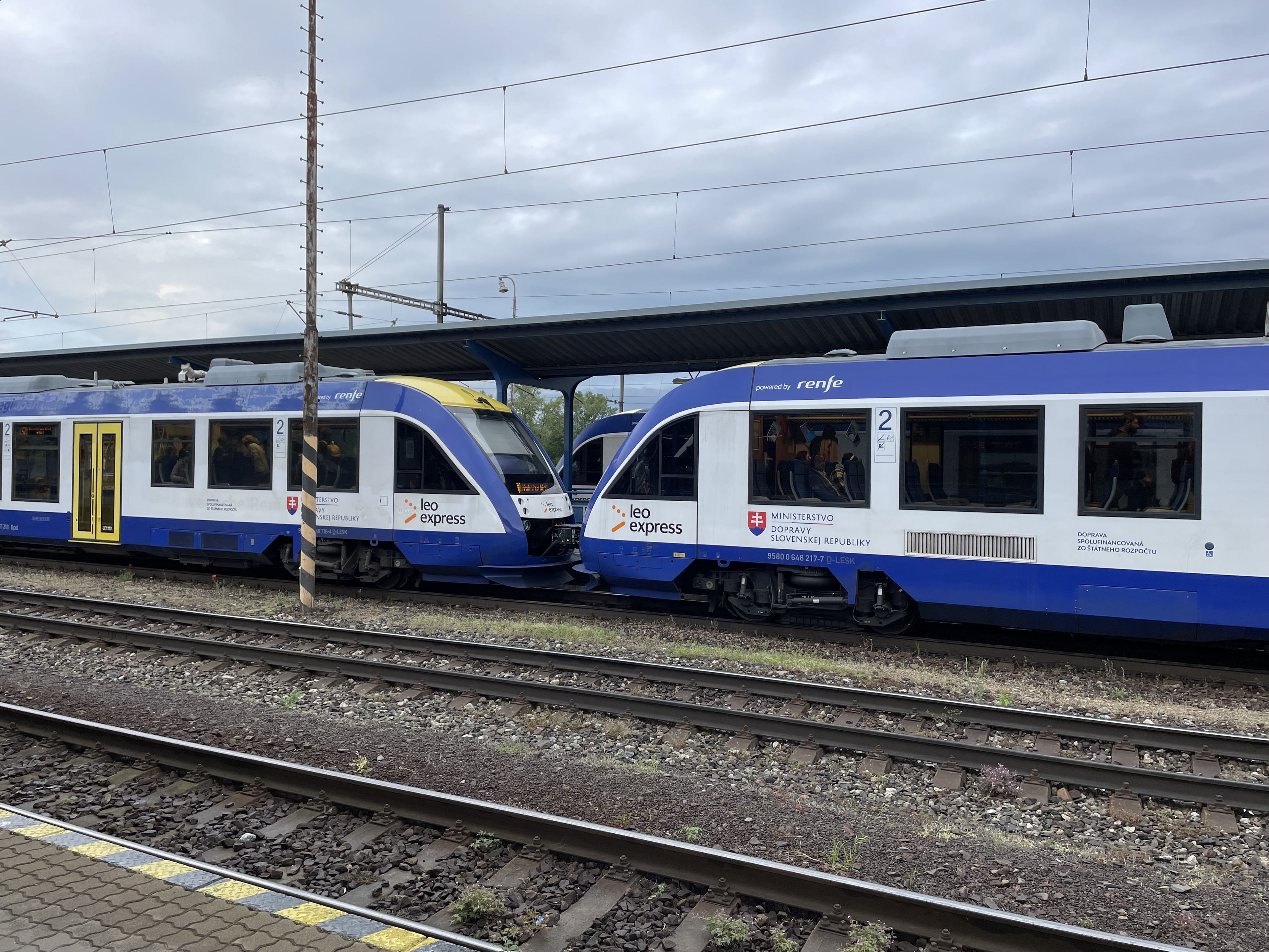
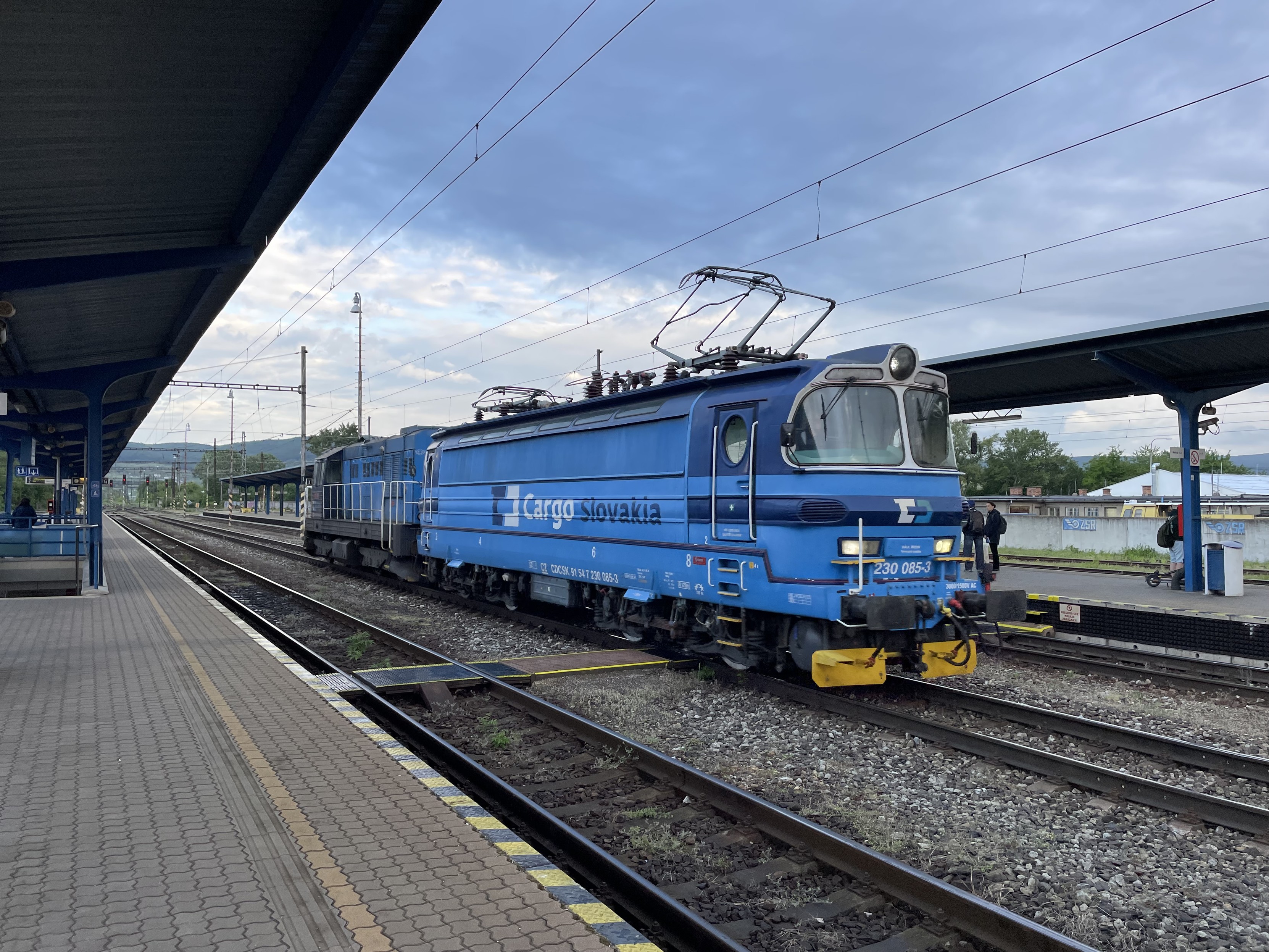
The railway service within Bratislava sucks, and there seems to be zero motivation to use the infrastructure for good service within the city. Nevertheless, we start from Bratislava-Nove Mesto on the morning, where we get a chance to watch the ex LINTS now in service for leo express/ on the Bratislava - Komárno line, an empty night train being transfered for maintenance from Hlavna stanica, and a lot of other trafic, before our double-deck EMU to Bratislava-Petržalka arrives
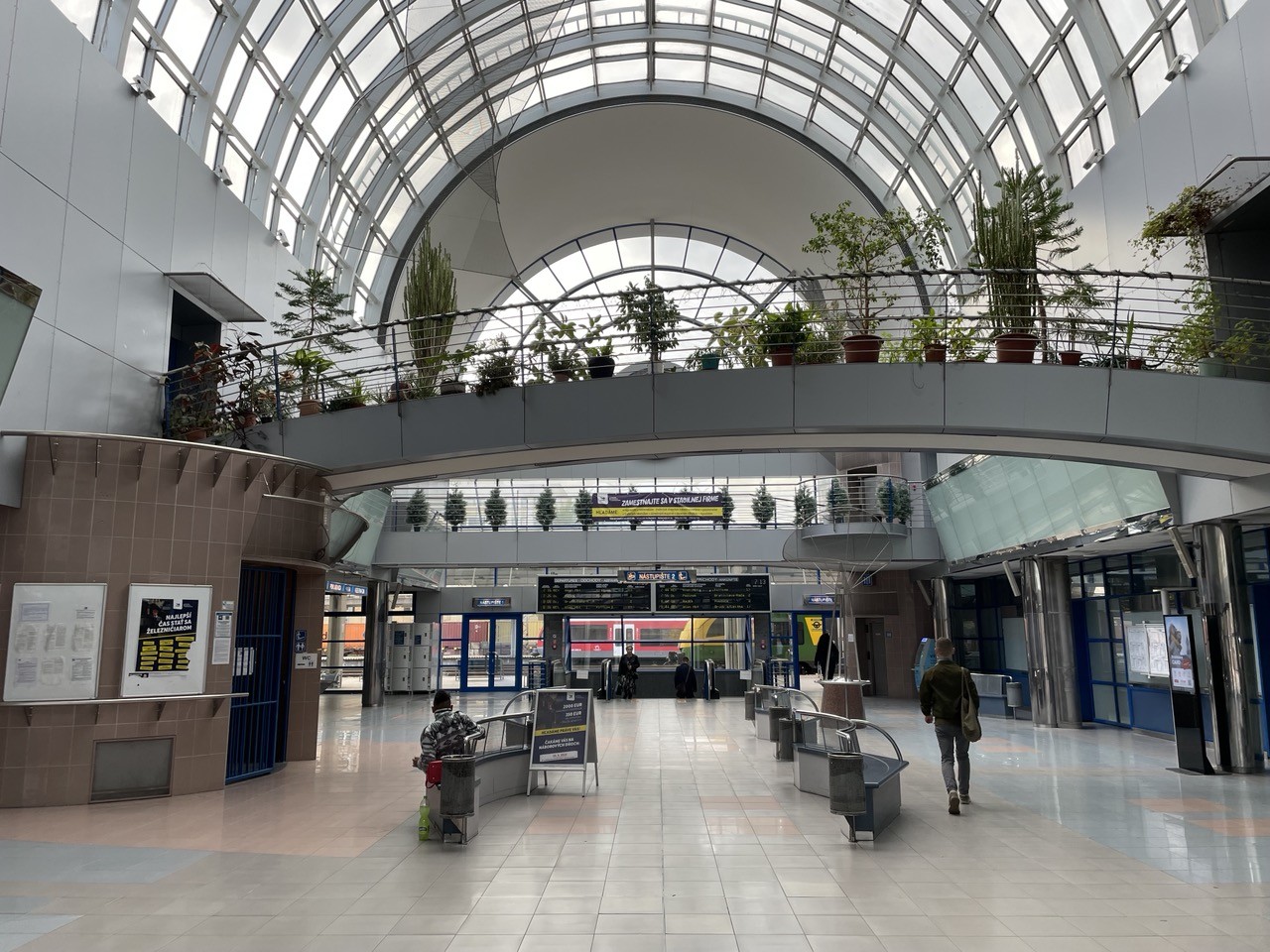
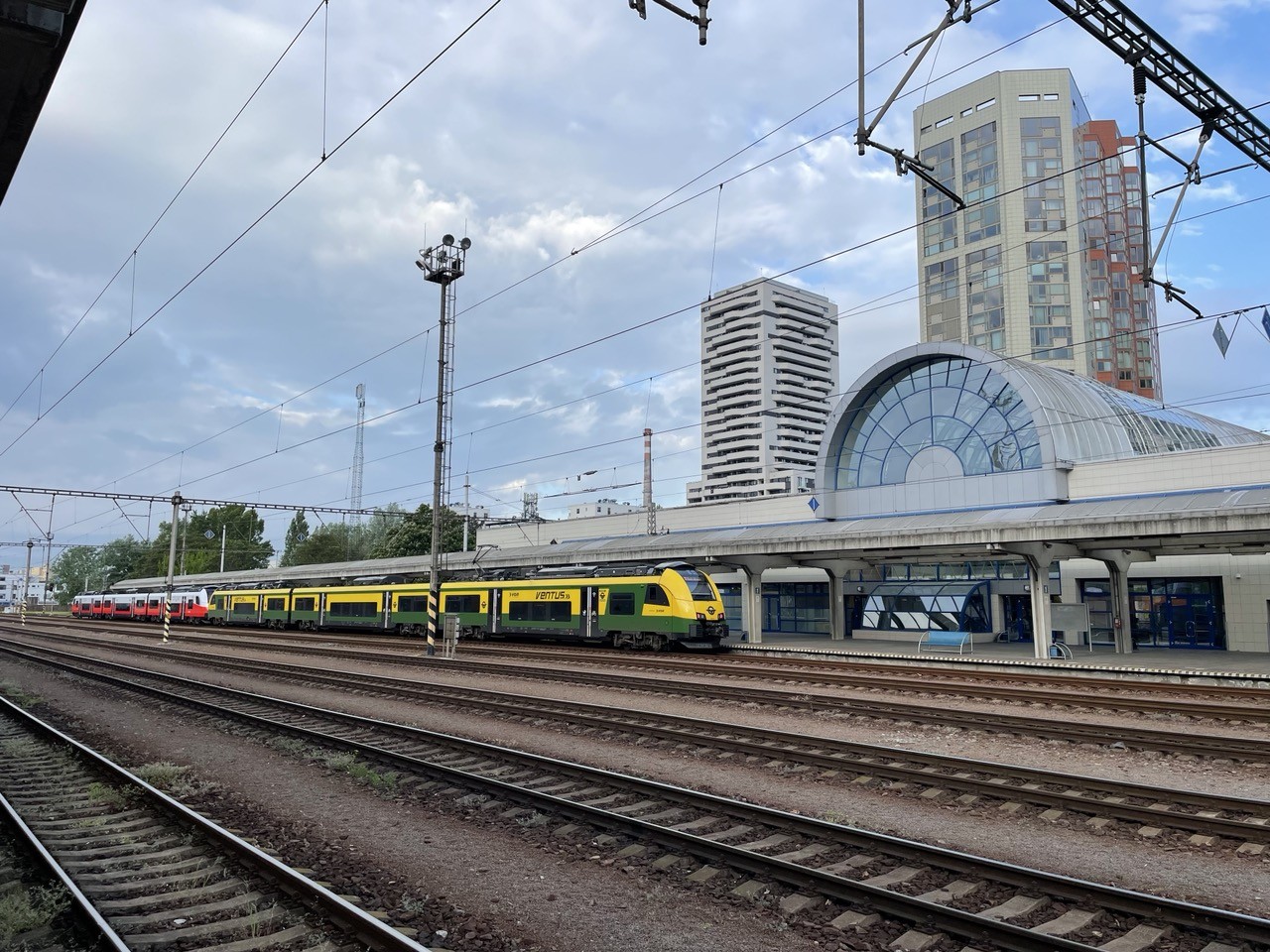
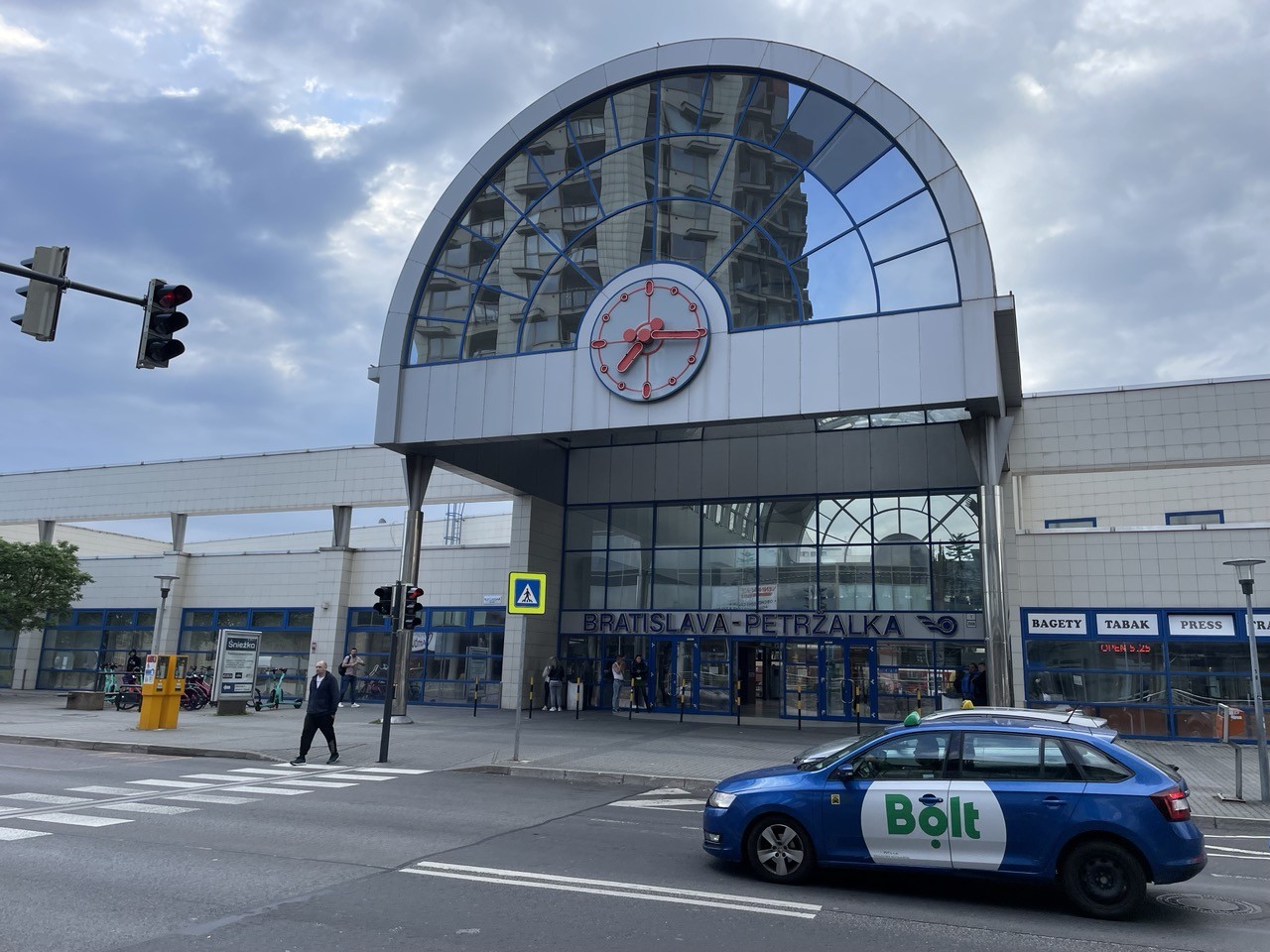
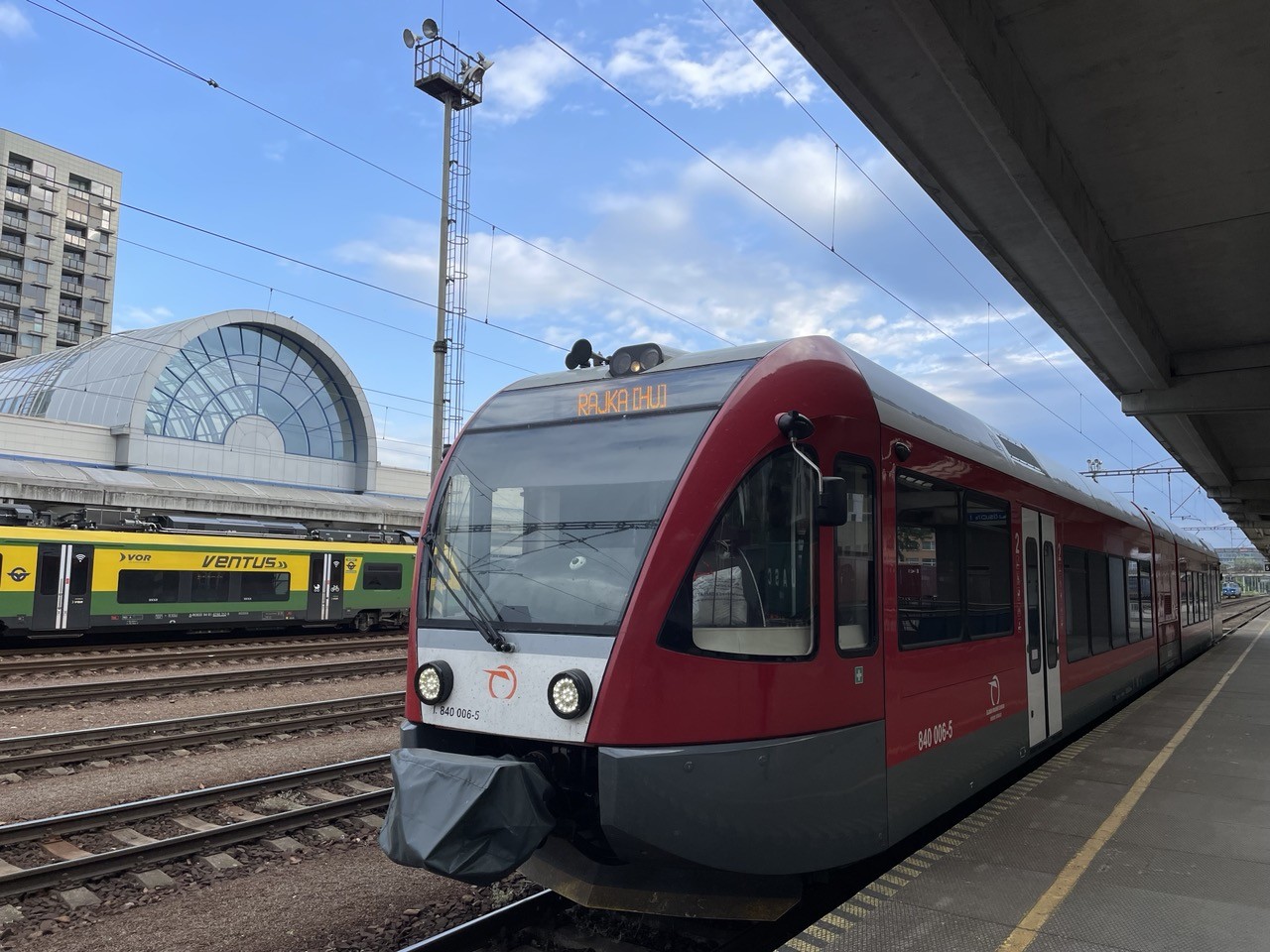
Bratislava-Petržalka is the least ugly train station in Bratislava, which is saying something, because it’s still quite ugly. This station serves as a very decentral terminus for trains to Austria (via Kittsee) or Hungary (via Rajka).
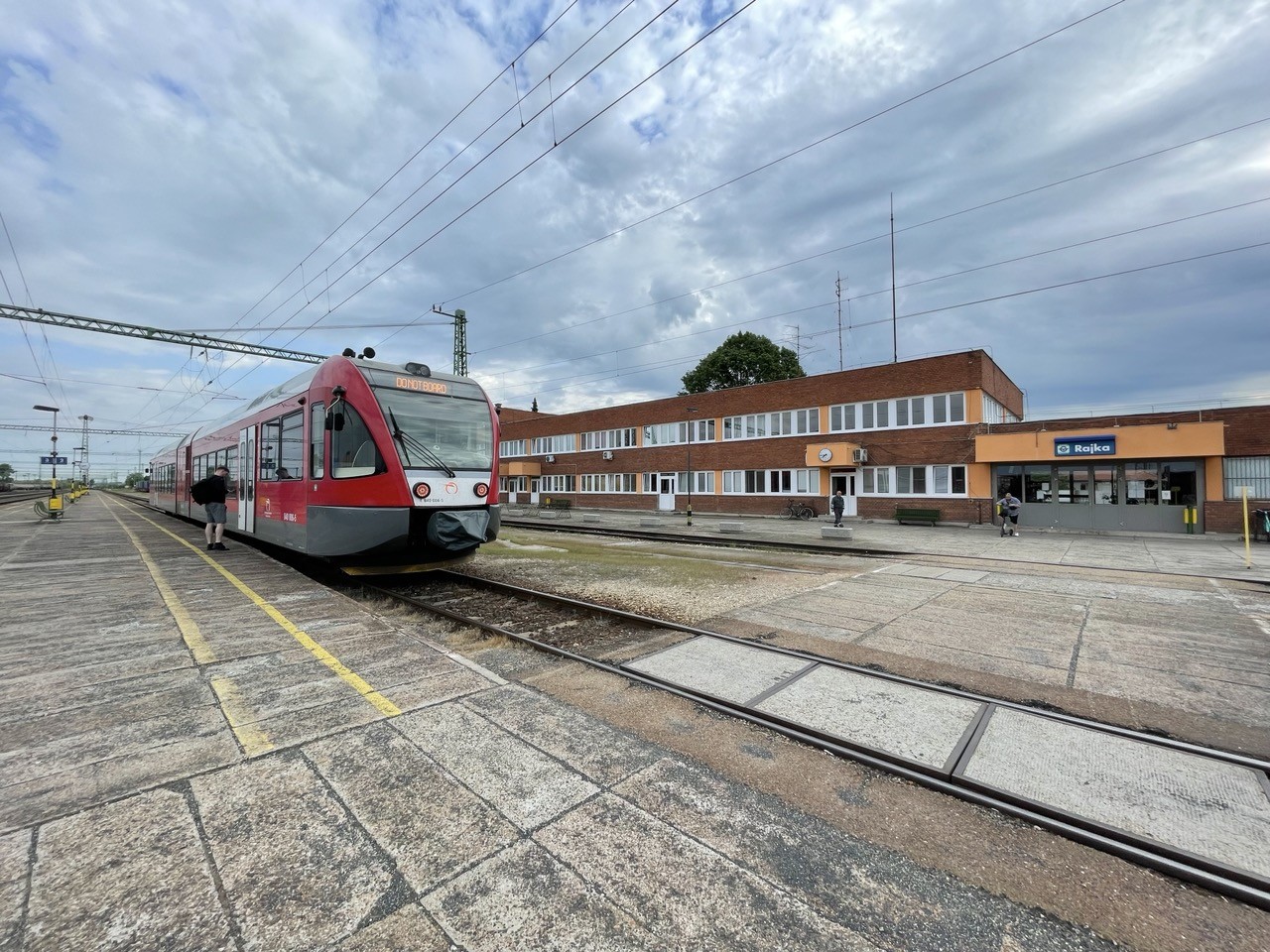
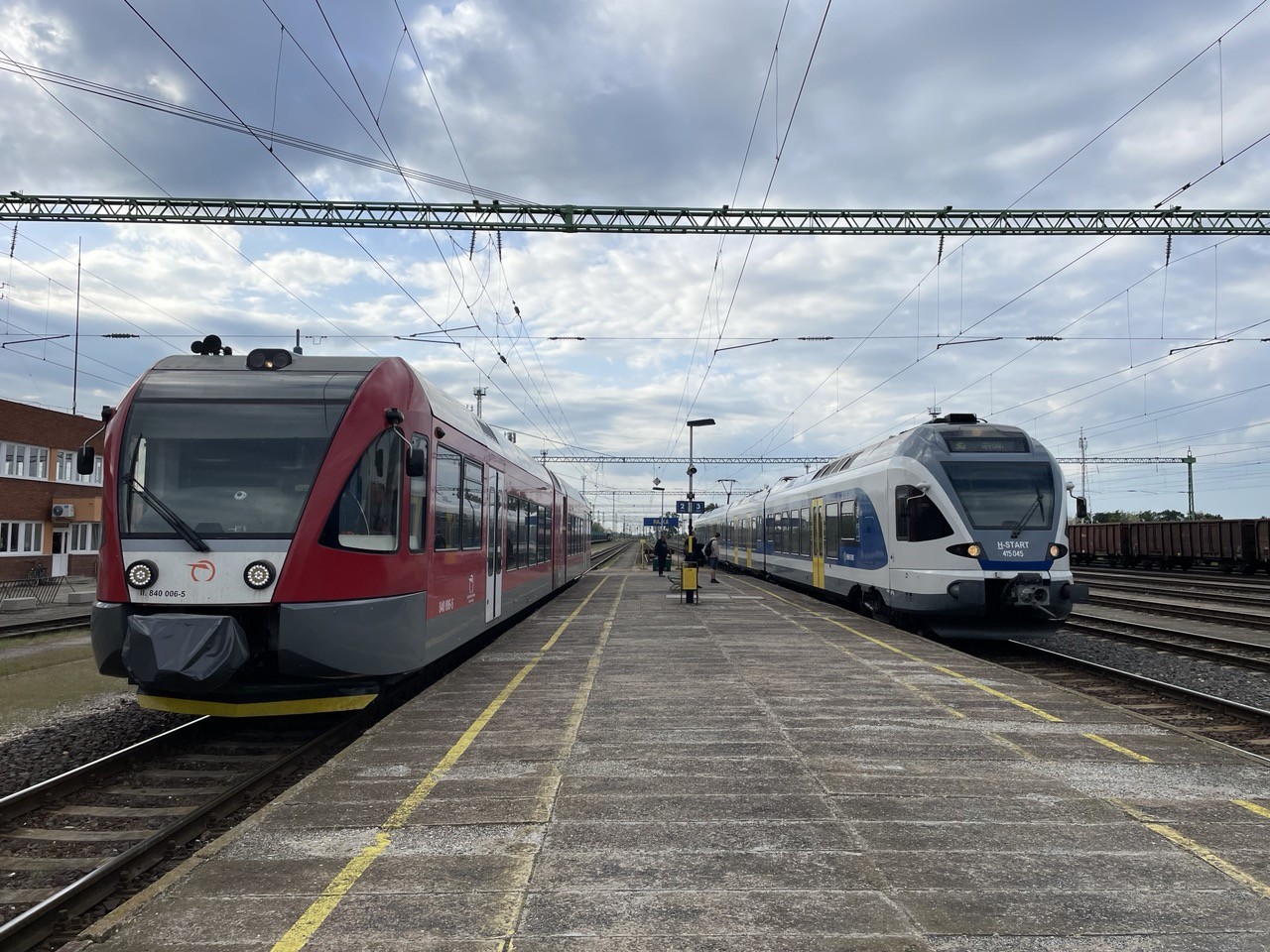
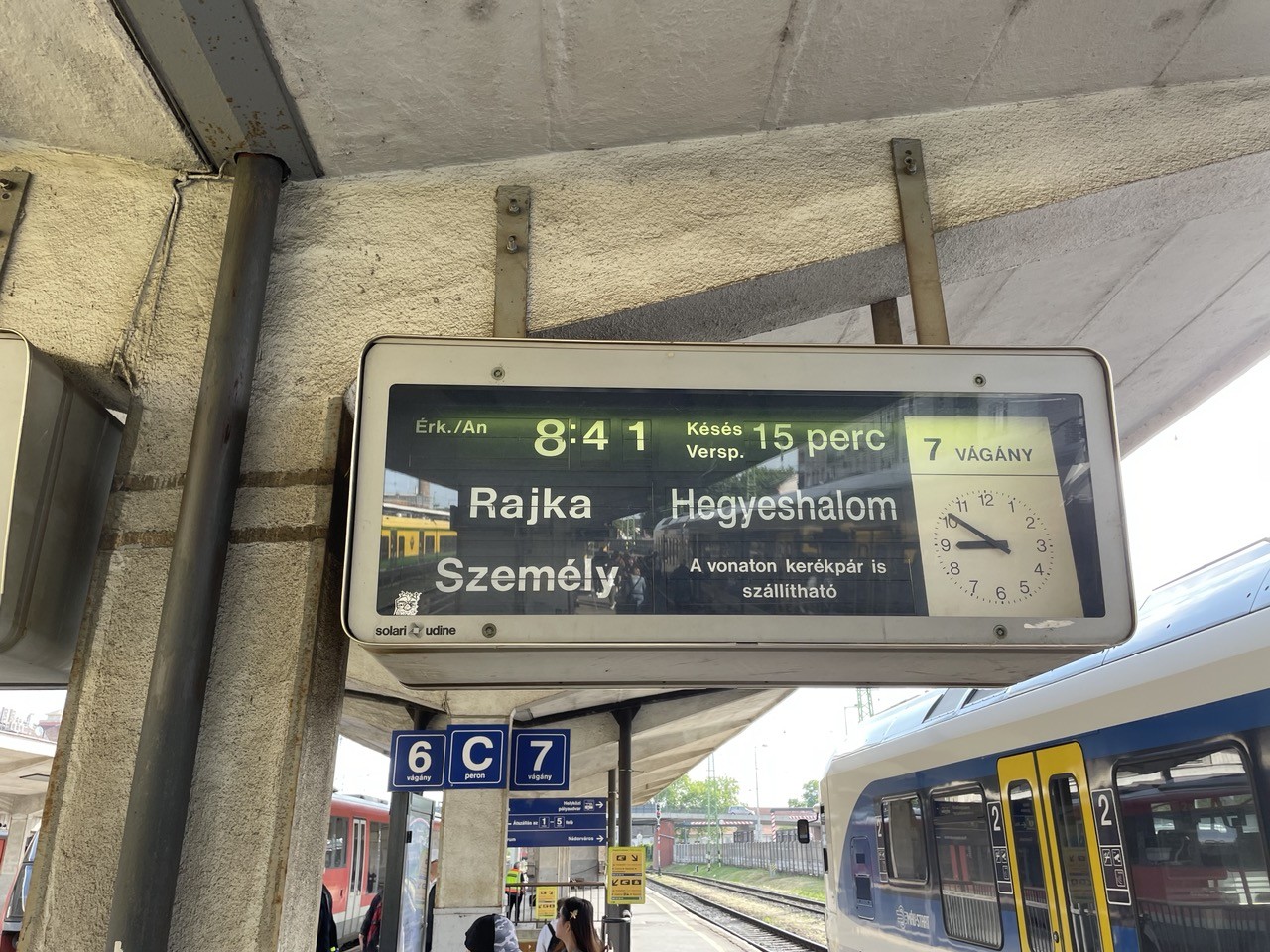
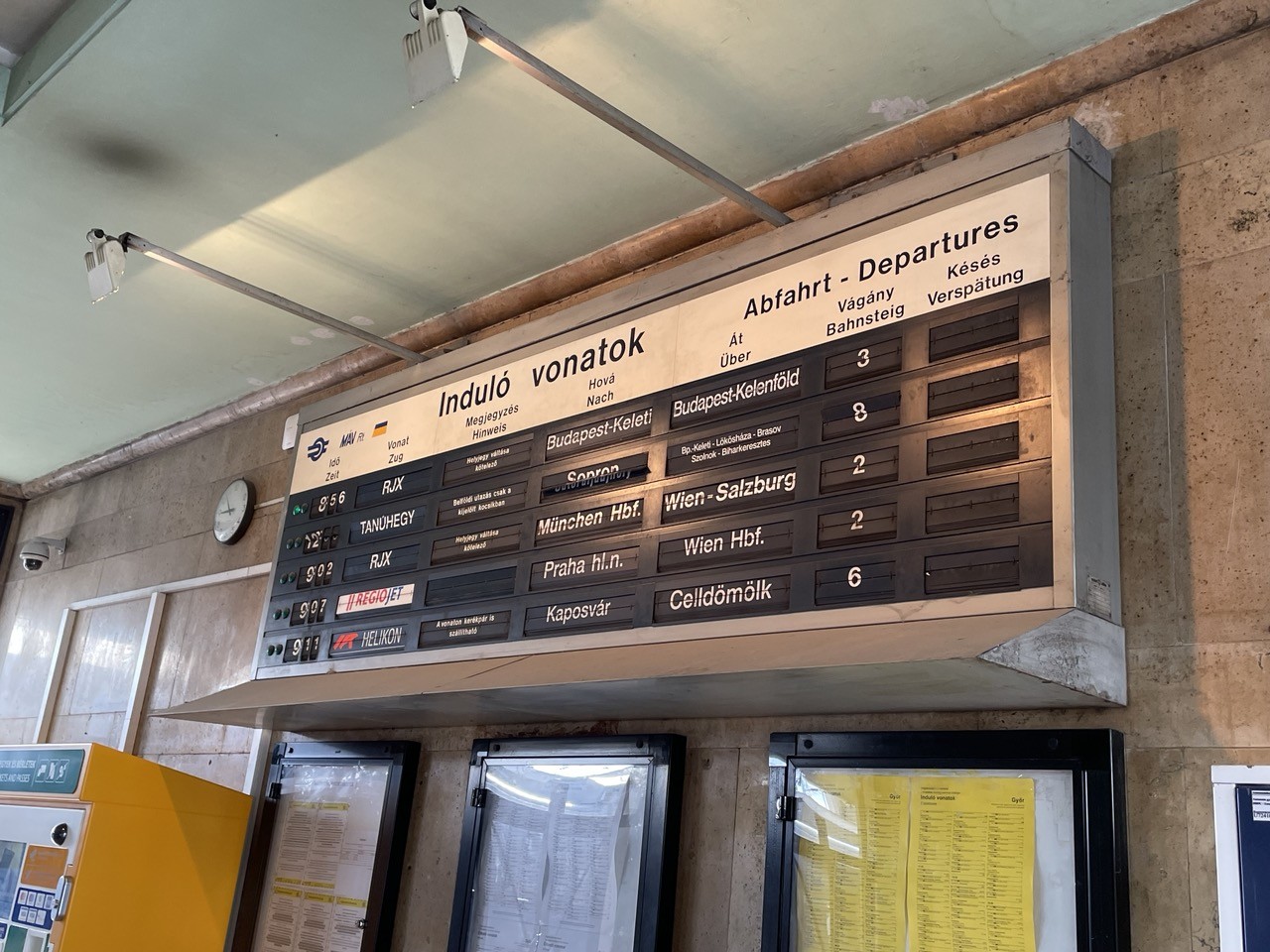
There is a bit of delay in Rajka, because the MÁV Flirt has been held up on the Győr-Hegyeshalom main line. The ZSSK train is waiting nonetheless for Bratislava-bound passengers, and we soon reach Győr, a station with a lot of old split-flap displays
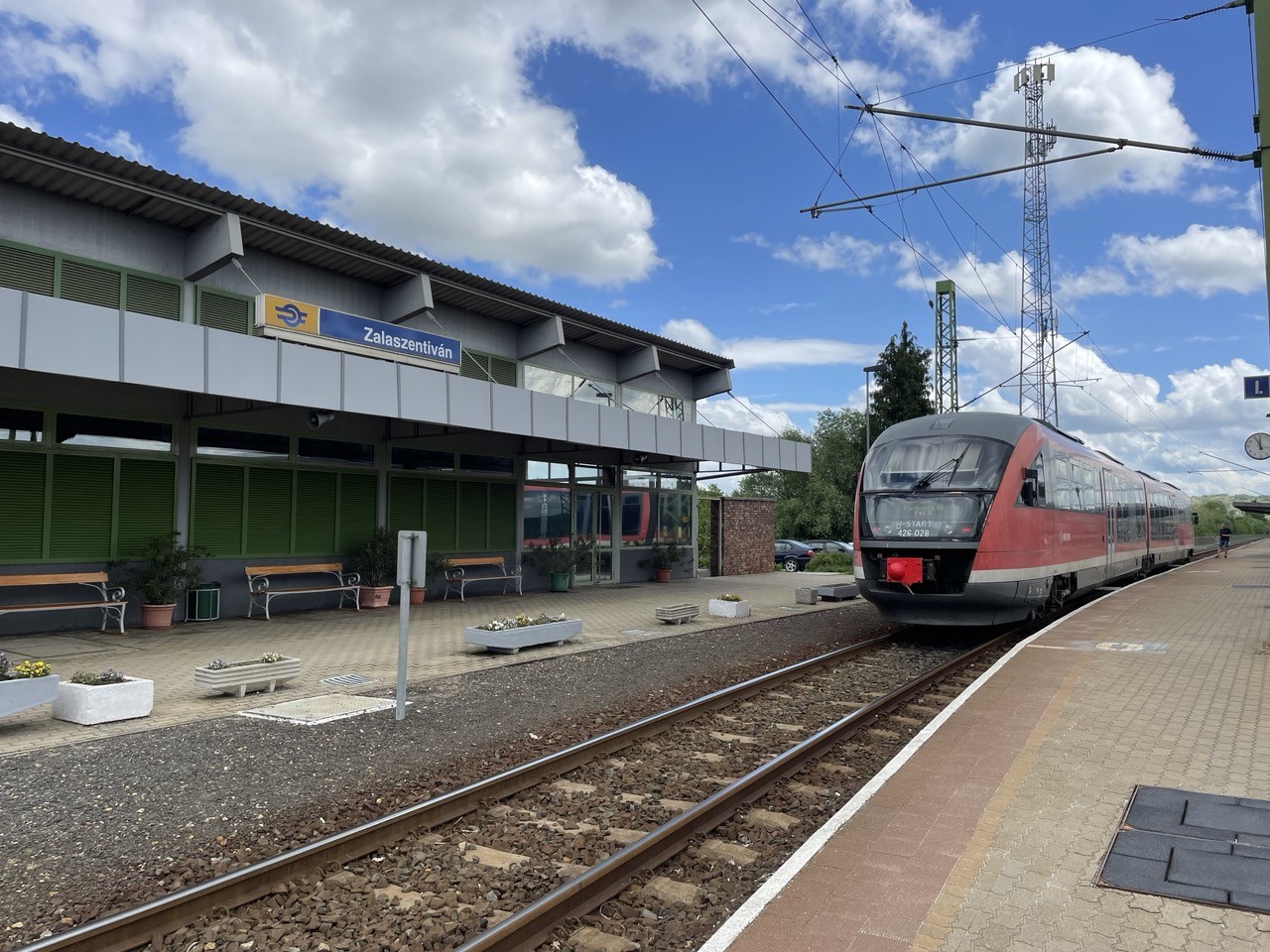
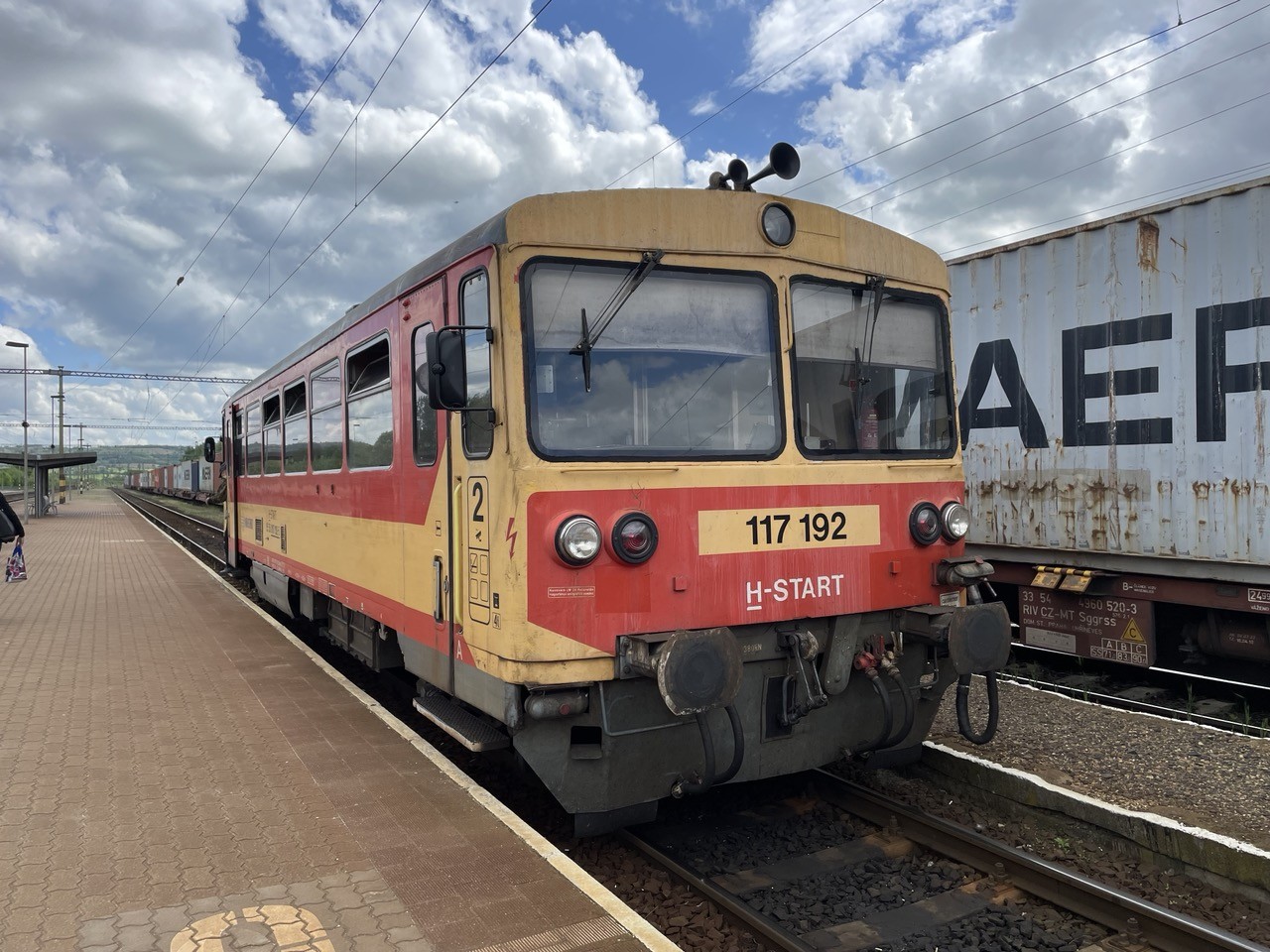
We depart Győr on a Graz-bound InterCity, the first significantly delayed train on our trip which is actually putting the transfer to the next train at risk - everything nevertheless worked out perfectly at Szombathély, and we spend the next hour on a MÁV Desiro (and yes, they did order them in DB livery) to Zalaszentiván, where it connects with a little Bzmot railbus serving as a shuttle to the county capital of Zalaegerszeg.
Why Zalaegerszeg? Well, due to construction works, several lines in southwestern Hungary are interrupted, that means that the “Citadella” Budapest <> Ljubljana is limited to Zalaegerszeg <> Ljubljana.
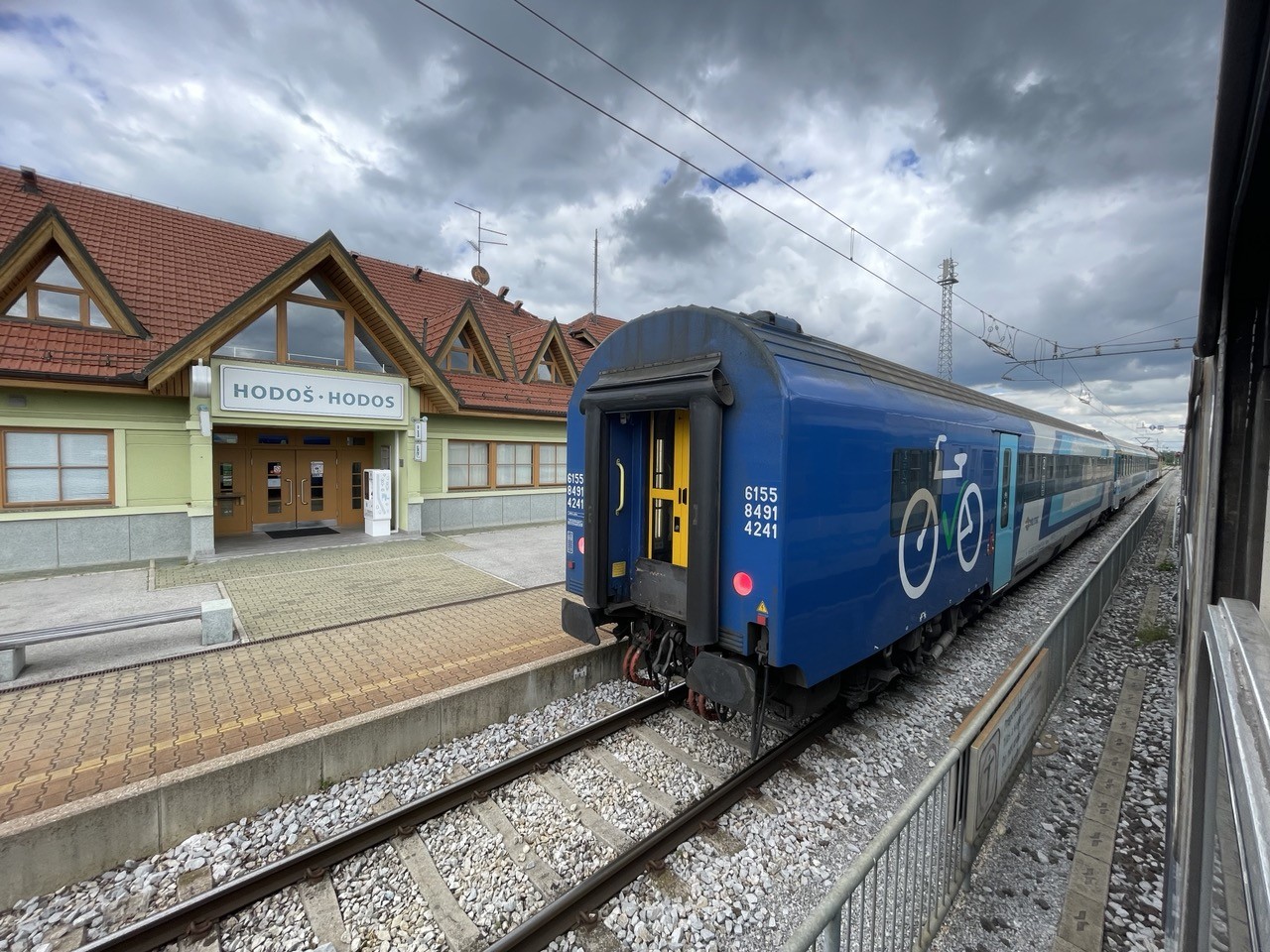
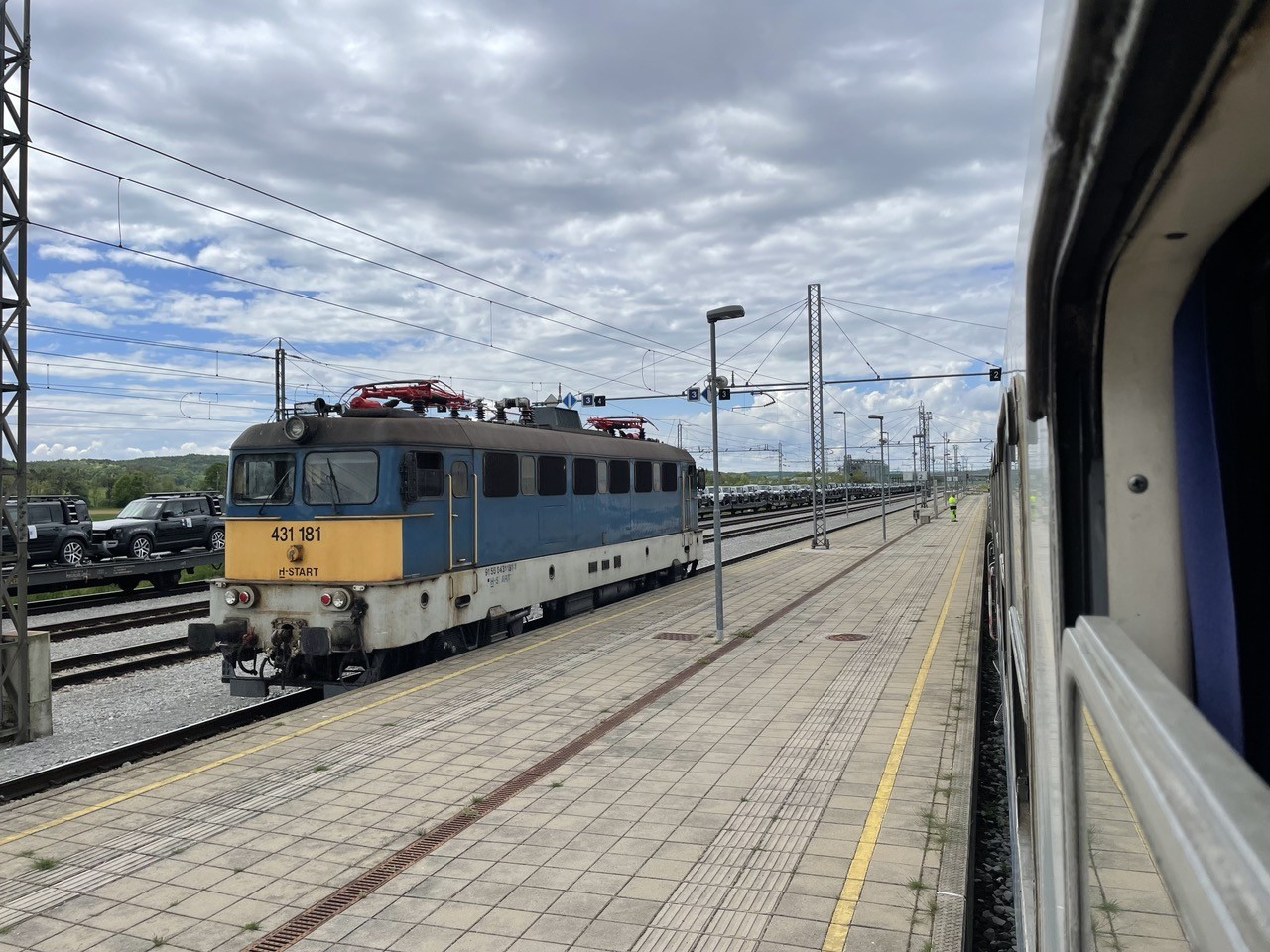
The Citadella crosses the Hungarian/Slovenian border at Hodoš; we’re only here to once again circumnavigate the line closures in Hungary, which render the direct border crossing between Hungary and Croatia at Koprivnica completely unusable at the moment. We meet the train back to Hungary at the station, and get a new locomotive due to the incompatible voltage. For reasons unbeknownst to most, our train is one of the first Citadellas to be completely on time in the past few weeks - which means the 6 minute transfer in Zidani Most to the train to Zagreb works perfectly.
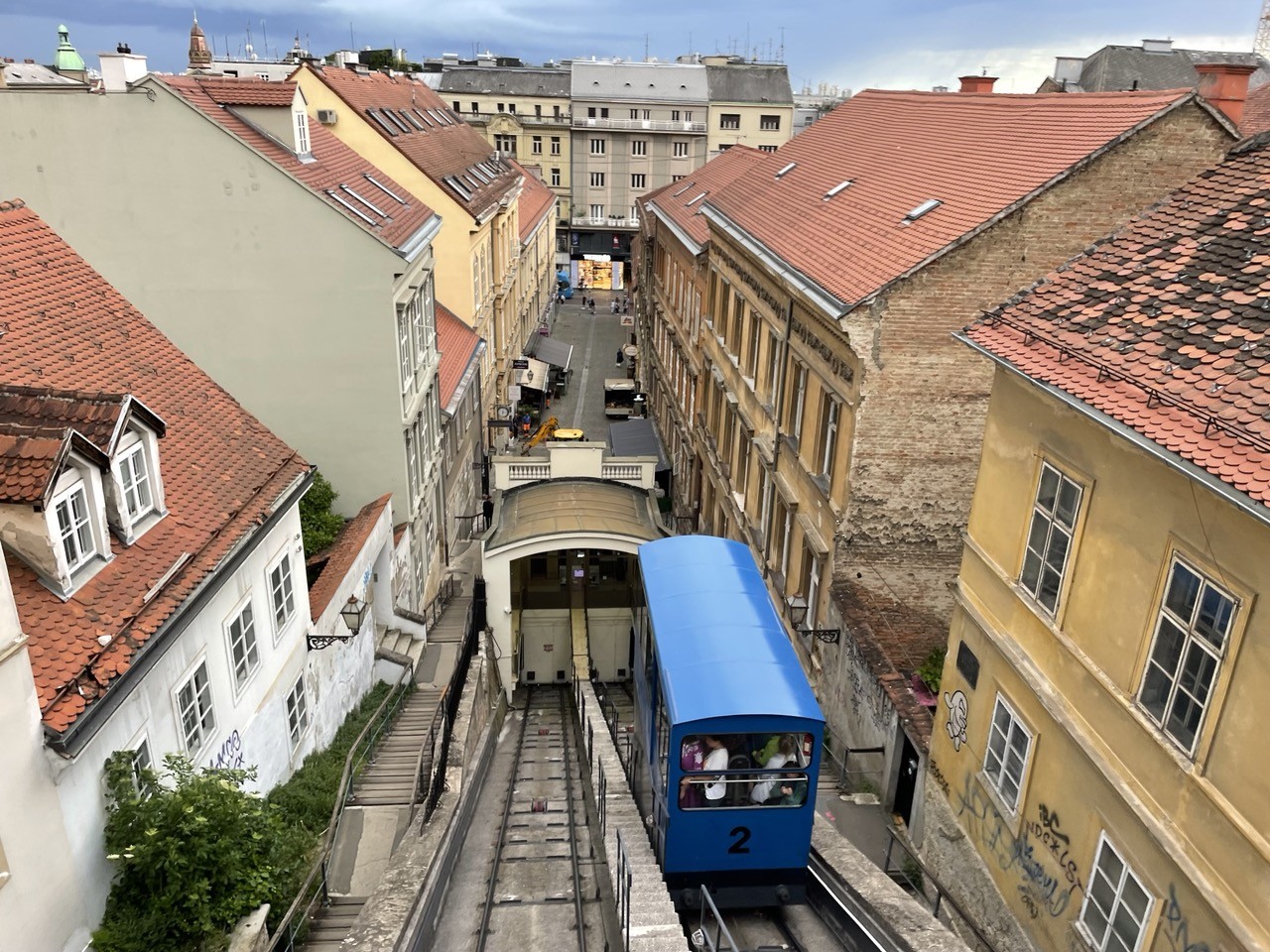
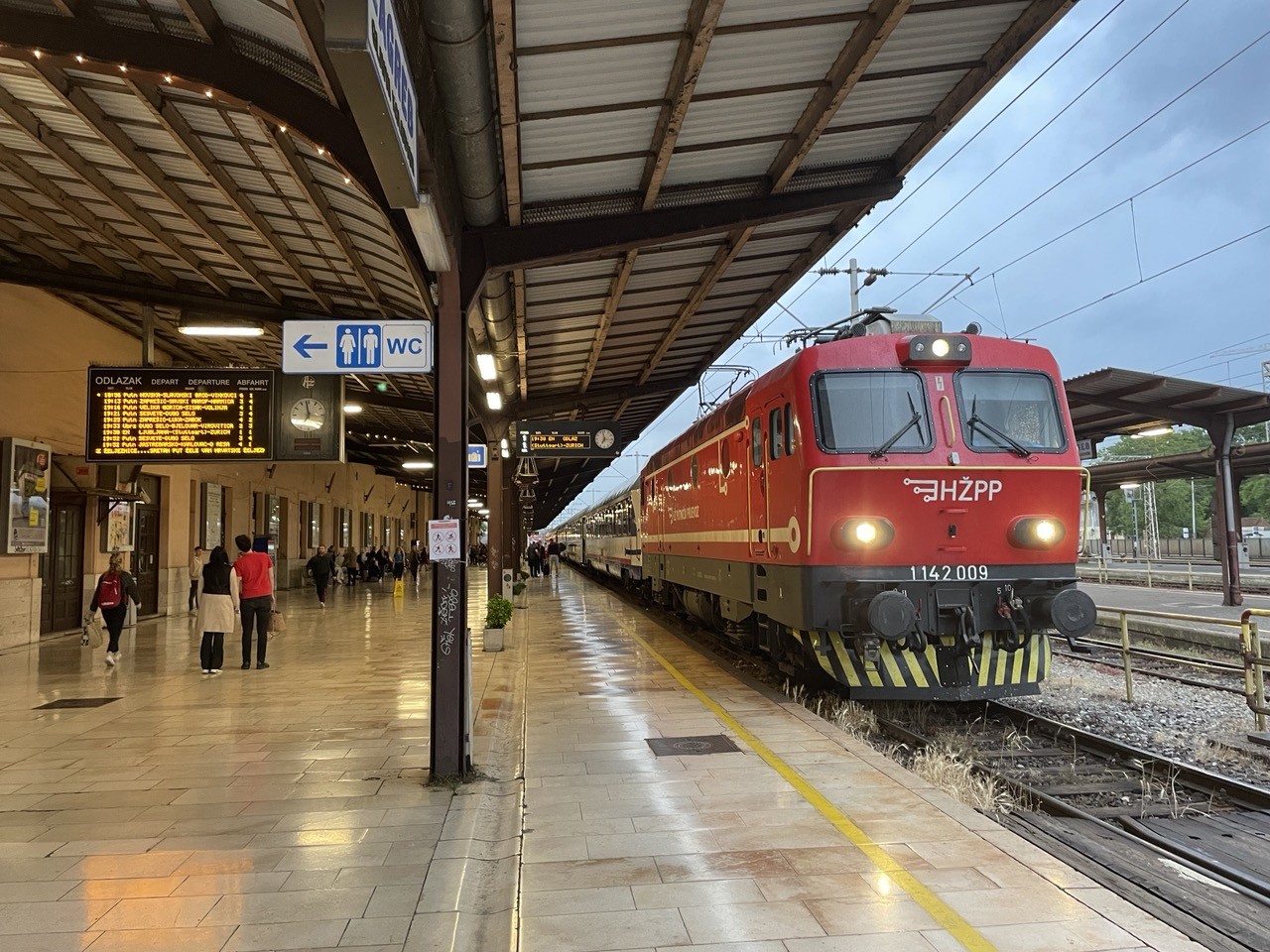
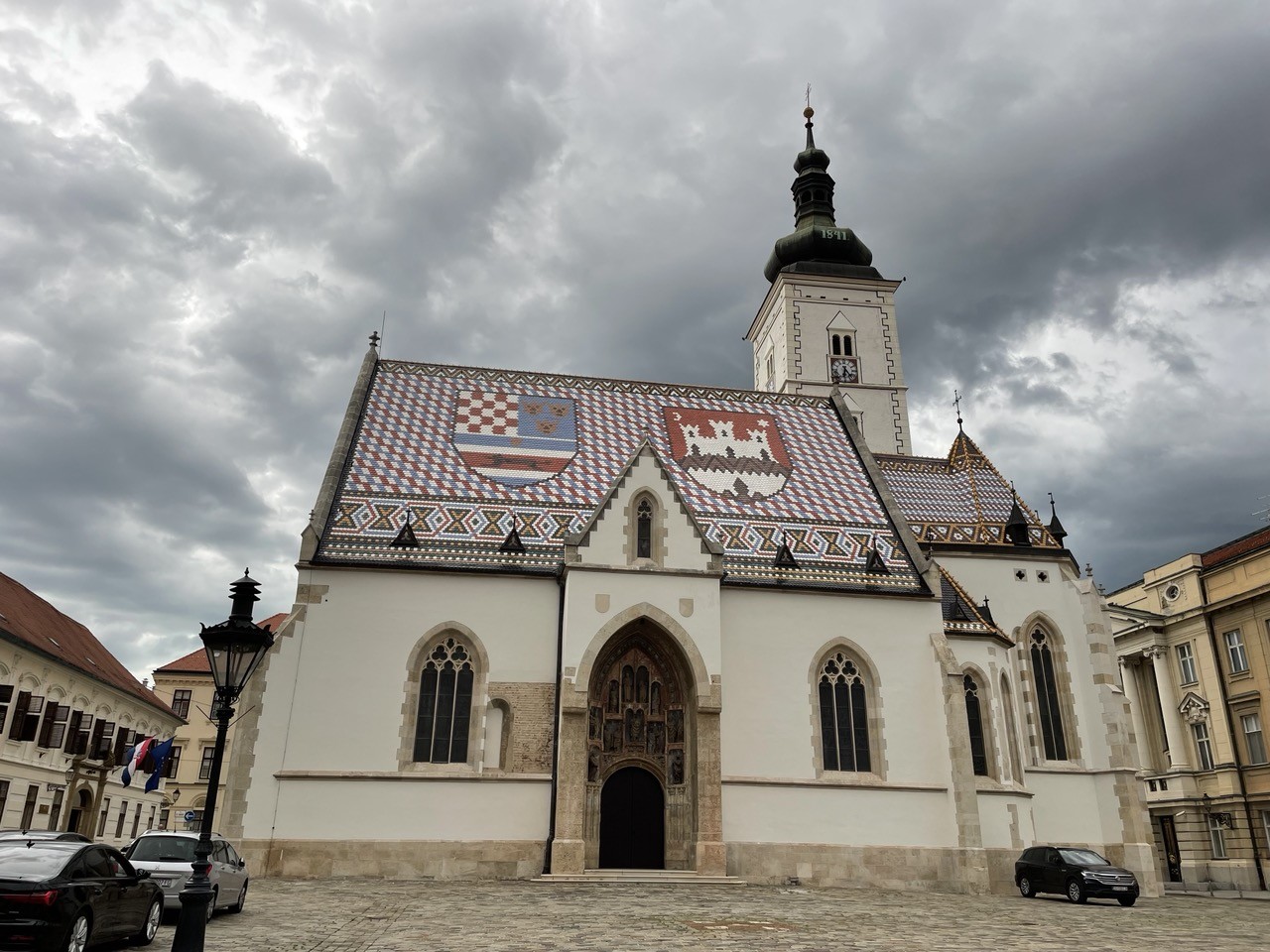
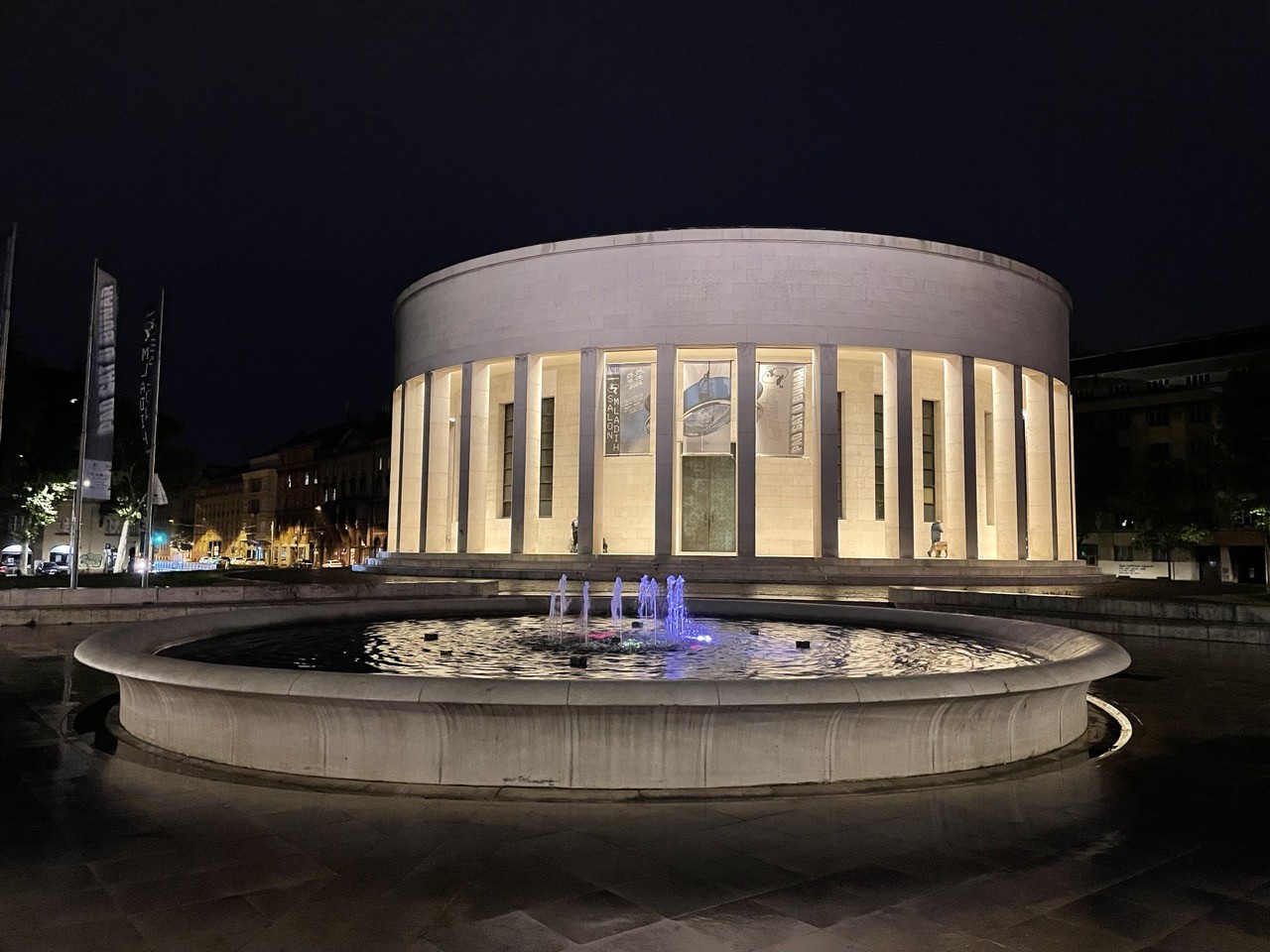
During the days of the JŽ, Zagreb Glavni kolodvar used to be the only designated “main station” in all of Yugoslavia - even Beograd Glavna was always just an informal name for the station called “Beograd”. Zagreb itself is also very pretty (when it’s not raining^^).
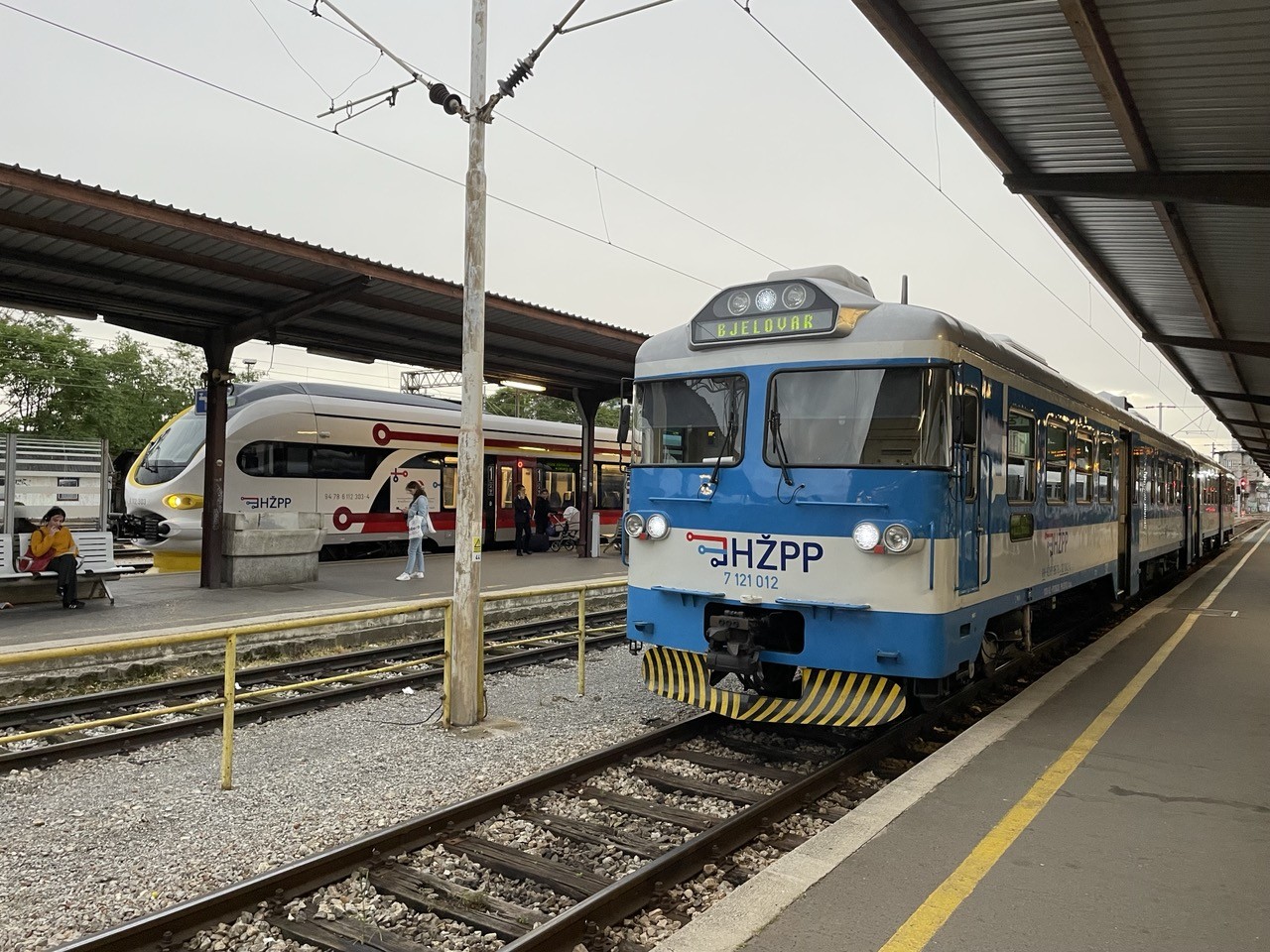
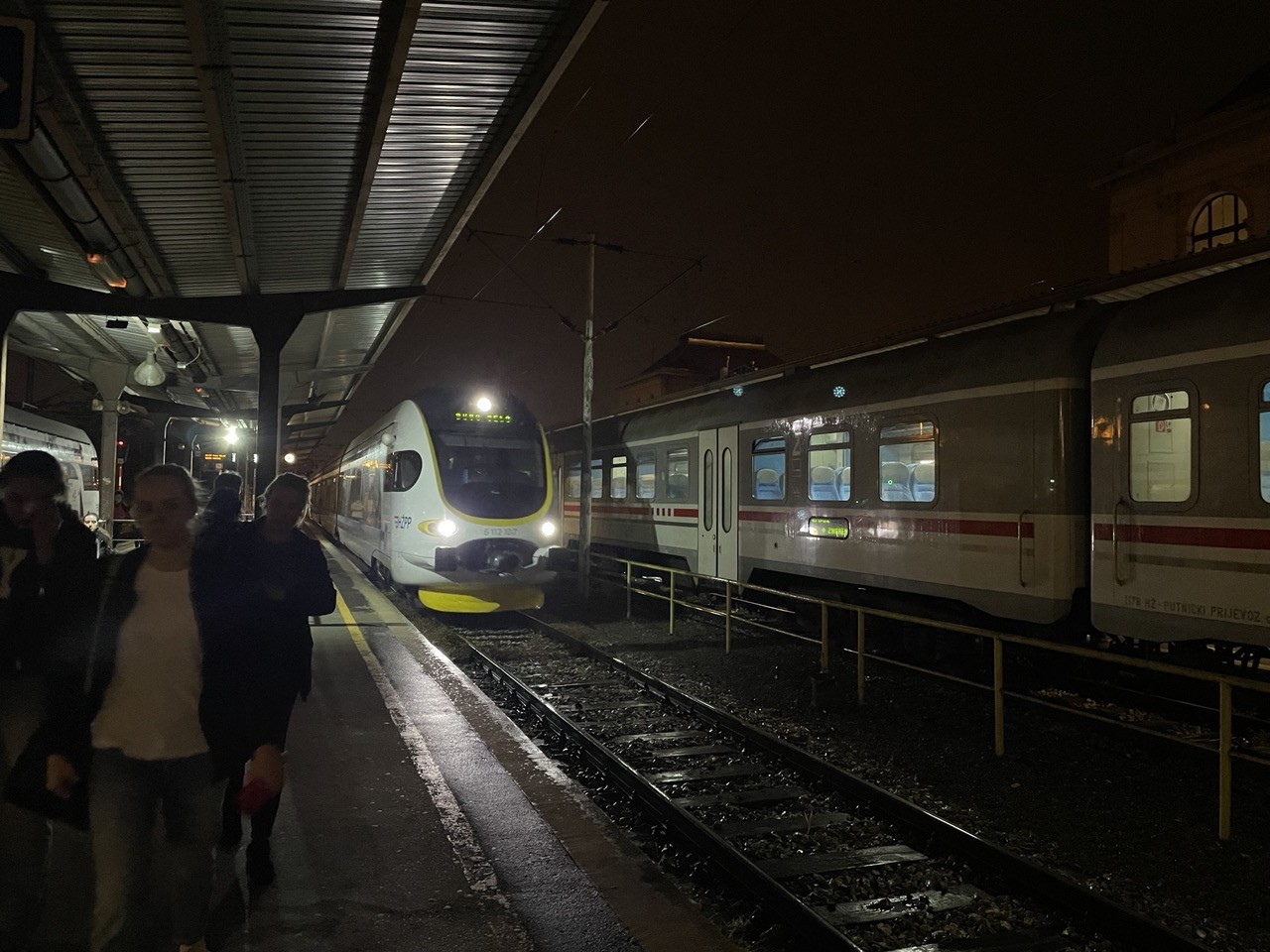
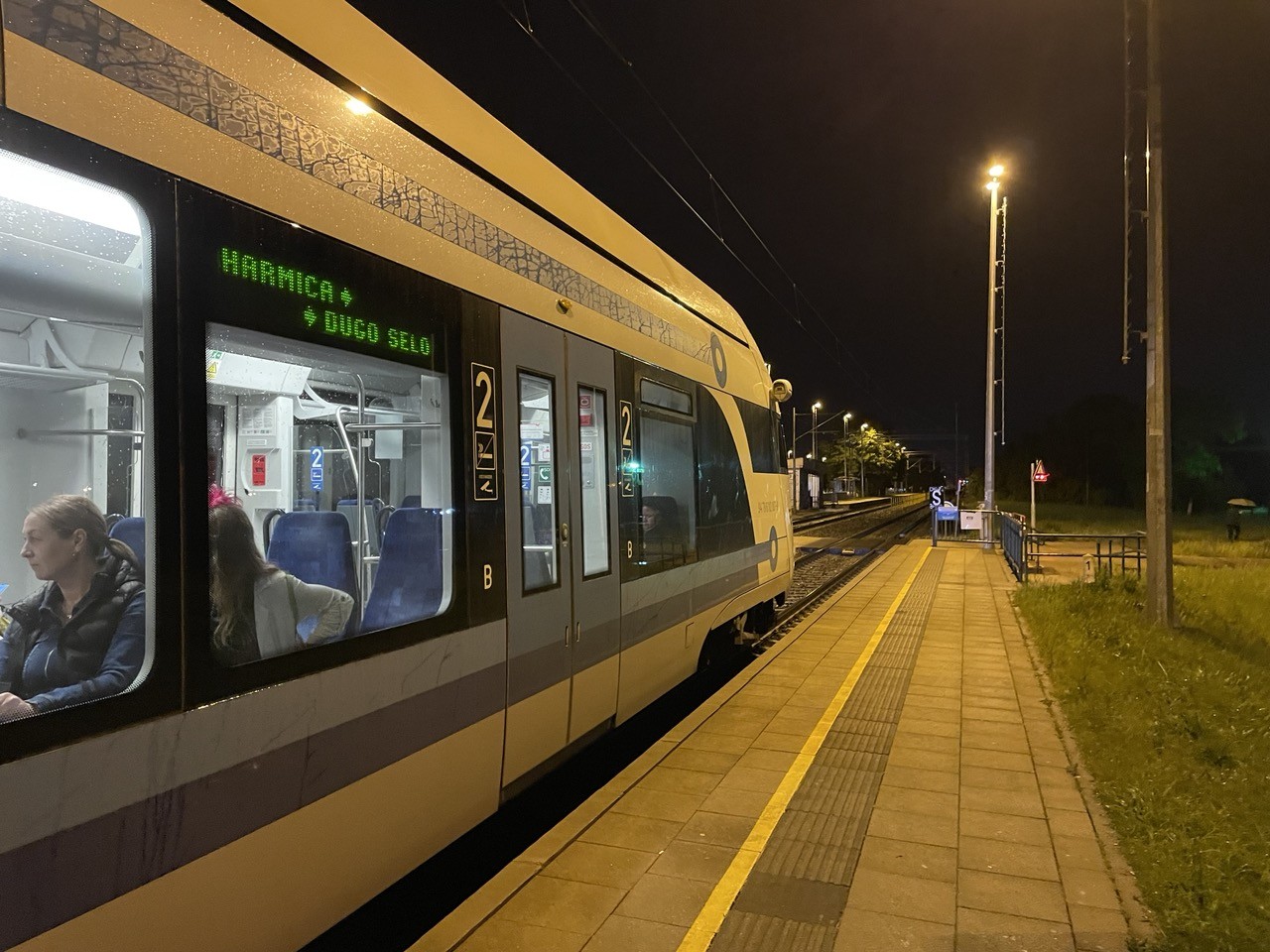
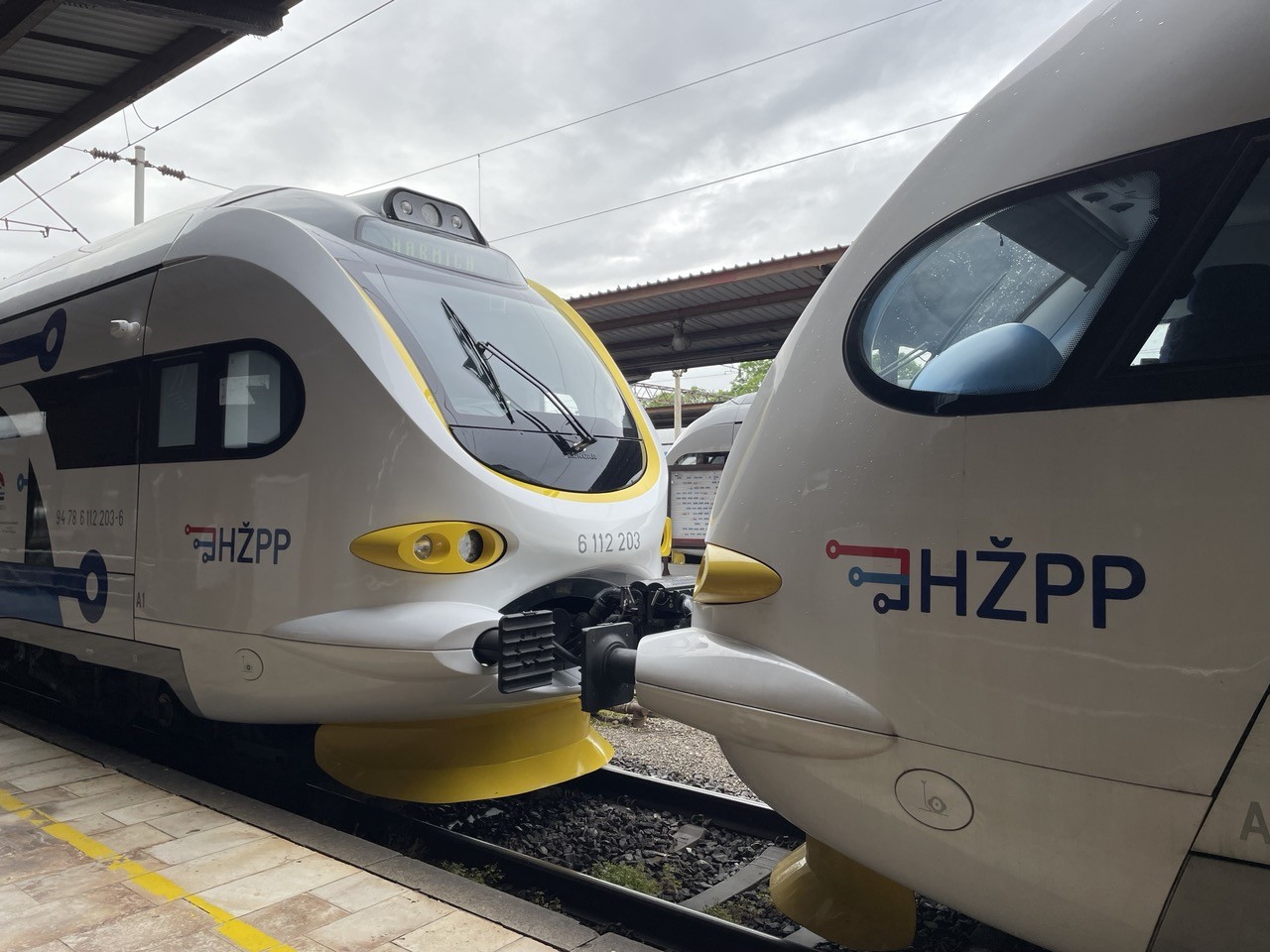
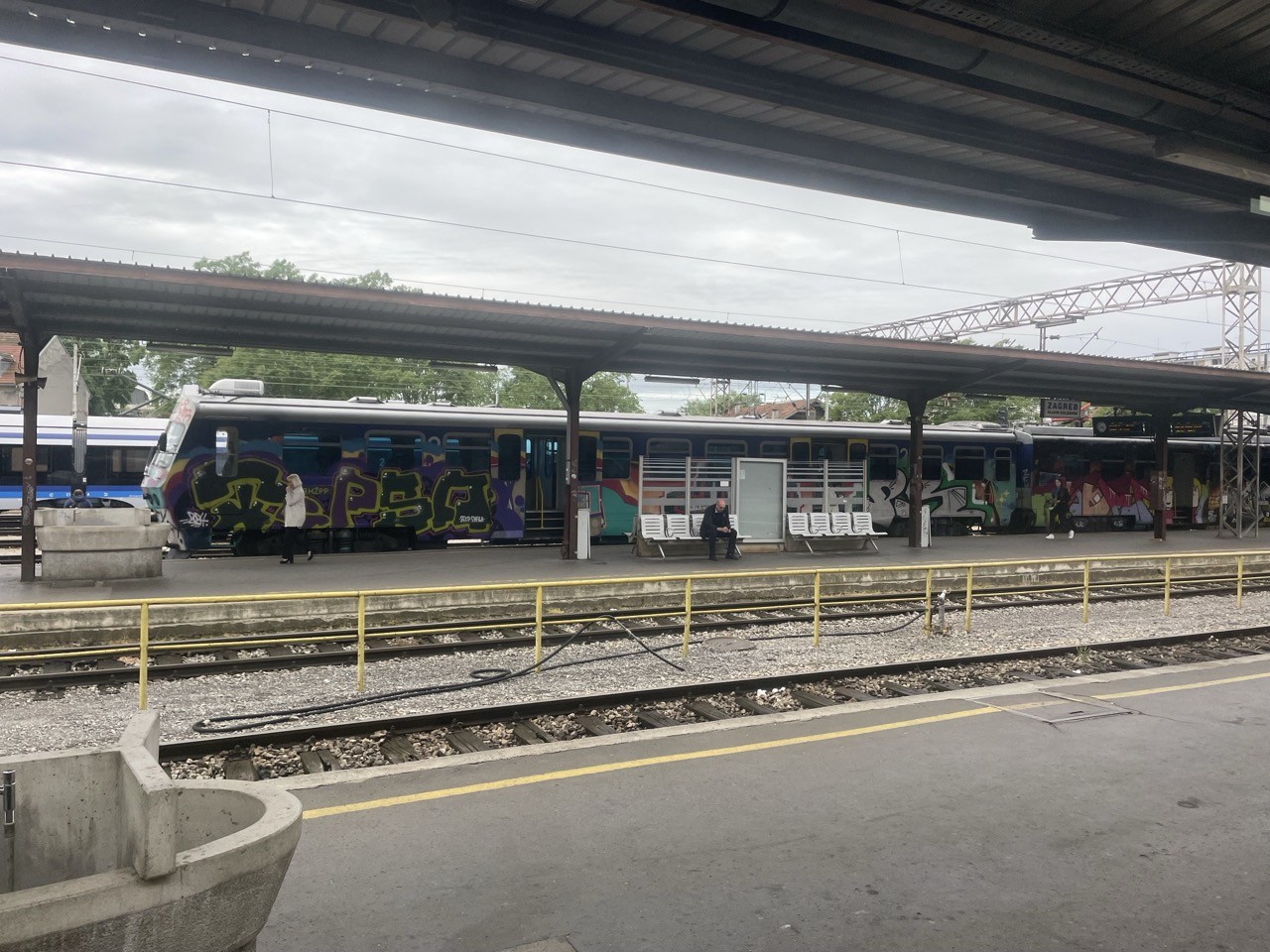
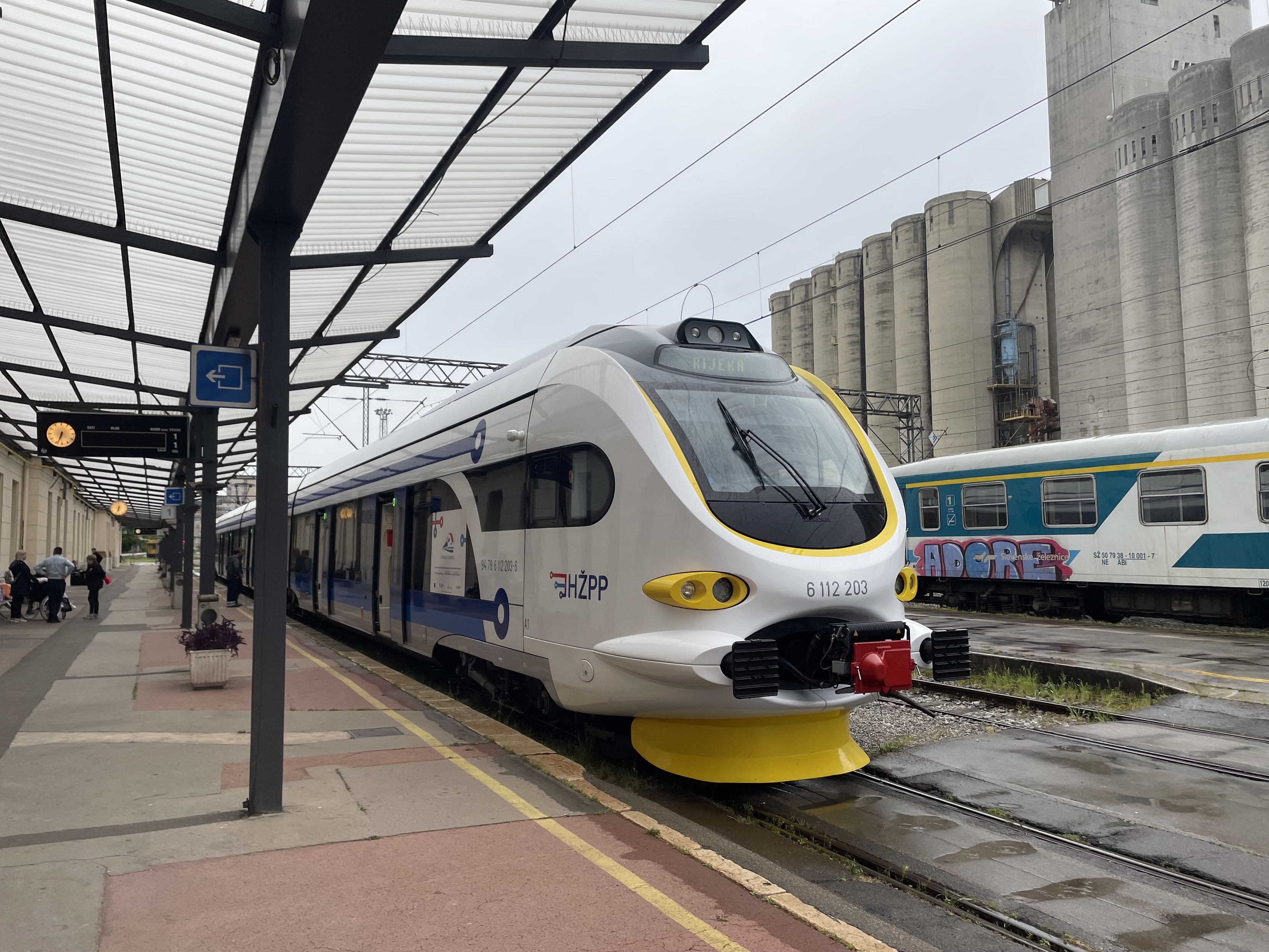
HŽ Putnički prievoz offers a quite frequent commuter service for Zagreb along the east-west axis from Harmica on the Slovenian border to Dugo Selo. It’s mostly served by locally-produced Končar low-floor EMUs, but there is the occasional old grafitti-covered Ganz EMU.
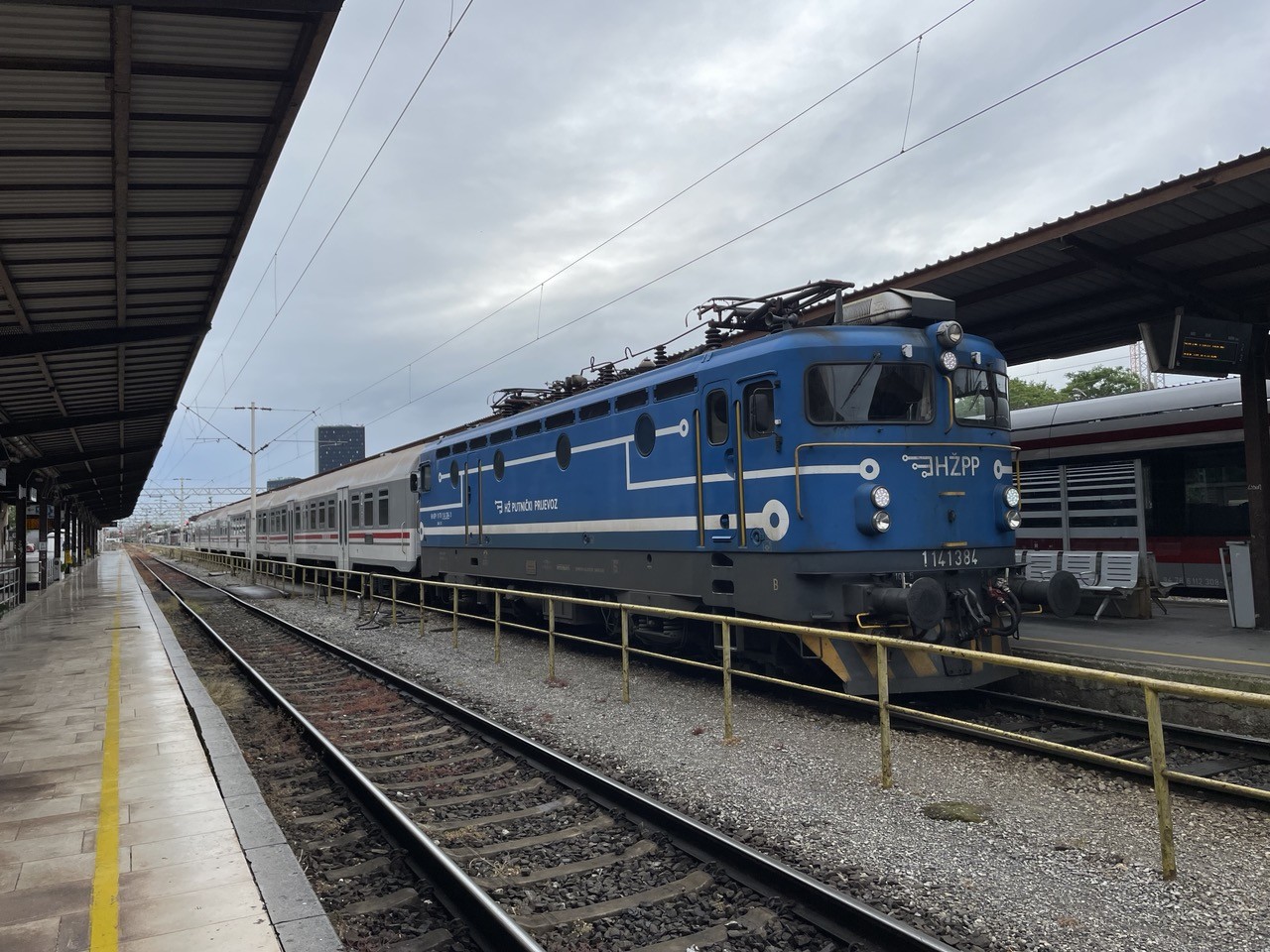
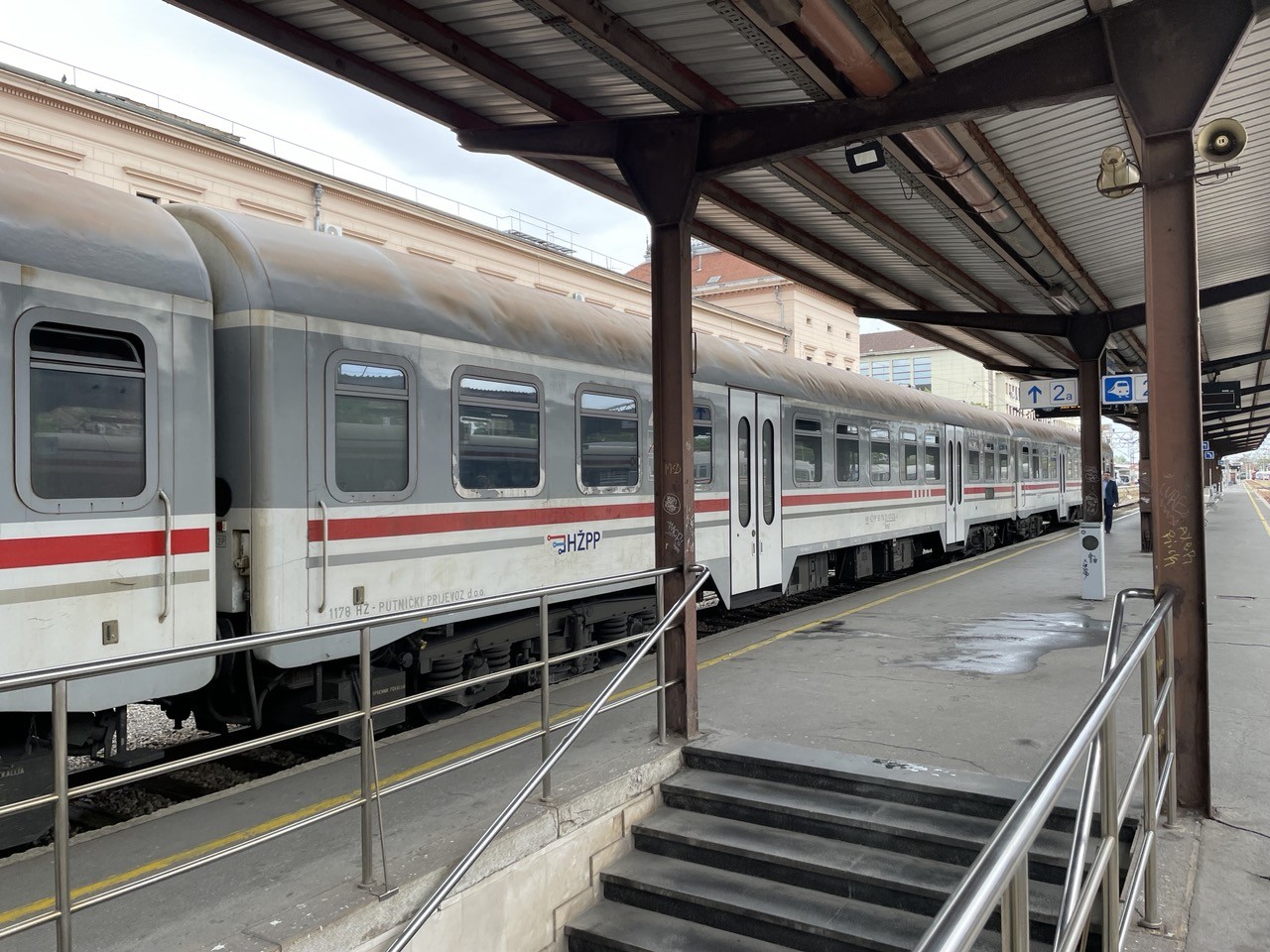
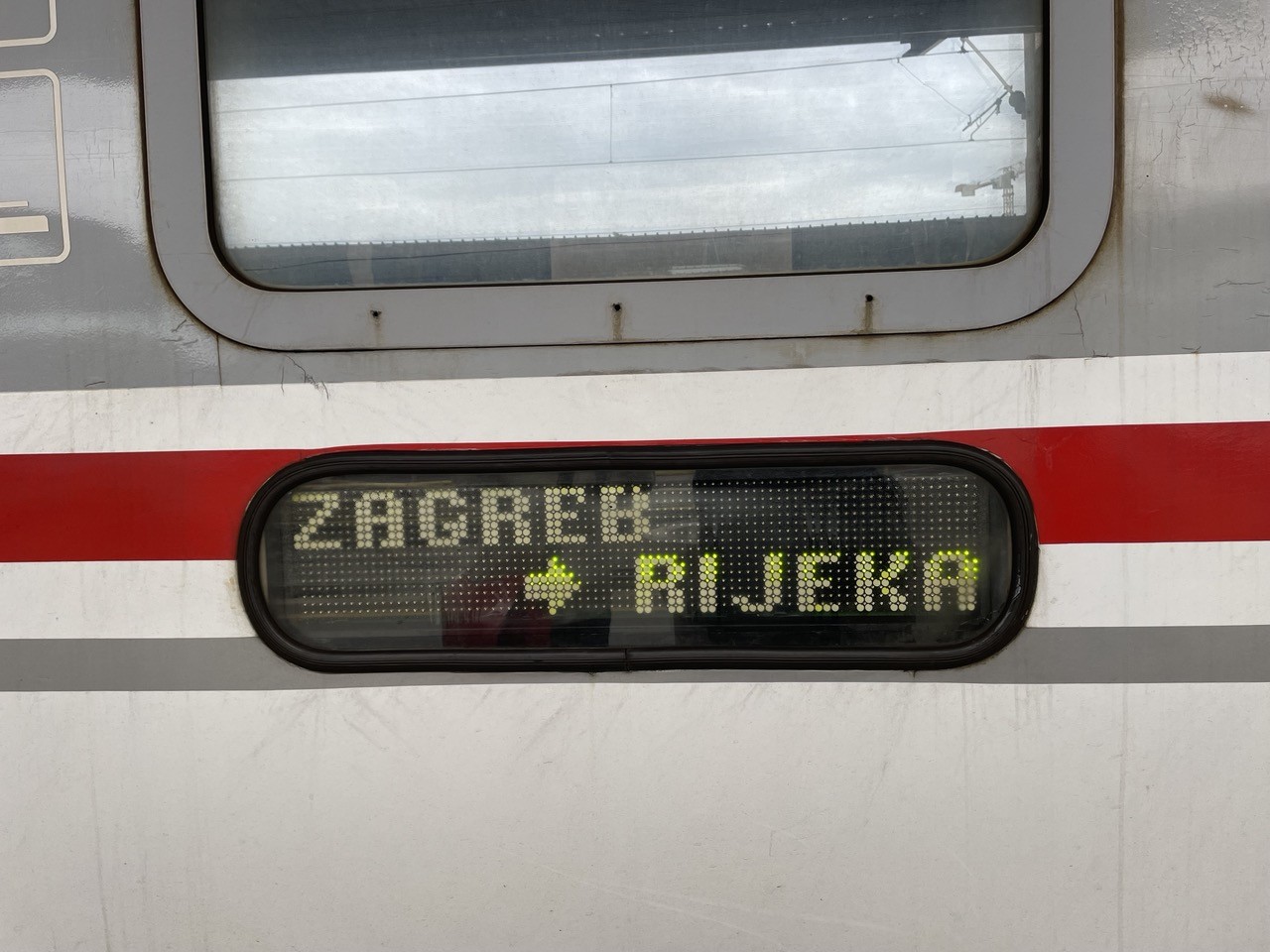
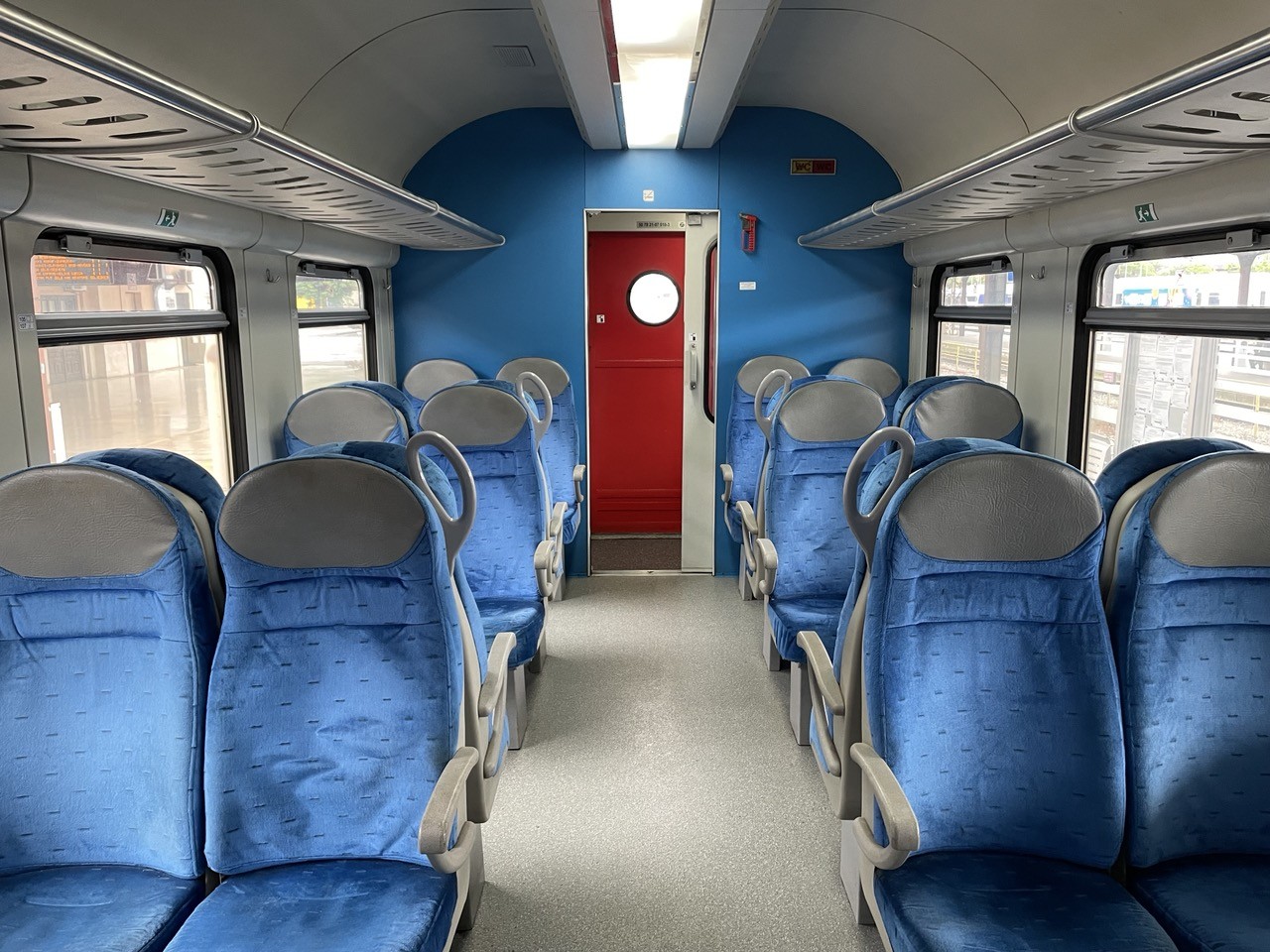
The Zagreb - Rijeka train is agonizingly slow, extremely uncomfortable, and offers remarkably boring views for most of the 4 1/2 hour journey. No wonder it’s mostly empty, except for some local traffic around Karlovac.
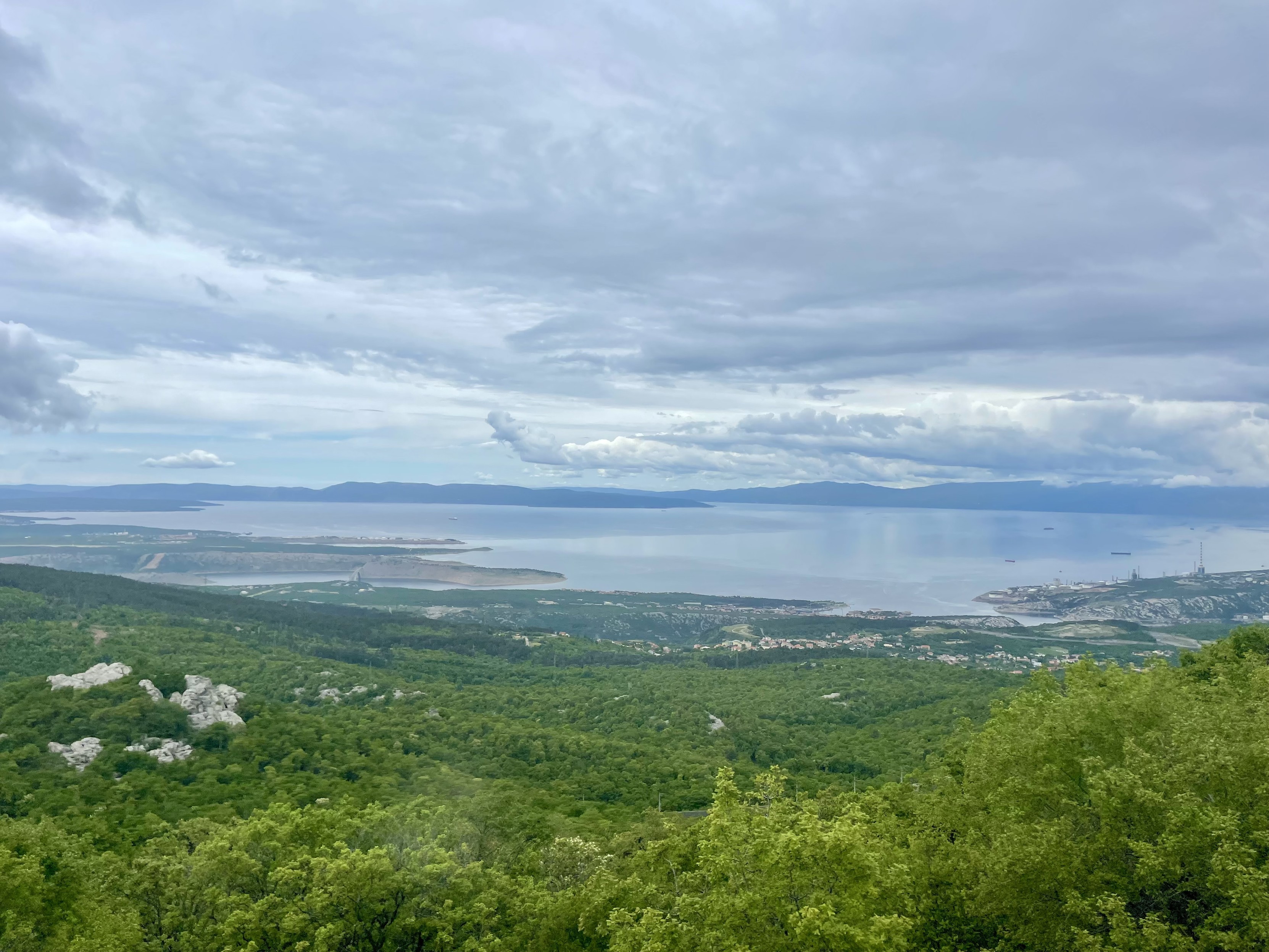
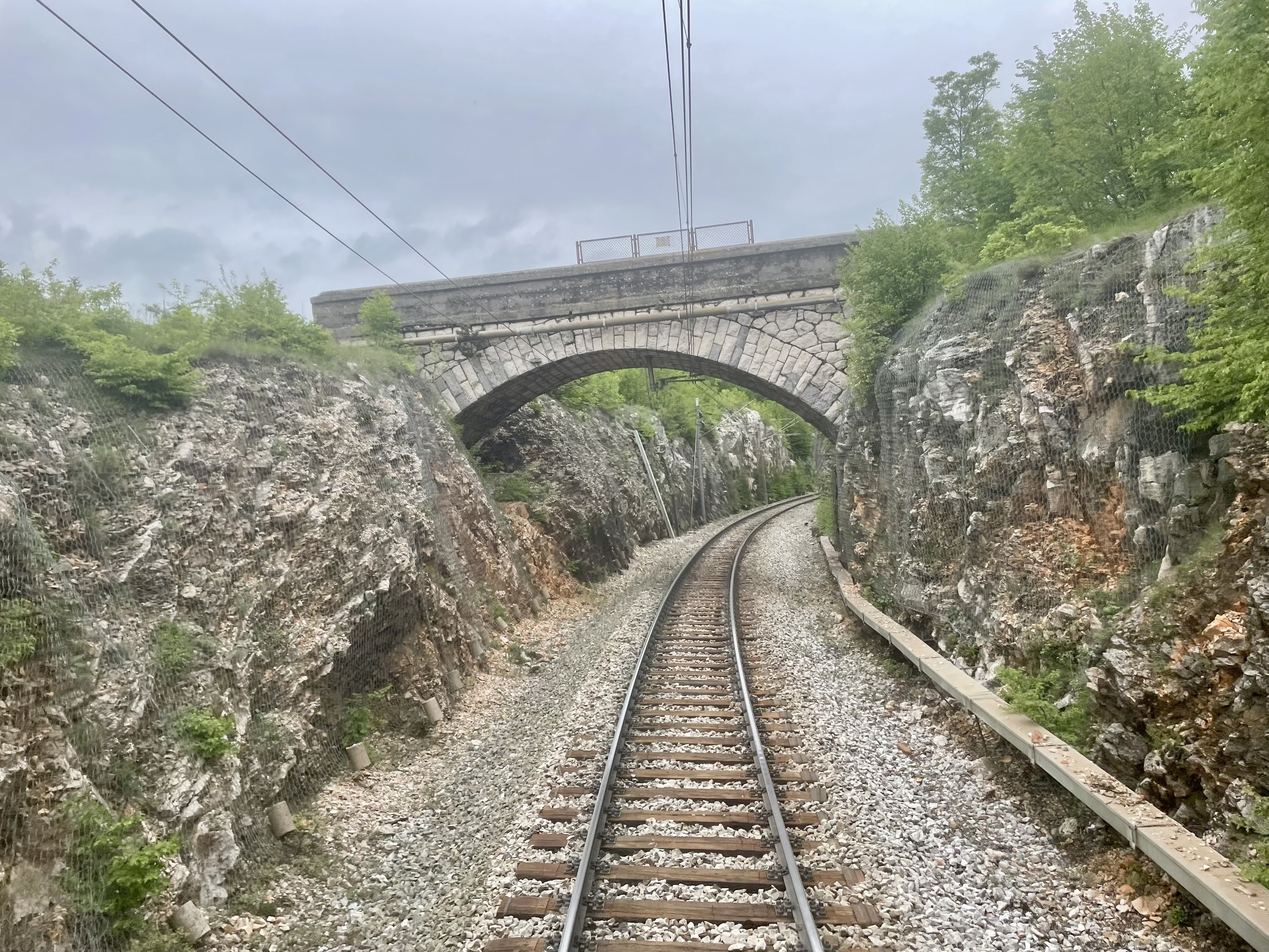
Our departure from Zagreb is slightly delayed, because some random diesel engine is attached to our train - probably just in order to transfer it efficiently to Ogulin, where it's getting detached again. The steep descent down the Adriaric coast to Rijeka is quite spectacular though, with beautiful views of the island of Krk and the Kvaner Gulf.
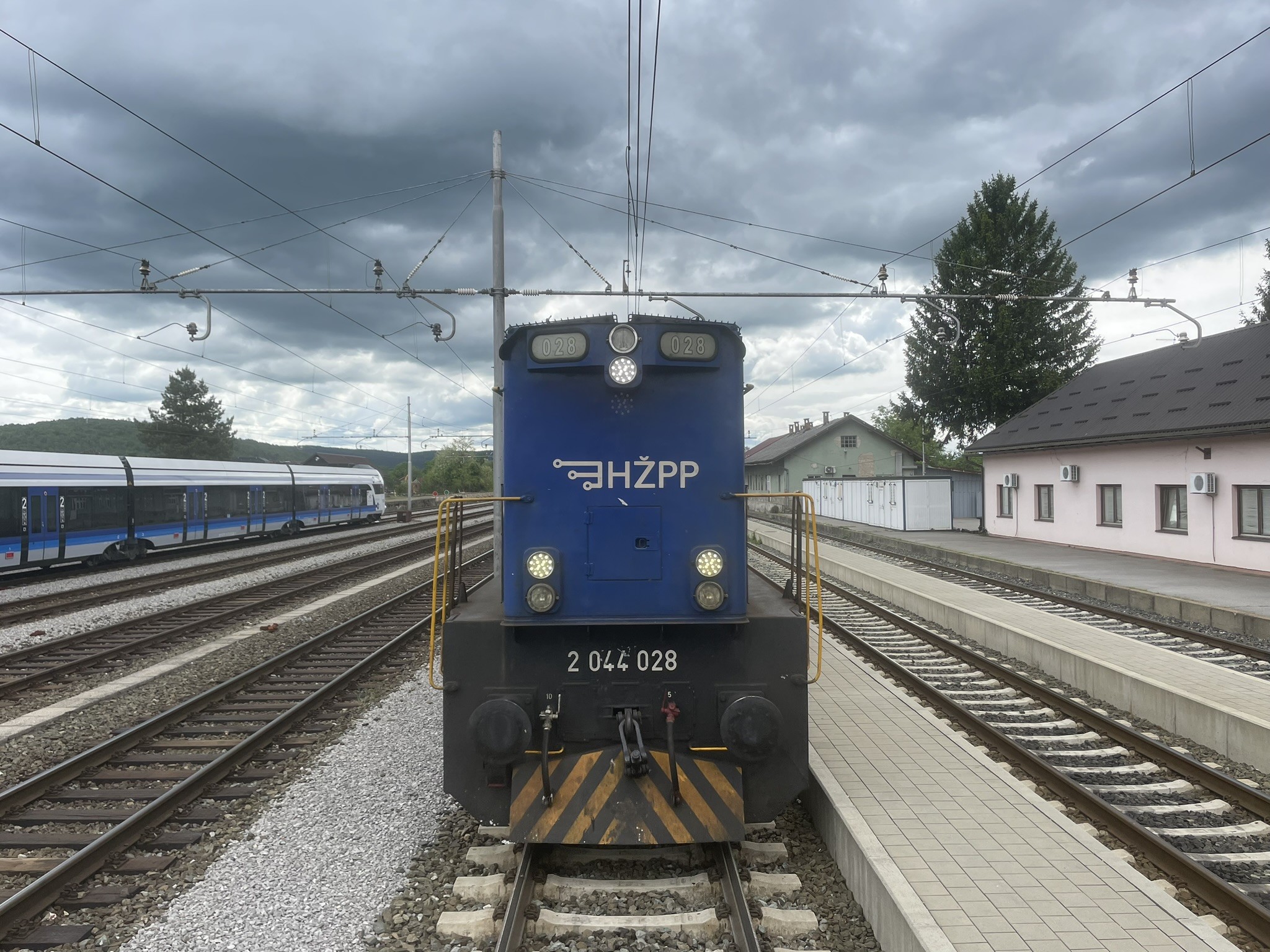
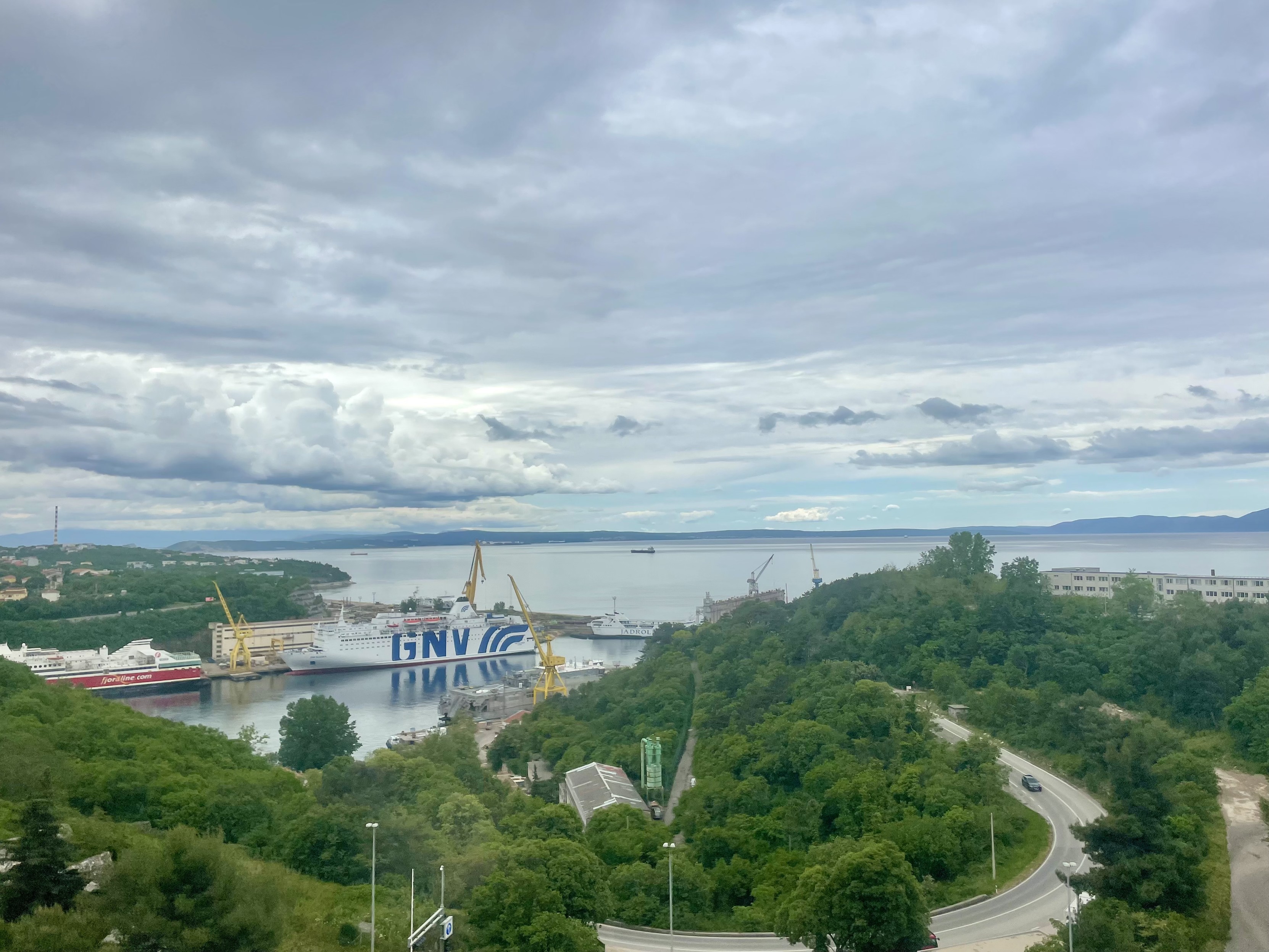
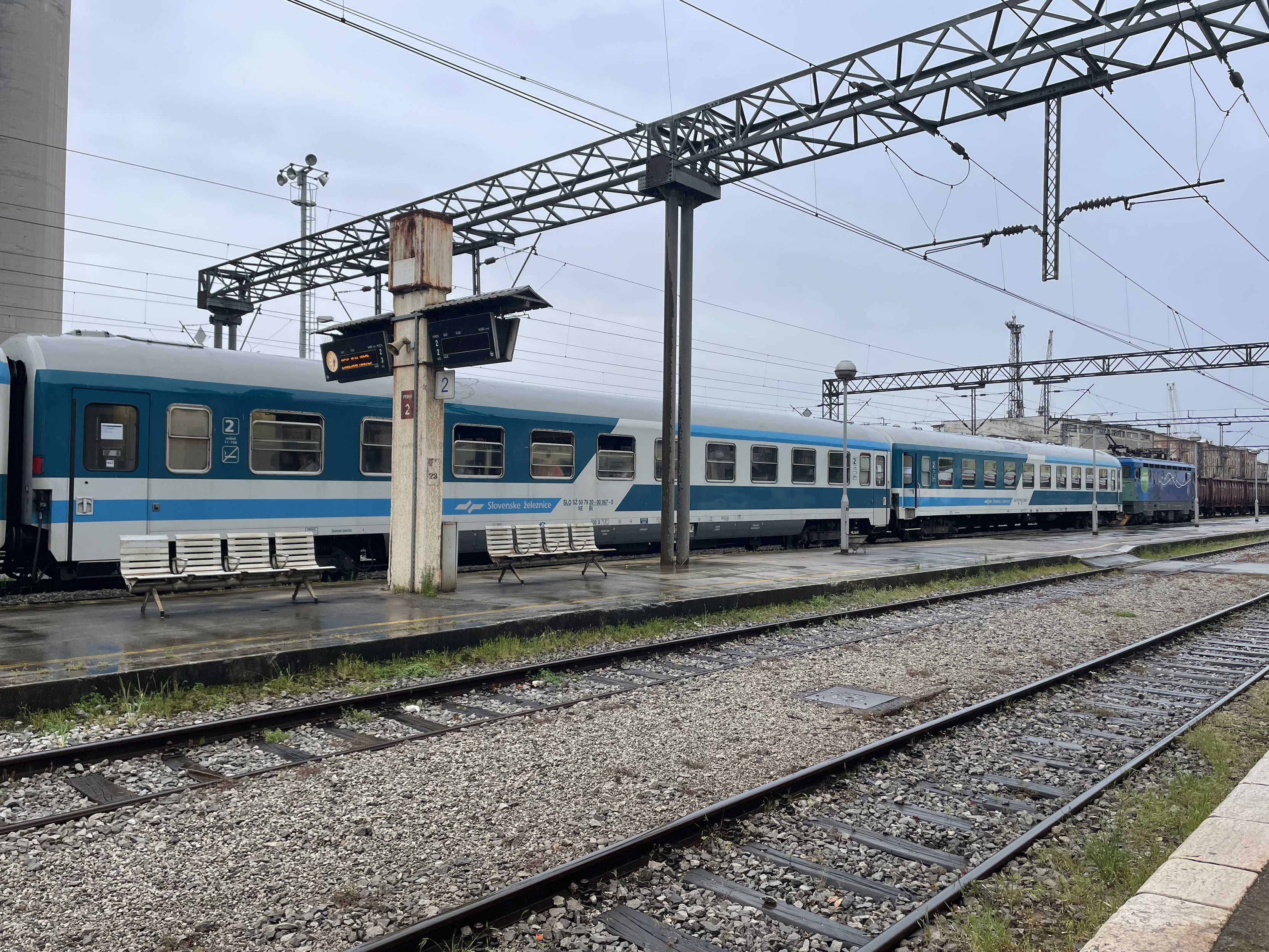
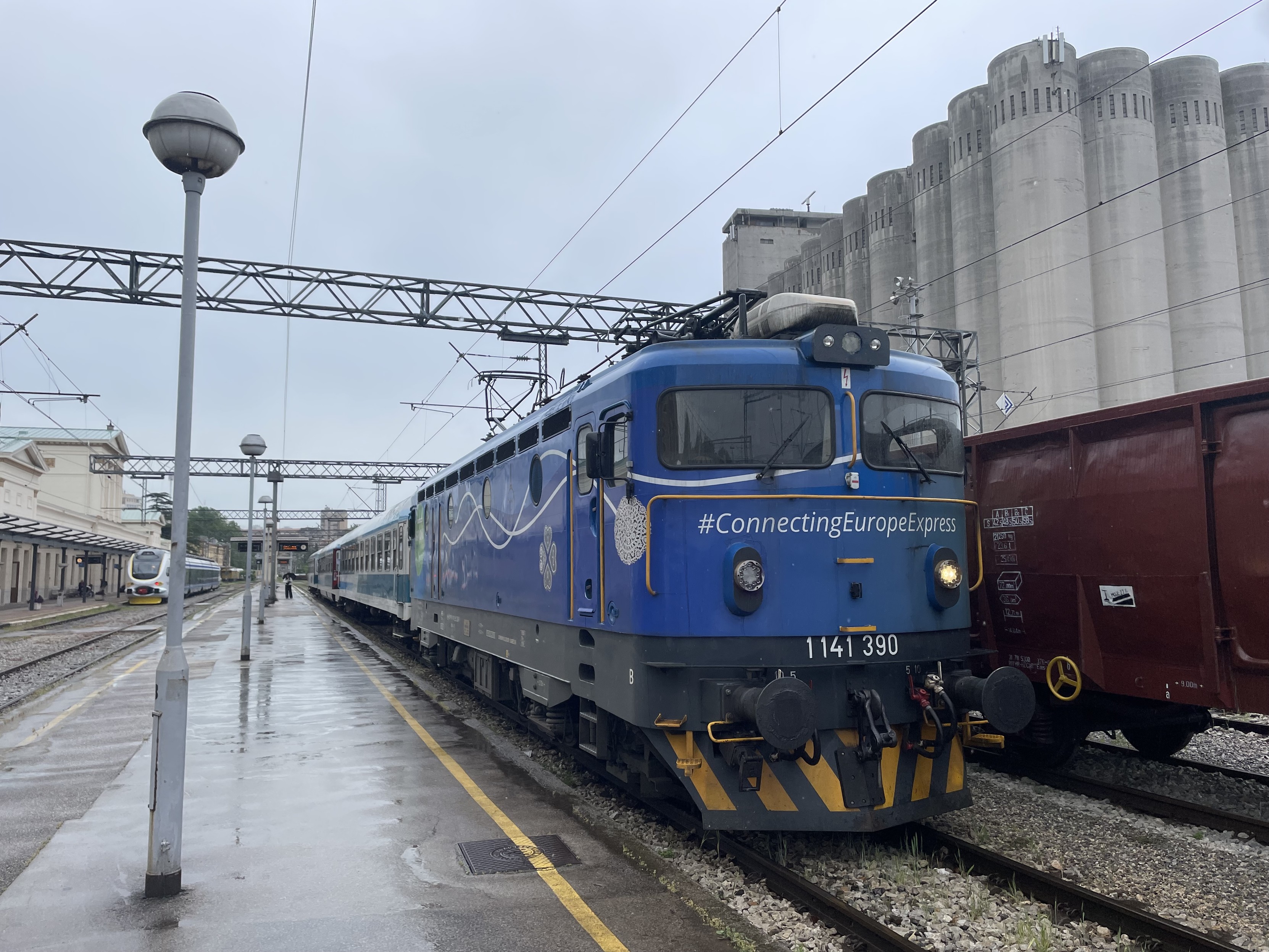
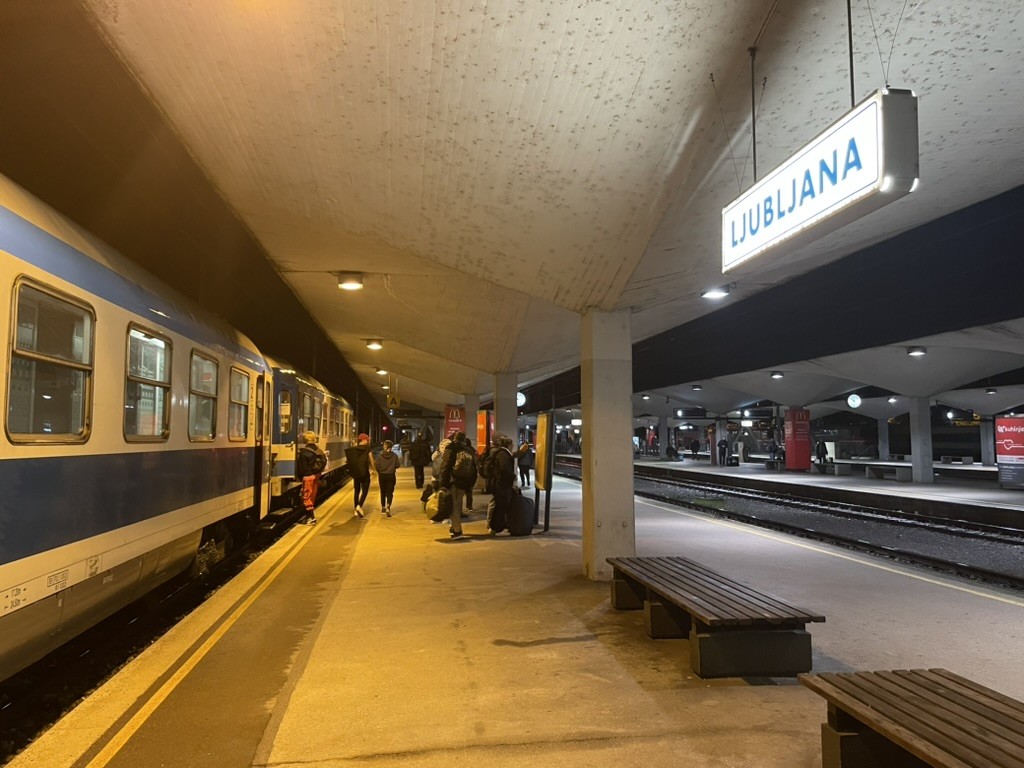
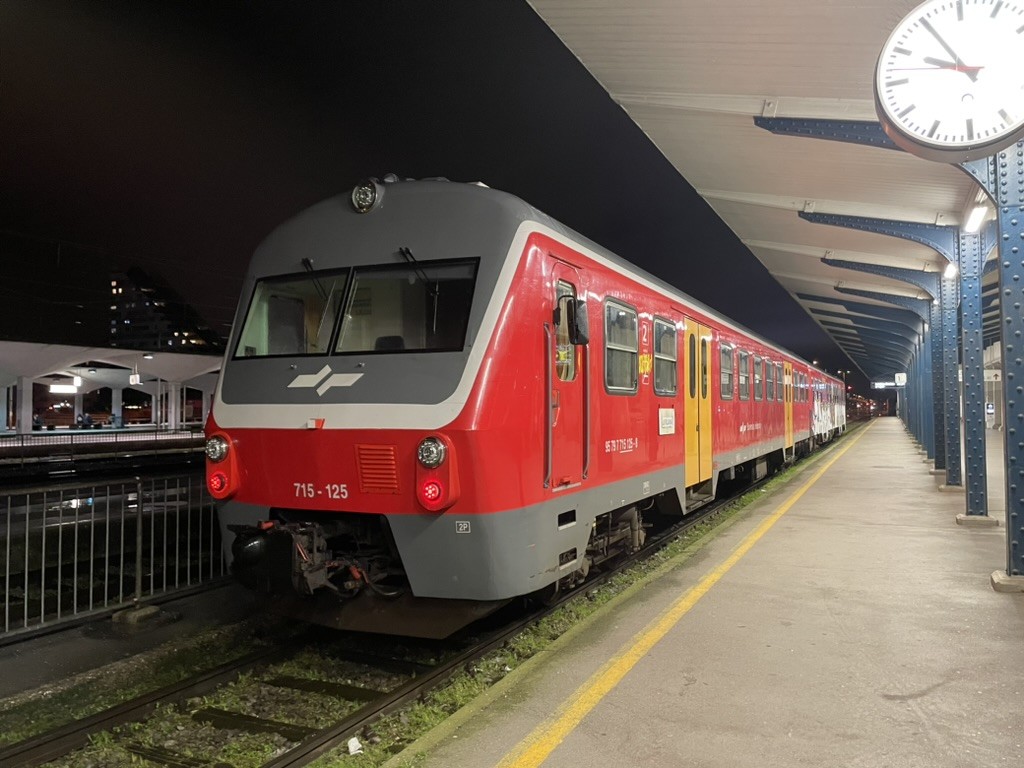
Rijeka is a pretty seaside town with a terrible lack of cozy cafés^^ But I'll focus on the trains here. We're leaving on the evening train to Ljubljana on classic SŽ stock hauled by a HŽPP locomotive up to Šapjane.
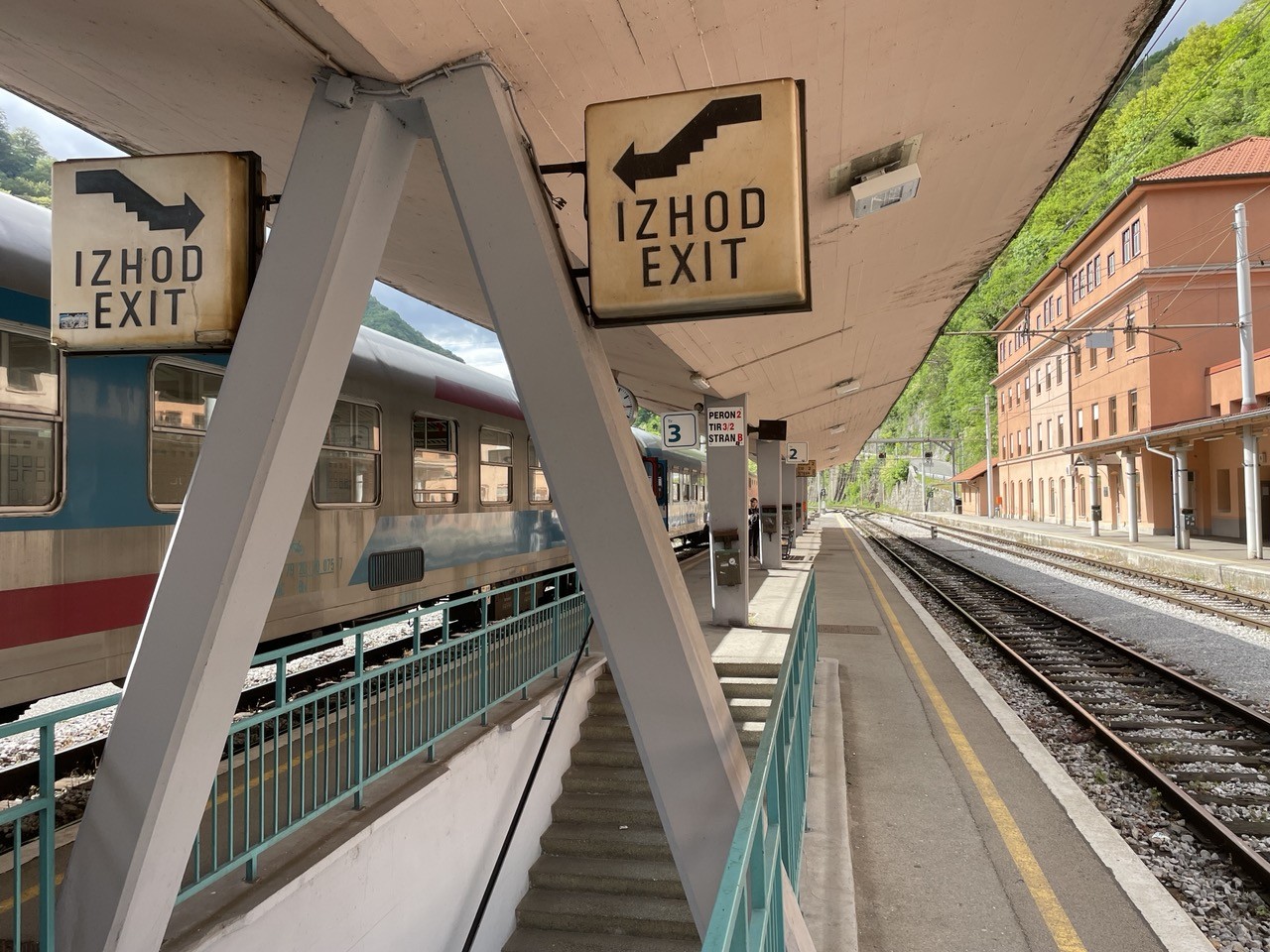
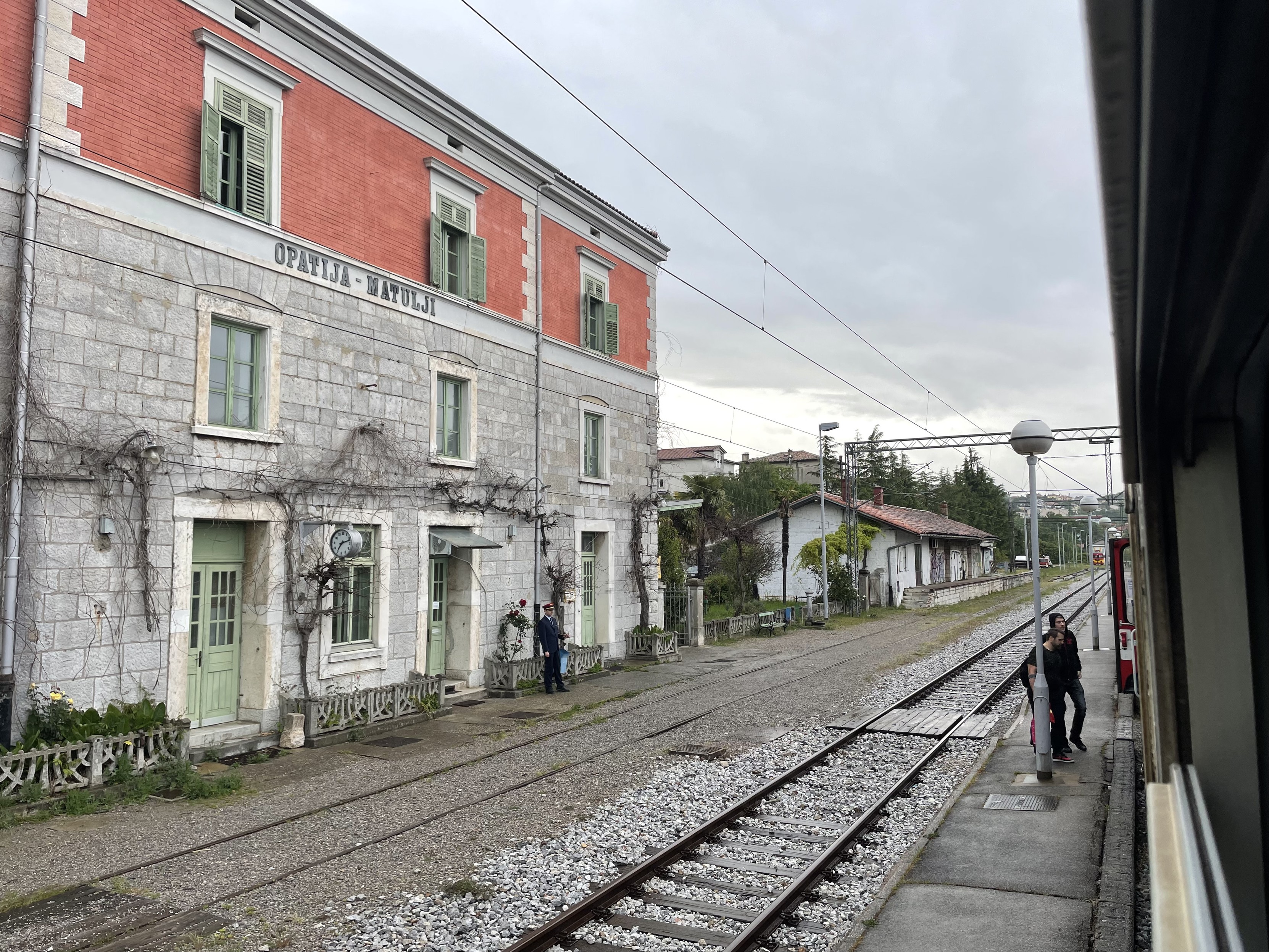
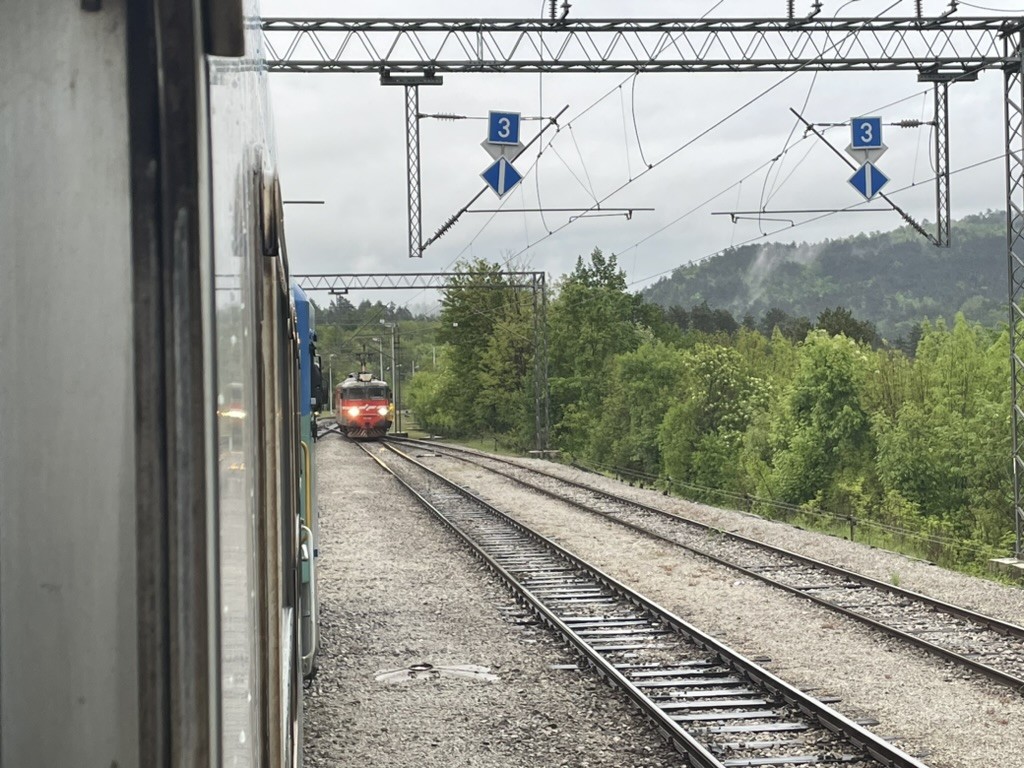
Originally, the Šapjane - Rijeka - Zagreb line was electrified with the Italian 3 kV DC system, but when Yugoslavia decided to electrify more of their network, they opted for 25 kV AC. The line near Zagreb was switched to the 25kV system in the 80s, and since 2012, the system change takes place in the Croatian-Slovenian border station of Šapjane. Like many other stations with this function (including Hodoš and Spielfeld-Straß), half of the station is electrified with each of the different systems, with a short neutral stretch inbetween. That means a monocurrent locomotive lowers its pantograph entering the station, rolls into the other half, stops. A second locomotive is attached to the first one, which is removed from the train, shunted onto a different track, and then gently pushed to roll back on its own into the right part of the station. The second locomotive then returns to the train, is coupled, and pulls it out of the station.
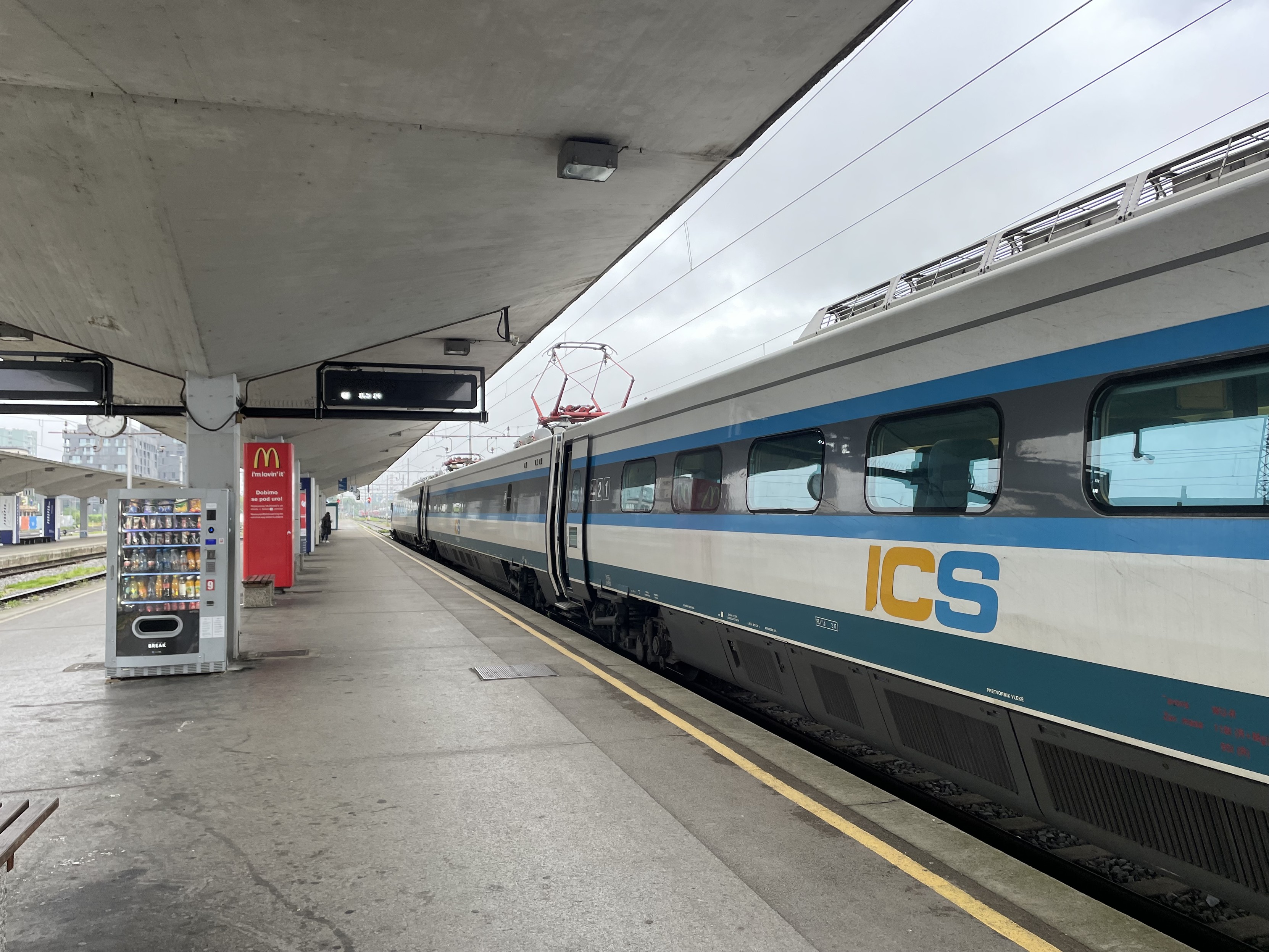
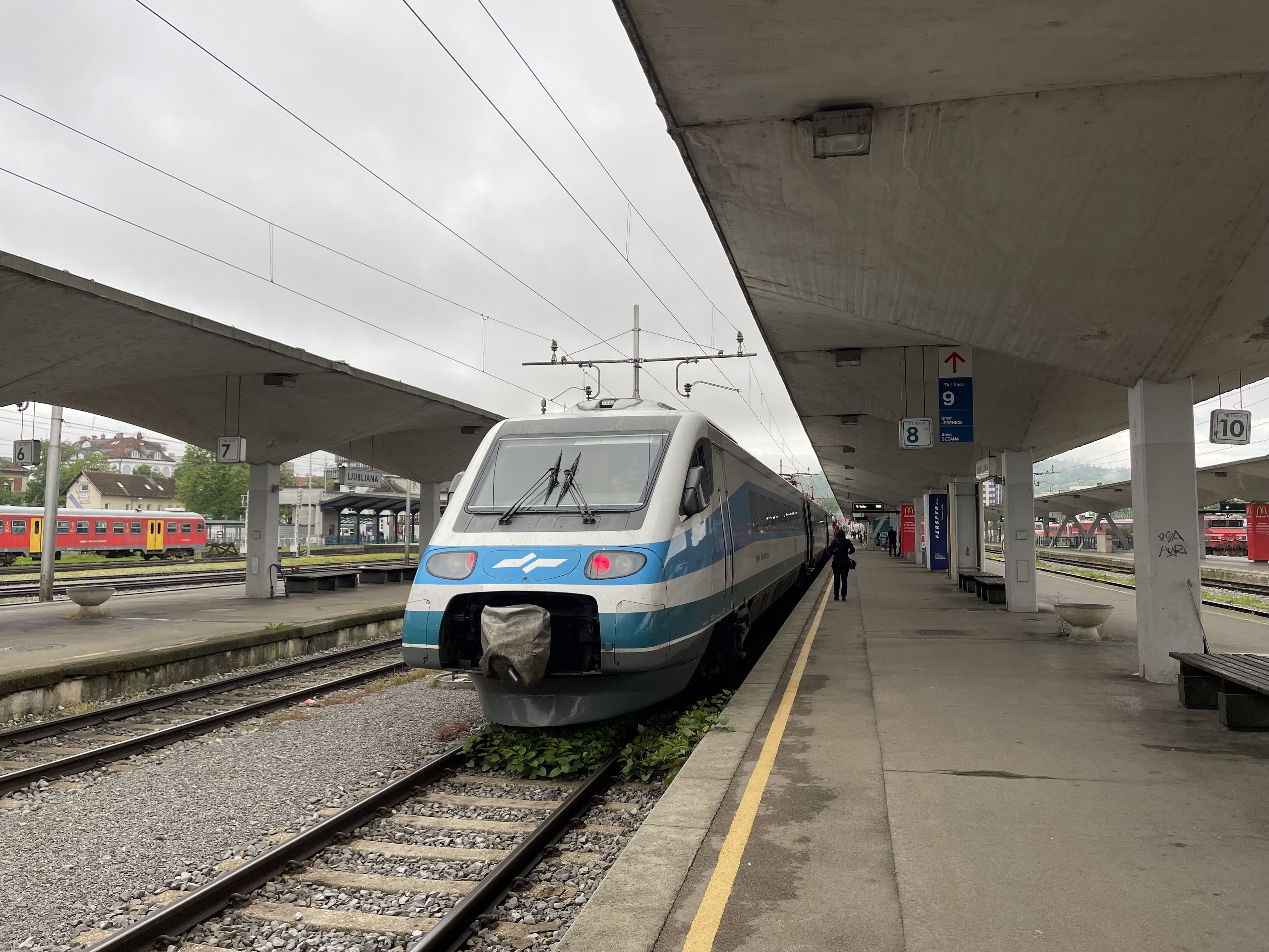
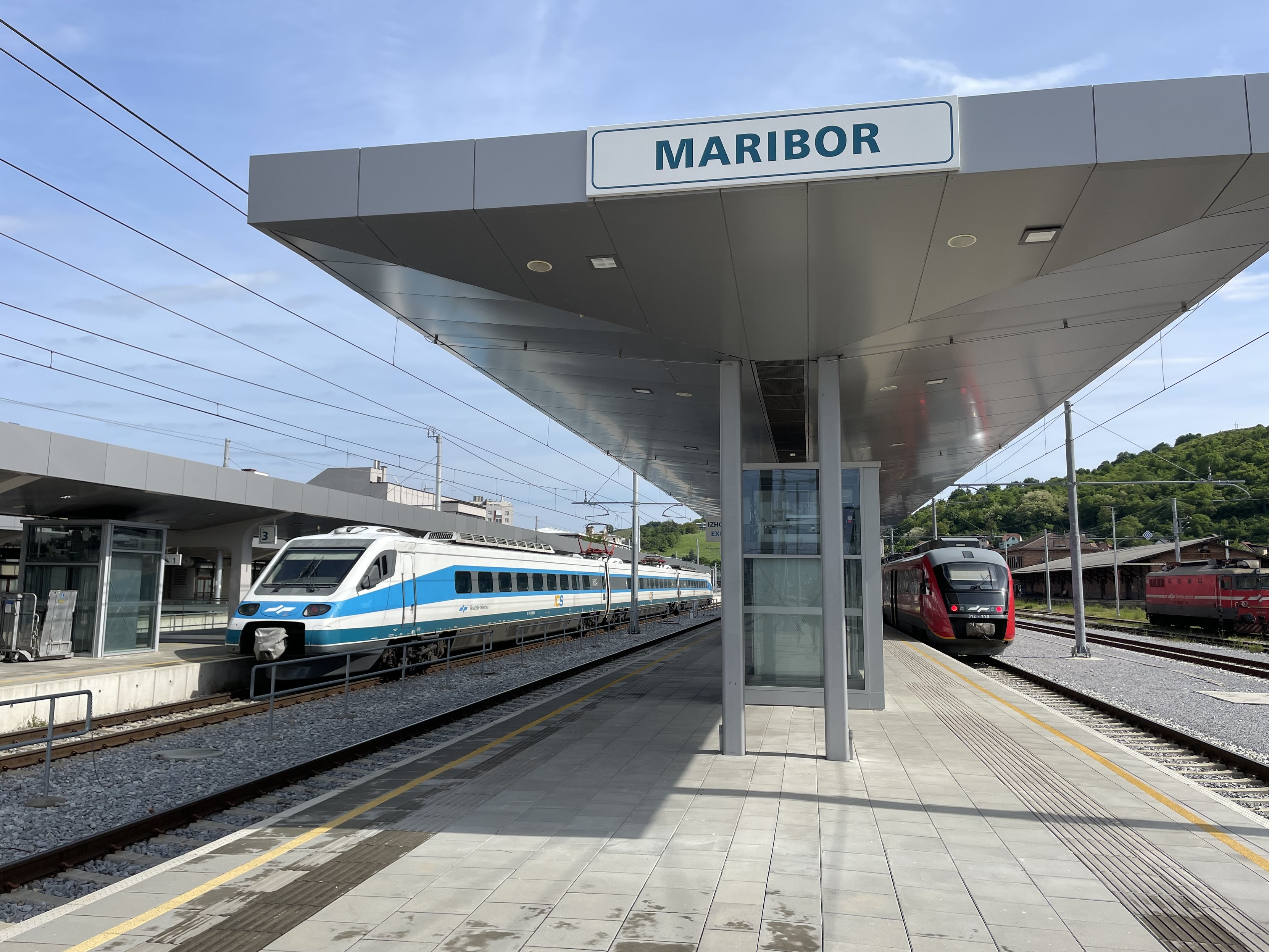
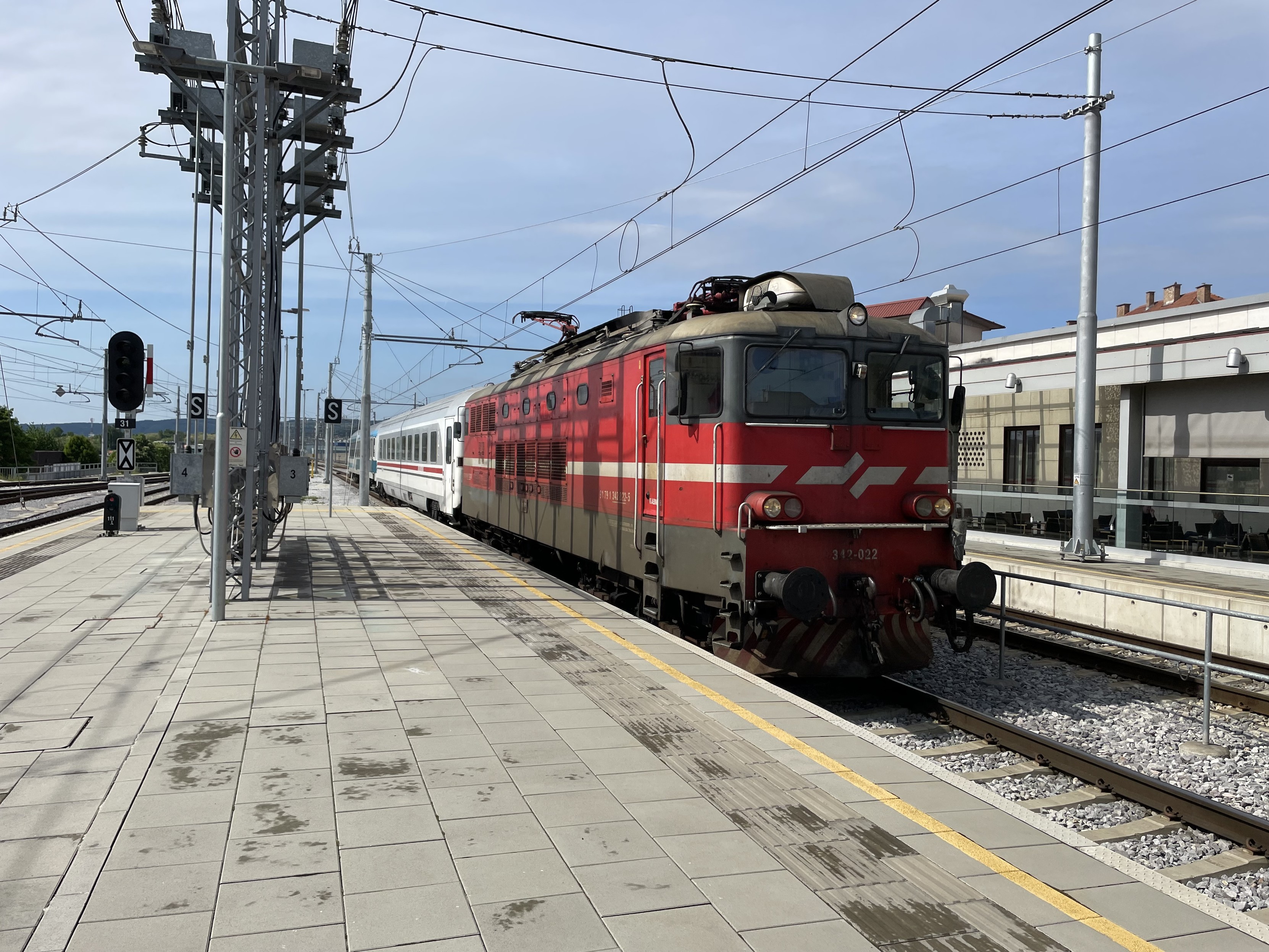
Slovenske železnice has its own little high-speed service: three Pendolino units, composed of three cars each, offer a InterCity Slovenija services between Maribor and Ljubljana, making the most out of the winding line in narrow valleys through their tilting capability. In Maribor, we change to a Zagreb - Graz service composed only of a single Slovenian and Croatian car each.
 1